What if the cheapest dinner advice from five years ago no longer works at the grocery store?
For a lot of households, that is exactly the problem. Between 2019 and March 2025, eggs rose by 303 percent, rice by 37 percent, and chicken breast by 36 percent. Rising food costs have a sneaky way of wrecking old routines. A cart that used to cover a week of easy dinners can now feel like a budget trap with fluorescent lighting.
So the goal here is not to survive on plain pasta and repeat the same two cheap meals until everyone at the table starts protesting. It is to build budget friendly meal ideas that still feel like real dinners. The strategy is not to add more, but to select components that offer multiple uses.
That is where protein-stretching earns its keep. A whole chicken can become several distinct meals. Tofu can step in for part or all of the ground meat in dishes where seasoning does the heavy lifting. Legumes can carry a meal instead of sitting on the side like an afterthought. Less expensive cuts of meat, tortillas, grain bowls, upgraded instant noodles, and stir-fries built from odds and ends all give you more range for the money.
There is also a boredom problem. In one Reddit discussion about cheap recipes, cooks complained that about 80 percent of Pinterest results were pasta-based. No wonder budget cooking can start to feel like a loop.
This guide takes a different route. It focuses on non-pasta meals, practical swaps, and the why behind the savings, so you can spend less without eating like you have given up.
Table of Contents
1. Master the Art of the Whole Chicken
A whole chicken solves two problems at once. It stretches animal protein across several meals, and it helps prevent recipe fatigue because the same roast can turn into very different dinners over a few days.
One roast, several directions
Day one is simple. Roast the chicken and serve it with whatever low-cost sides are already around, such as roasted carrots, potatoes, or a quick salad. Day two can head cold and crunchy with chicken salad sandwiches, or warm and fast with tacos built from shredded meat, salsa, and lettuce.
Day three is where the value really shows up. The last bits of meat can go into enchiladas, pot pie filling, or a soup loaded with vegetables. One bird stops feeling like one dinner and starts acting more like a meal base.
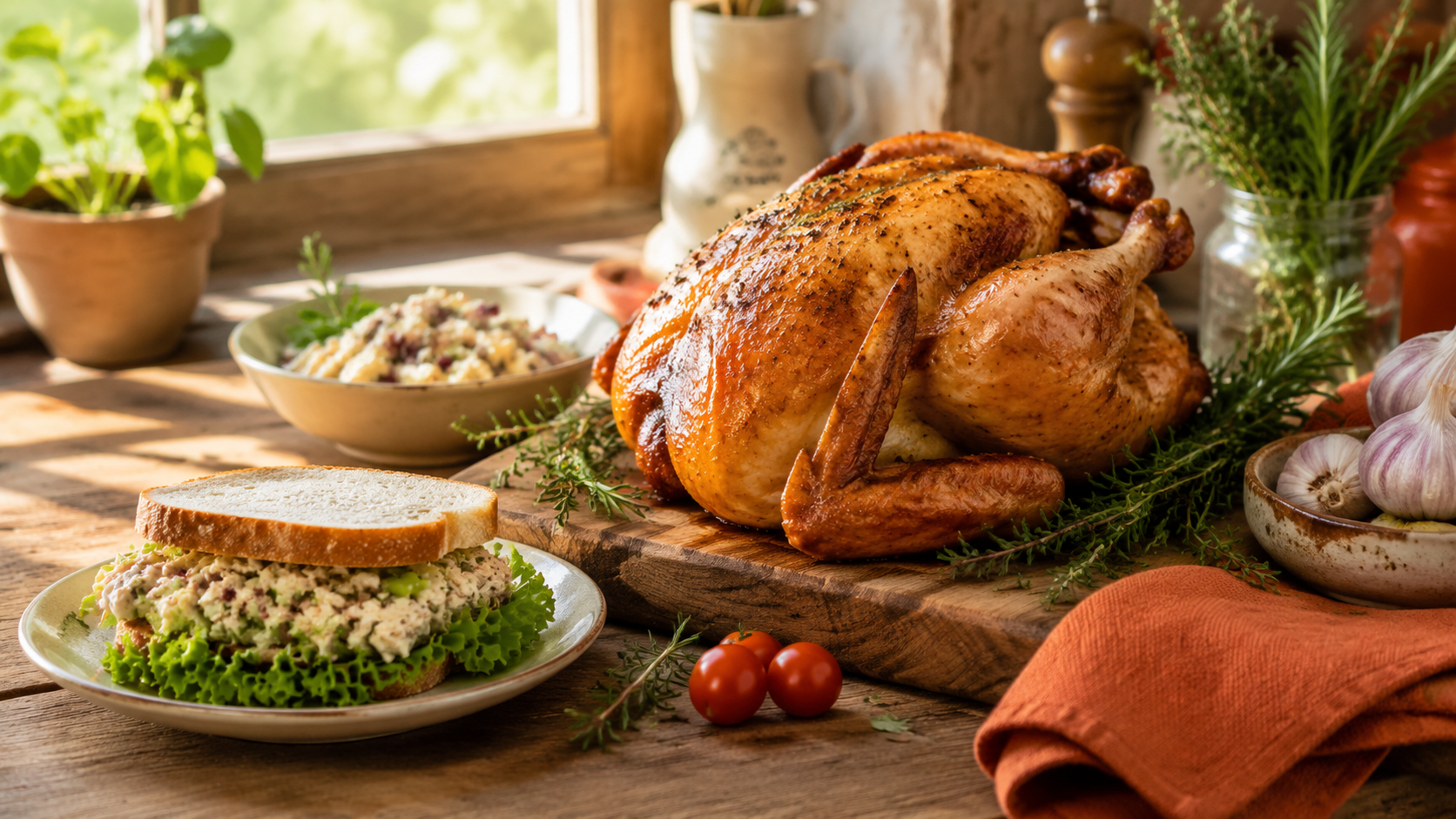
A whole chicken is one of the easiest ways to make dinner feel different across the week without buying a different protein every night.
Don't toss the carcass
The bones, skin, and scraps still have value. Simmering them into stock gives the kitchen a free head start on soup, rice, or pan sauces. When stock-making feels fuzzy, a quick guide to what chicken bouillon is helps clear up the difference between homemade stock and the shortcut versions many cooks keep in the pantry.
A few habits make this strategy work better:
-
First move: Pull leftover meat off the bones before storing it, so later meals are faster.
-
Next step: Freeze small portions instead of one big container, which makes lunch wraps and quesadillas easier.
-
Final save: Simmer the carcass soon, before it gets forgotten in the back of the fridge.
This is one of the most practical budget friendly meal ideas because it cuts waste and cuts boredom at the same time.
2. Make Legumes the Star of the Show
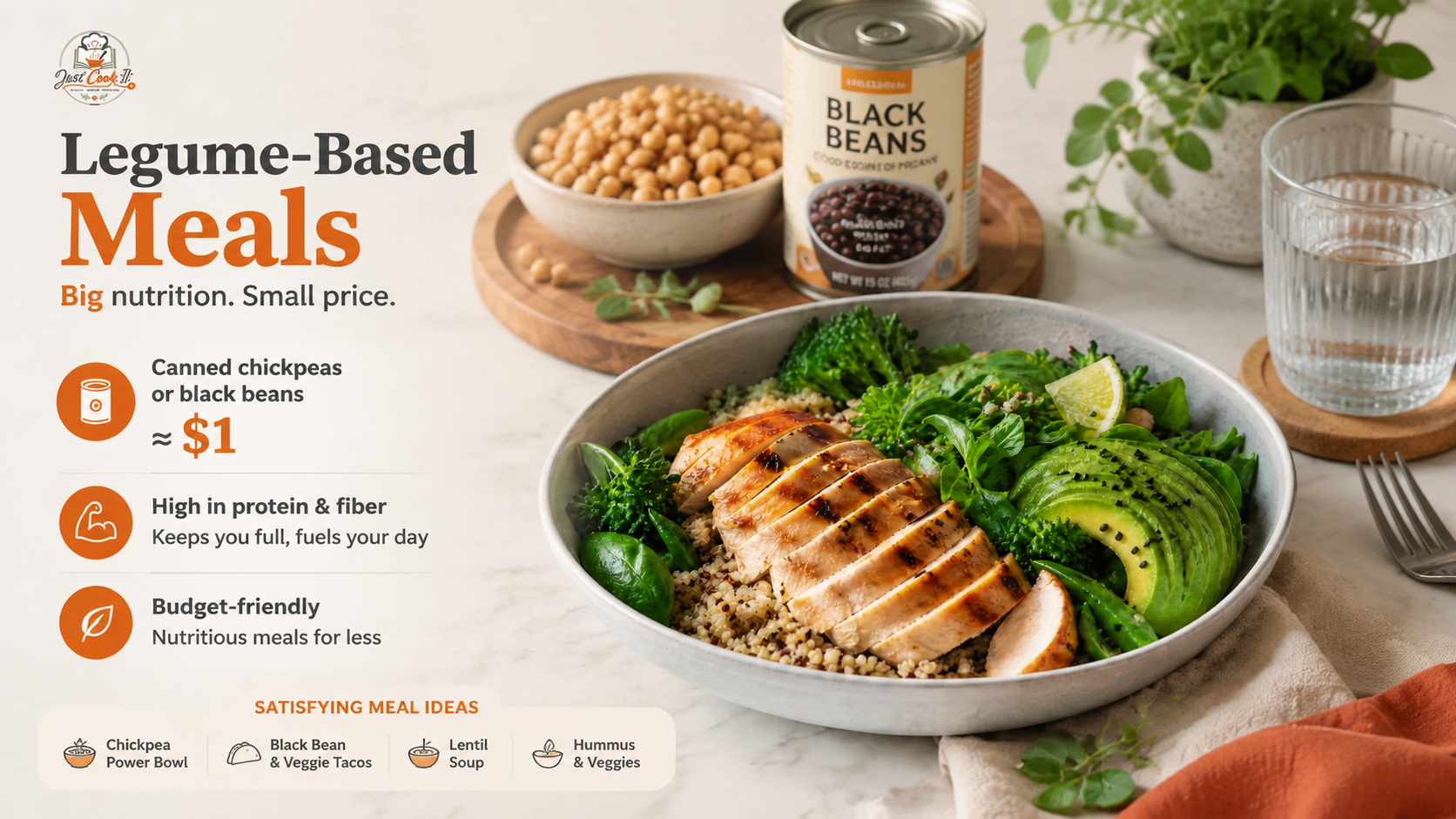
Does dinner always get expensive the moment you ask it to include enough protein? Legumes are one of the simplest ways around that problem. Beans, lentils, and chickpeas do the same job a good sweatshirt does in winter. They add warmth, bulk, and reliability without costing much.
The key is to stop treating them like filler. Treat them like the main event, then build flavor and texture around them. That shift matters because recipe fatigue is real. Nobody wants to feel stuck in an endless loop of plain beans and rice just because groceries got pricier.
Meals that actually feel like dinner
A good legume meal needs contrast. Creamy lentils want something bright, like lemon or vinegar. Soft black beans get more interesting with crunchy slaw, toasted tortillas, or roasted vegetables. Chickpeas love bold seasoning and a hot pan.
That is why a pot of lentil curry feels satisfying instead of skimpy. The coconut milk adds richness. Frozen spinach adds color and substance. A three-bean chili works the same way. It is thick, savory, freezer-friendly, and excellent at using up the half onion or lonely bell pepper sitting in the fridge.
For cooks who want more meat-free meals that still pull their weight, a set of high-protein dinner ideas fits this strategy well.
A few combinations worth repeating
-
Big-batch win: Three-bean chili with canned tomatoes, onion, and chili spices.
-
Comfort bowl: Coconut lentil curry with frozen spinach, served over rice.
-
Fast lunch or dinner: Mashed black beans tucked into quesadillas or piled onto baked sweet potatoes.
Bean strategy: Season legumes as confidently as you would meat. Salt, acid, garlic, onion, and spice blends are what make them taste complete.
If lentils still feel confusing, they occupy a middle ground between rice and ground meat. They cook quickly, soak up flavor well, and make a meal feel hearty without leaning on pasta. For more ways to turn pantry staples into something cozy, quick curry recipes for busy nights can help keep the rotation interesting.
3. Swap Ground Meat with Savory Tofu Crumbles
Does tofu sound like one of those foods that is either bland, confusing, or only for people with too much free time? Fair question. With grocery prices climbing, tofu is worth a second look because it can replace part or all of the priciest piece of dinner without making the plate feel skimpy.
The trick is to stop treating tofu like a stand-alone star and start using it like a budget tool. It is a versatile protein that readily absorbs flavors. On its own, it is quiet. In a hot pan with strong seasoning, it soaks up flavor and turns into something savory enough for tacos, rice bowls, lettuce wraps, and stuffed peppers. That matters if pasta fatigue has already set in and another bowl of beans and rice is not exactly thrilling.
How to make it taste good
Firm tofu is the easiest place to start. Press out the extra moisture, crumble it by hand, and cook it in a hot skillet until the edges look dry and a little browned. Then season it like you mean it. Soy sauce, garlic powder, onion powder, smoked paprika, chili powder, and a bit of oil give it the deep, salty flavor people usually want from ground meat.
Texture is where many cooks get tripped up. Tiny crumbles mimic taco meat. Larger crumbles feel better in baked dishes. If tofu has disappointed you before, this is usually why. It was too wet, under-seasoned, or both.
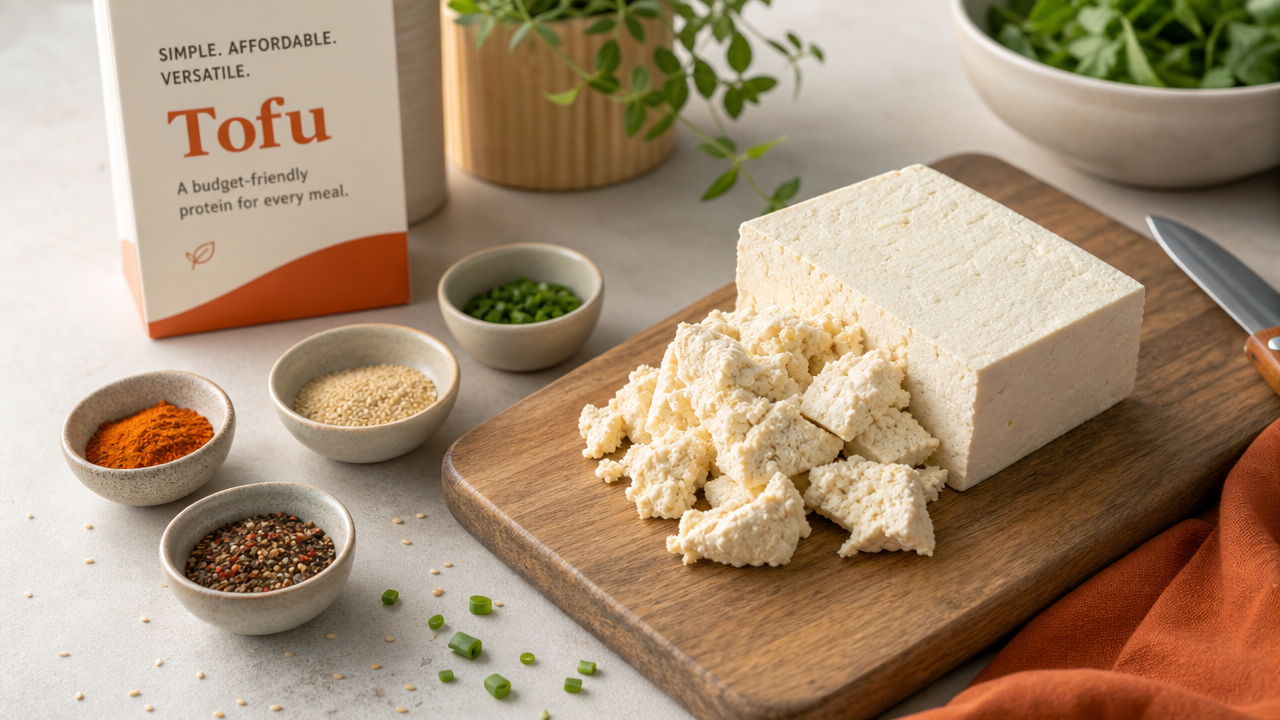
Where tofu crumbles shine
-
Taco night: Use seasoned tofu in taco salads, burrito bowls, or quesadillas.
-
Baked dinners: Fold it into stuffed bell peppers or a casserole.
-
Comfort food: Replace ground beef in shepherd's pie and top with mashed potatoes.
One smart middle-ground move is to stretch meat instead of replacing it completely. Use half ground turkey or beef and half tofu crumbles in chili, taco filling, or sloppy joes. The seasoning does the heavy lifting, and the grocery bill gets a little breathing room. That is the kind of swap that helps fight food inflation without making dinner feel like a compromise.
4. Lean on Inexpensive Meat Cuts
Sticker shock at the meat case is real. The trick is not giving up on meat entirely. It is buying cuts that cost less because they need a little time, then using them in ways that make that time pay off.
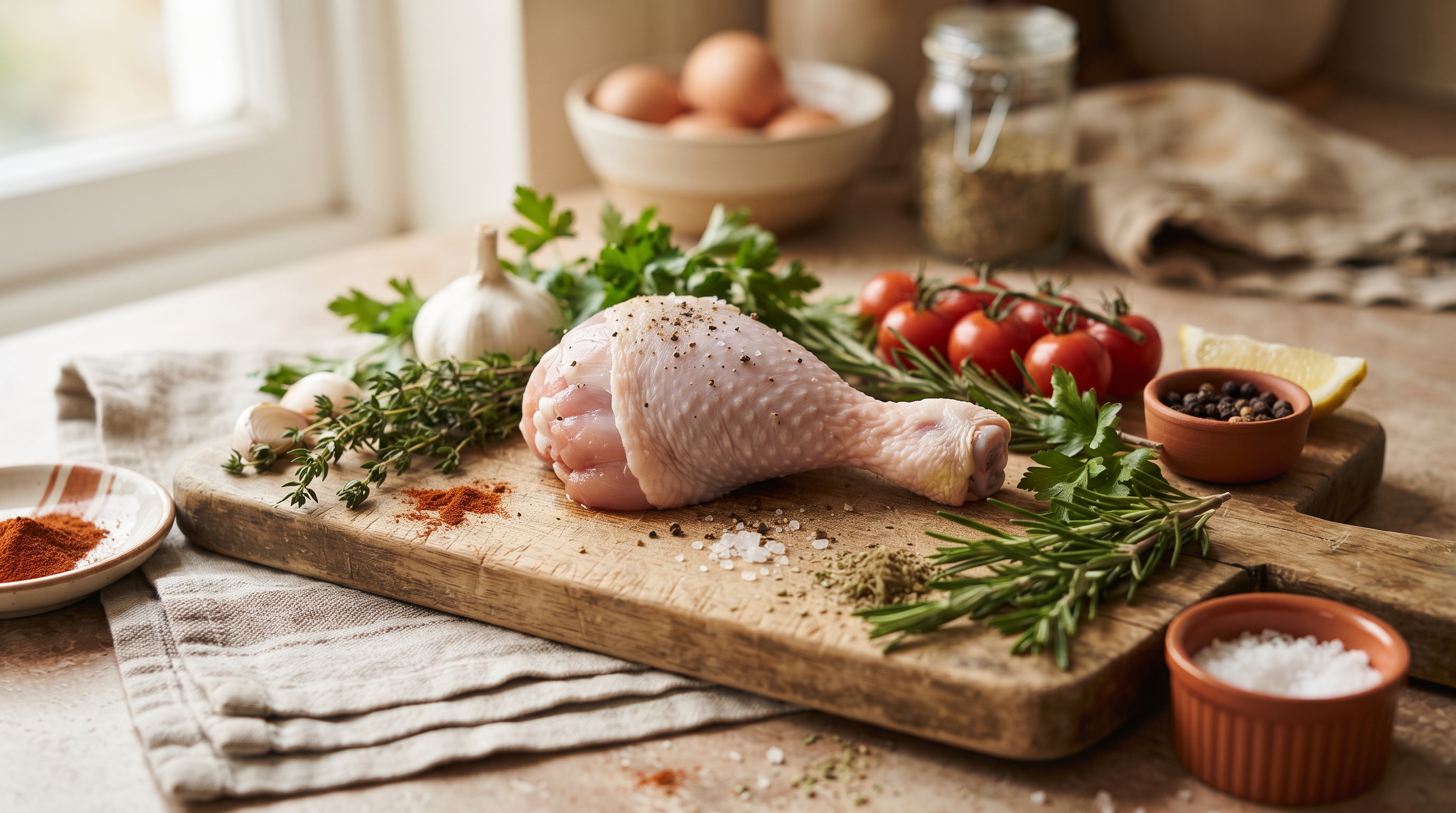
Bone-in chicken legs, thighs, and pork shoulder are good examples. They usually cost less than boneless breasts, chops, or steak because they are less convenient up front. This initial effort, often just a small extra step, ultimately makes your budget stretch further.
Cheap cuts work best with patient cooking
These cuts shine with roasting, braising, or slow cooking. Heat and time soften connective tissue, keep the meat juicy, and build flavor without expensive ingredients. That is why a humble pack of drumsticks can taste far more satisfying than a pricier cut cooked in a rush.
A tray of chicken legs with onions, carrots, and potatoes is one of the easiest examples. Everything cooks together, the vegetables soak up the drippings, and dinner feels complete without needing a separate side. Pork shoulder works the same way on a bigger scale. Cook it once, shred it, and use it in sandwiches, grain bowls, tacos, or stuffed baked potatoes over the next few days. Same protein, different personalities.
Smart ways to stretch these cuts further
You do not need a giant portion of meat for a meal to feel hearty. Use the meat as the anchor, not the whole ship.
-
Roast drumsticks with sturdy vegetables: Potatoes, cabbage, carrots, or onions turn one pan into dinner.
-
Shred pork shoulder for multiple meals: Serve it one night with slaw, then tuck leftovers into tacos or bowls.
-
Braise chicken thighs in broth: Add beans, lentils, or barley to the pot so the meat flavors the whole meal.
That last move matters. It is one of the easiest ways to fight food inflation without making dinner feel skimpy. A smaller amount of flavorful meat can season a full pot of food, especially when grains, legumes, or vegetables help carry the meal.
For packed weeks, easy slow cooker meals make these lower-cost cuts much easier to manage. The savings come from choosing cuts that ask for patience instead of paying extra for speed.
5. Turn Instant Noodles into a Real Dinner
Ever look at a pack of instant noodles and think, "This cannot be dinner again"? Fair. Grocery prices are up, energy is down, and nobody wants a meal that feels like a sad placeholder.
Instant noodles still earn a spot in a budget kitchen because they are cheap, fast, and easy to keep on hand. The trick is to treat them like a base layer, not the whole building. Once you add protein and vegetables, they stop being a snack and start acting like a real meal.
The smart upgrade
The noodle brick gives you bulk for very little money. The savings get better when you skip or use only part of the seasoning packet and build your own quick sauce from pantry basics. Soy sauce, garlic, ginger, a little oil, or a spoonful of peanut butter can do more heavy lifting than that tiny packet ever could.
Then bring in something with staying power. An egg is one of the easiest fixes. Tofu works especially well here because it is usually cheaper than meat, soaks up flavor fast, and helps stretch the bowl without making it feel skimpy. Edamame, leftover shredded chicken, or even a small handful of lentils can do the same job.
Vegetables matter too, but this does not need to get fancy. Frozen peas, spinach, shredded cabbage, or mixed vegetables turn a plain bowl into something that feels balanced. Noodles are the base, with add-ins completing the dish. The bowl works a lot better when all the pieces are there.
Use the seasoning packet lightly, or skip it. Pantry sauces usually give you better flavor and better control over salt.
A better ramen formula for tired nights
Start with this simple pattern and adjust based on what is in the fridge.
-
Base: One pack of noodles, cooked and mostly drained
-
Protein: Egg, tofu cubes, edamame, or a little leftover meat
-
Vegetables: Cabbage, spinach, peas, or frozen mixed vegetables
-
Sauce: Soy sauce, garlic, ginger, oil, and peanut butter if you want it richer
One common mistake is loading the bowl with noodles and calling it done. That fills you up for about an hour. Adding protein and vegetables gives the meal more staying power, which is the whole point when you are trying to spend less and avoid the "what are we eating now?" cycle later.
This is also a good way to fight recipe fatigue. The same noodle pack can turn into a peanutty bowl one night, a gingery stir-fry the next, or a brothy soup with tofu and greens after that. For more noodle-based inspiration that feels more home-cooked, Japanese home cooking recipes can help expand the usual ramen routine.
6. Get Creative with Tortillas for Pizzas and Quesadillas
What do you make when grocery prices keep climbing and dinner needs to happen fast, but you are tired of pasta and not excited about another plain rice bowl? Tortillas are a strong answer. They are cheap, flexible, and unusually good at turning small leftovers into a meal that feels planned.
Tortillas serve as a budget cook's blank canvas. One tortilla can become a crisp pizza, a folded quesadilla, or a quick lunch plate with almost no prep. That matters because achieving substantial savings goes beyond simply purchasing low-cost ingredients. It is using what you already have before it slips into the back of the fridge and becomes a science project.
Why tortillas work so well on a tight budget
A tortilla pizza uses less of the expensive stuff. You need only a thin swipe of sauce and a light layer of cheese, so the toppings do more of the heavy lifting. A few mushrooms, onion slices, chopped peppers, or bits of leftover chicken suddenly look like enough.
Quesadillas are even better for protein stretching. A little shredded meat goes further when you pair it with black beans, refried beans, or lentils. You still get a filling dinner, but you are not relying on meat to carry the whole meal by itself. That is the same smart math behind many good budget meals. Use the pricier ingredient as support, not the star.
Two easy ways to build them
-
Tortilla pizza: Tortilla, thin layer of sauce, small handful of cheese, then vegetables or leftover protein.
-
Protein-stretch quesadilla: Beans, tofu crumbles, or a little meat plus vegetables and cheese, folded and toasted.
-
Fast lunch plate: Cut into wedges and serve with salsa, yogurt dip, or a simple side salad.
One place people get tripped up is stuffing them too full. It seems logical. More filling should mean a better meal. In practice, it gives you a soggy pizza or a quesadilla that leaks all over the pan. Keep the layers thin. A tortilla cooks best when it stays crisp, like the difference between toasted bread and a wet sandwich.
If you want to keep this idea fresh without making it complicated, a few healthy cooking cookbooks can help with topping combinations, sauces, and simple meal patterns that go beyond the usual cheese-only routine.
7. Build Hearty and Healthy Grain Bowls
Budget meals do not have to choose between cost and nutrition. A 2024 peer-reviewed study on food preparation on a budget found that healthy budget communities emphasized smoothies, vegetables, beans, pasta, and snacks, while regular budget communities leaned more toward bread, sandwiches, seasoning, sauce, dairy, noodles, and egg dishes. That split matters because it shows how ingredient choices shape the kind of budget meal a household ends up eating.
A bowl formula that keeps dinner flexible
Grain bowls work because they are structured without being rigid. Start with rice or quinoa. Add a protein such as chickpeas, beans, tofu, or a hard-boiled egg. Then pile on seasonal vegetables, frozen vegetables, or leftovers from another meal.
The dressing can stay simple. Oil plus vinegar, yogurt plus lemon, or soy sauce plus a little sweetness all work. The bowl changes with the ingredients, so dinner stays cheap without becoming repetitive.
An easy build order
-
Base layer: Rice or another grain already in the pantry.
-
Protein piece: Chickpeas, egg, tofu, or leftover chicken.
-
Fresh finish: Raw vegetables, roasted vegetables, or a quick homemade dressing.
For cooks trying to keep this style practical over time, a roundup of healthy eating cookbooks helps with meal patterns, not just one-off recipes. Grain bowls are especially useful when the household wants budget friendly meal ideas that feel lighter than casseroles but still fill everyone up.
8. Perfect the Use It Up Fridge-Clearing Stir-Fry
Some of the best savings do not come from buying cheaper food. They come from cooking the food before it spoils. Interest has grown around use-what-you've-got soups and similar waste-cutting meals, but the bigger lesson is simple. The fridge needs a regular clean-out meal.
The stir-fry formula
A good stir-fry starts with aromatics such as garlic, onion, or ginger. Then come vegetables that need using, such as peppers, broccoli, cabbage, mushrooms, or carrots. Add a protein, which can be leftover meat, tofu, or an egg cracked straight into the pan.
The sauce does not need to be fancy. Soy sauce, a little oil, and something acidic or slightly sweet can pull the whole pan together. Serve it over rice, spoon it into lettuce cups, or eat it as is.
The goal is not perfection. The goal is turning scattered ingredients into one meal before they become compost.
A simple order of operations
-
Start hot: Cook aromatics first so the pan smells alive right away.
-
Add sturdy vegetables: Carrots, broccoli, and onions need more time.
-
Finish gently: Leafy greens, cooked protein, and sauce go in near the end.
This approach also helps with the boredom problem. No two stir-fries need to taste the same. A set of simple ingredient dinner ideas supports that same habit of building meals from what is already on hand instead of chasing a long shopping list.
Budget-Friendly Meal Ideas Comparison
| Tool/Service | Pricing | Standout Features | Platform Support | Best For |
|---|---|---|---|---|
| The Whole Chicken Strategy | Varies by region | Multi-day meal plan, homemade stock | Kitchen-based | Families, meal planners |
| Legume-Based Meals | ~$1 per can | Cost-effective, protein-forward, bulk cooking | Kitchen-based | Budget-conscious cooks |
| Tofu as a Ground Meat Substitute | ~$3 per block | Mimics ground beef, versatile in recipes | Kitchen-based | Vegetarians, budget shoppers |
| Budget-Friendly Meat Cuts | ~$1.80/lb | Affordable cuts, tender cooking methods | Kitchen-based | Meat lovers on a budget |
| Elevated Ramen | ~$0.50 per packet | Gourmet transformation, balanced meal | Kitchen-based | Students, quick meal seekers |
| Versatile Tortillas | Low cost | Quick meals, avoids food waste | Kitchen-based | Families, busy individuals |
| Healthy Grain Bowls | Low cost | Flexible, nutritious, pantry staples | Kitchen-based | Health-conscious eaters |
| Use-It-Up Stir-Fry | Varies | Waste-reduction, adaptable ingredients | Kitchen-based | Eco-friendly cooks |
Your Wallet-Friendly Kitchen Awaits
Cheap dinners do not need to be built on endless pasta or the same bean-and-rice plate on repeat. The stronger strategy is to choose ingredients that can do more than one job and proteins that can stretch across several meals. That is where true relief is found.
A whole chicken can become roast dinner, sandwiches, tacos, enchiladas, and stock. Tofu can step into the role of ground meat when the grocery bill needs a break. Legumes can carry dinner without feeling like a compromise when they are seasoned well and paired with bold flavors. Lower-cost cuts such as drumsticks and pork shoulder reward slower cooking and often deliver more flavor than pricier convenience cuts.
There is also a second layer to saving money that often gets ignored. Waste reduction matters just as much as sticker price. Tortilla pizzas, quesadillas, grain bowls, and stir-fries all help use up leftovers and half-empty produce drawers before those ingredients get tossed. That is not glamorous, but it is effective.
The biggest shift is mental. Budget friendly meal ideas work better when dinner is treated as a system instead of a single recipe. One cooked protein can lead to several meals. One can of beans can become chili, burgers, or bowl toppings. One bag of frozen vegetables can stretch noodles, stir-fries, soups, and rice bowls. That kind of planning lowers stress because the cook is no longer starting from zero every night.
Food costs may be stubborn, but dinner can still be smart, filling, and varied. A tighter grocery budget does not have to mean bland food or constant repetition. It just asks for better building blocks and a little more intention.
Ready to fill your kitchen with more exciting, protein-packed meals? Check out our Protein Powerhouse Digital Cookbook for 49 recipes that will keep your taste buds and your wallet happy.
More variety usually starts with a better plan, not a bigger grocery bill. Browse the recipe collections at Just Cook It for practical meal ideas that help stretch protein, use leftovers well, and keep dinner interesting.