These healthy one pot dinner recipes put vegetables, protein, and something filling in the same cooking vessel. You'll find Louisiana-style jambalaya, creamy dal, lemony chicken and orzo, and a Moroccan-spiced stew. They share familiar moves: soften vegetables, build flavor, add liquid, and simmer.
One pot doesn't automatically mean quick, though. Brown rice needs patience. Chicken thighs take longer than canned chickpeas. Each dinner below gets a practical verdict on hands-on work, cleanup, and tomorrow's lunch, plus a fix for the mistake most likely to spoil it.
- Keep cleanup honest. A chopping board, knife, and spoon still count, but none of these dinners needs a separate saucepan.
- Use shortcuts selectively. Canned beans and frozen vegetables help. A salty bottled sauce can make seasoning harder to control.
- Plan for lunch. Soupy dishes usually reheat more forgivingly than pasta or rice cooked completely dry.
The same sensible habits behind healthier cooking in workplace kitchens belong at home: accessible ingredients, manageable preparation, and meals you'll make again. Pick the pot that suits tonight's energy, not the most ambitious dinner on the list.
Table of Contents
- 1. Chicken and Vegetable Jambalaya (Lighter Version)
- 2. Red Lentil and Vegetable Dal
- 3. Greek-Style Lemon Chicken and Orzo
- 4. Turkey and Black Bean Chili
- 5. Classic Minestrone Soup
- 6. One-Pot Chicken Khichdi
- 7. Coconut Chickpea and Spinach Curry
- 8. Moroccan-Spiced Chicken and Chickpea Tagine
- 9. Brown Rice and Vegetable Paella
- Quick comparison of the nine one-pot dinners by base, cook time, and vegetarian options
- Pick One Tonight and Start Your Pot Rotation
1. Chicken and Vegetable Jambalaya (Lighter Version)
Start with onion, celery, and green bell pepper, the aromatic base of this Louisiana Creole-style rice dinner. Use chicken breast as the main protein and smoked turkey sausage as a seasoning ingredient rather than the bulk of the meal. Turkey sausage can still be salty, so compare labels instead of assuming it's the lighter choice.
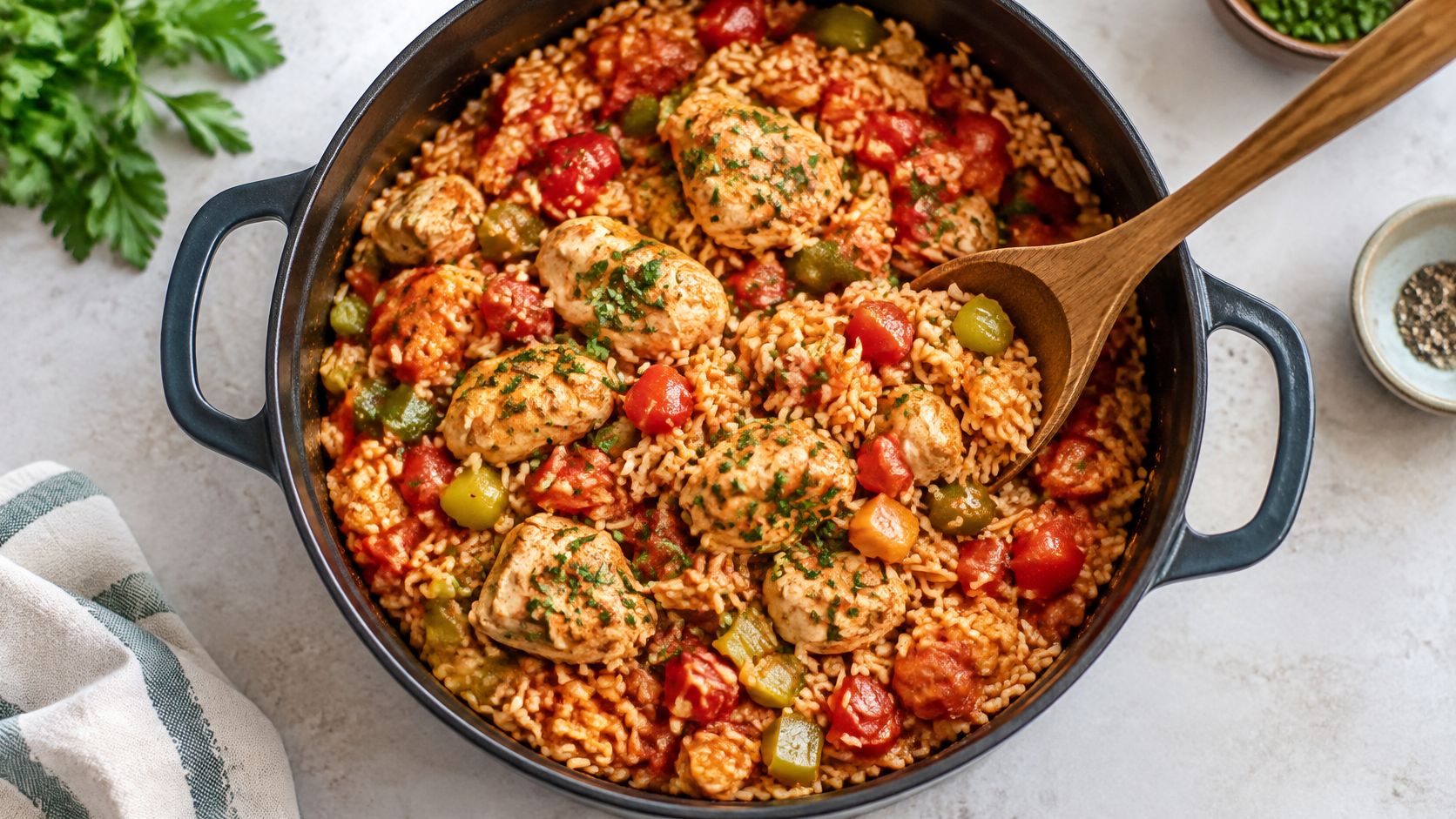
Soften the vegetables in olive oil in a heavy, lidded pot. Add bite-size chicken, sliced sausage, garlic, paprika, thyme, and cayenne, then stir in long-grain rice. Add chopped tomatoes and low-sodium broth, accounting for the tomato juices when measuring the rice's cooking liquid.
Bring everything to a simmer, cover, and lower the heat. Let the rice finish before lifting the lid repeatedly or stirring through the pot.
Fix the mushy rice problem
Too much liquid and too much stirring are the usual troublemakers. Use the rice packet's absorption guidance as your starting point, and don't treat tomato juice as a free extra.
Practical rule: Once the rice is gently simmering, leave it alone. Rest it off the heat before fluffing.
- Weeknight fit: Moderate chopping, followed by mostly unattended cooking. This isn't the fastest option when everyone's already hungry.
- Cleanup: A heavy pot and its lid, with no separate rice pan.
- Lunch verdict: Good. Reheat covered with a splash of water, loosening the rice gently rather than mashing it.
For a family dinner, add extra peppers and celery. If replacing sausage with shrimp, add the shrimp near the end so it doesn't toughen while the rice cooks.
2. Red Lentil and Vegetable Dal
Choose dal when you want a forgiving dinner that doesn't depend on perfectly timed grains. Split red lentils soften into the sauce, so their tendency to break down works in your favor. Carrot, tomato, and spinach make the pot more substantial without complicating the method.
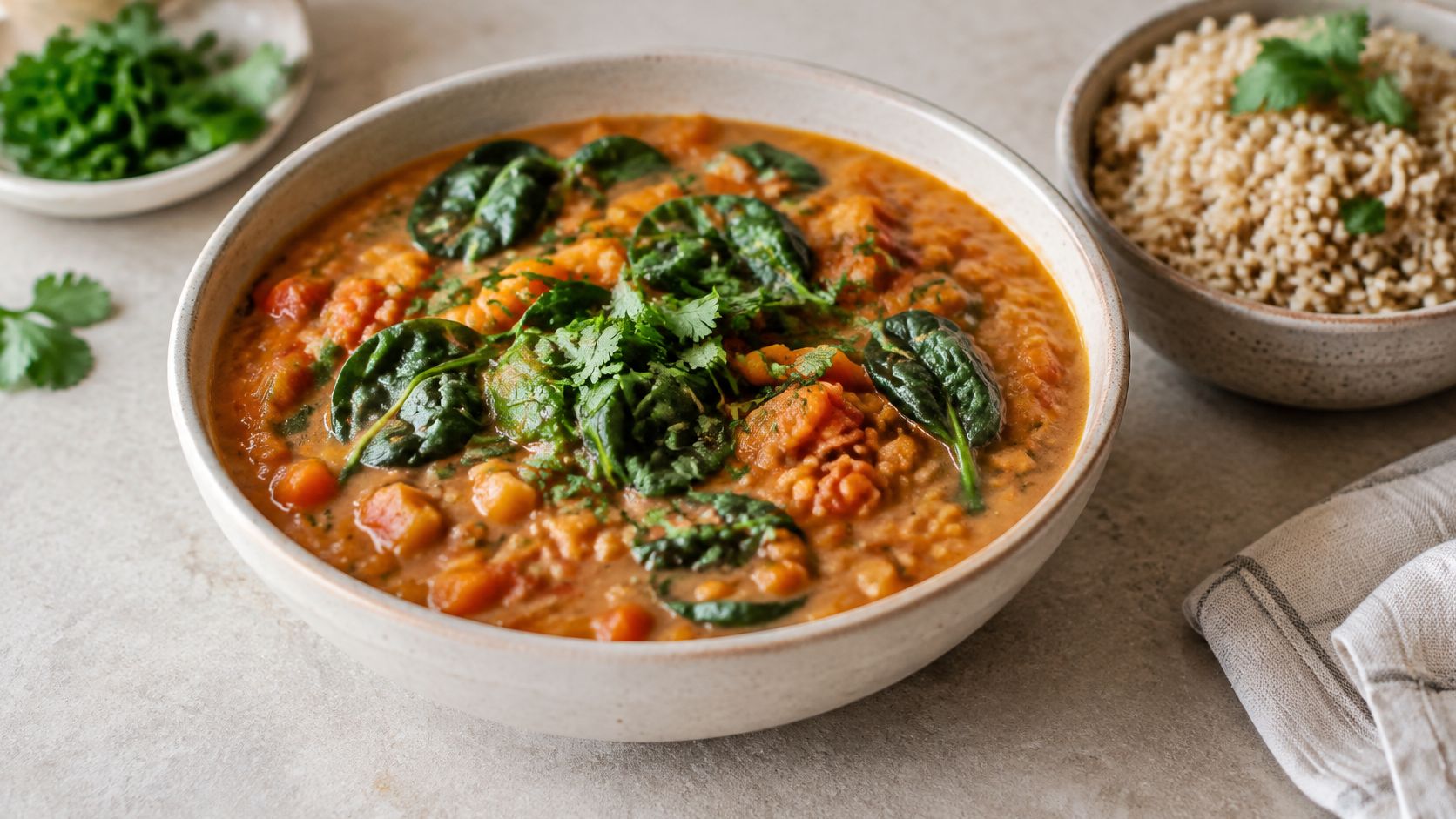
Rinse the lentils, then soften chopped onion and finely diced carrot in oil. Add cumin, turmeric, grated ginger, and garlic, stirring just until fragrant. Follow with tomatoes, lentils, and enough water to keep everything comfortably submerged.
Simmer gently, stirring across the bottom as the lentils thicken. Fold in spinach and finish with lemon juice. For help choosing the right lentil and judging doneness, use our guide to cooking lentils.
Keep the spice step in the same pot
A separate hot-oil spice finish adds another pan. For this weeknight version, bloom the spices at the beginning instead, keeping the heat moderate so the garlic doesn't scorch.
- Common failure: Dal turns stiff or catches on the bottom. Add hot water, lower the heat, and stir more frequently as it thickens.
- Weeknight fit: Short preparation with an easy simmer. Small carrot pieces soften alongside the lentils.
- Lunch verdict: Excellent for portioning and freezing. It thickens after cooling, so loosen it before reheating.
Serve it as a thick stew with whole-grain flatbread to preserve the single-pot setup. Brown rice works too, but use previously cooked rice rather than adding another saucepan to dinner.
3. Greek-Style Lemon Chicken and Orzo
The timing hinges on two things: chicken pieces that cook evenly and orzo added only when the chicken is nearly done. Orzo cooks faster than rice, but its released starch can make it stick to the pan. Use boneless chicken cut into similar-sized pieces, and stir often once the pasta goes in.
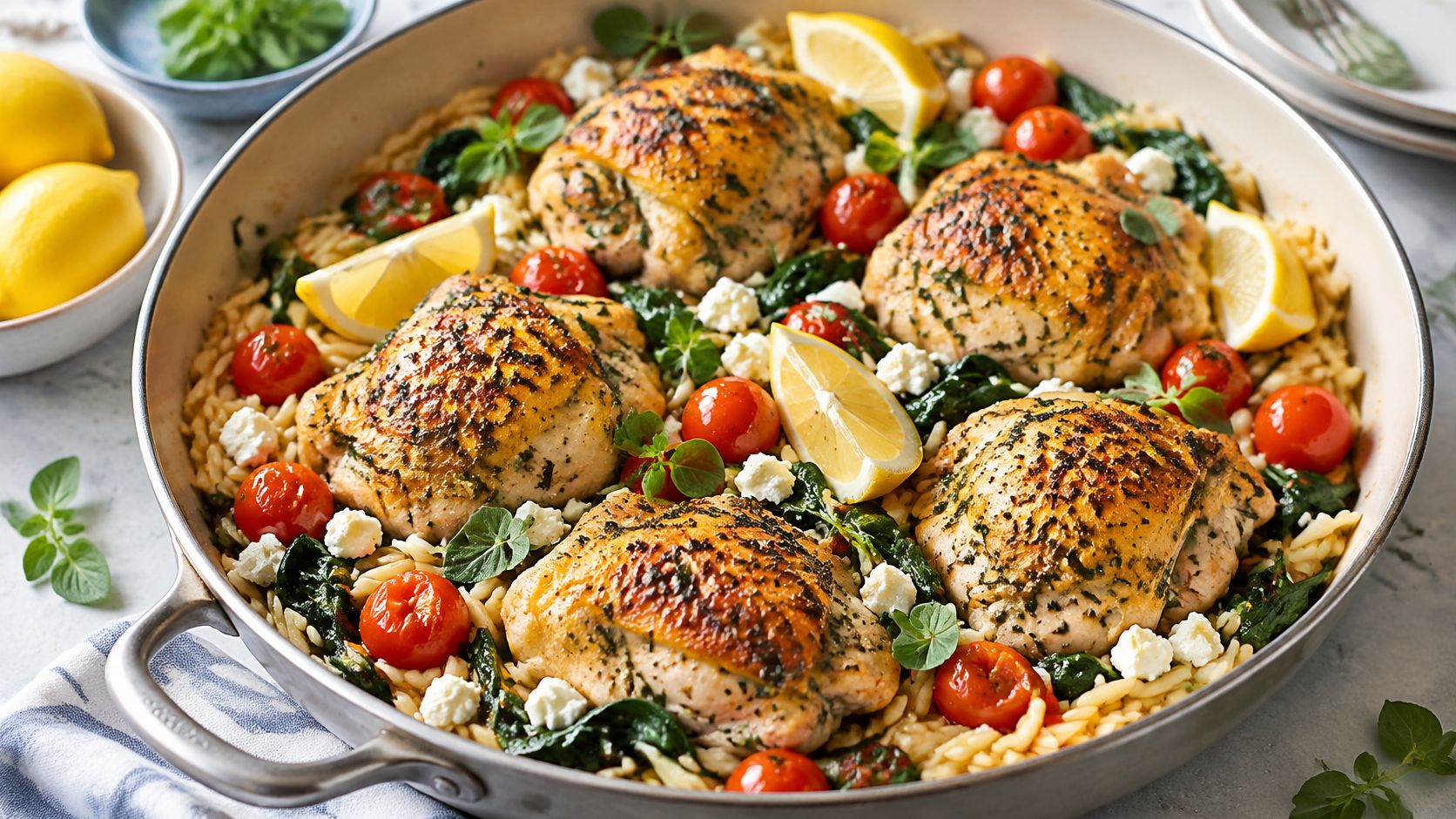
Brown the chicken in olive oil in a deep sauté pan. Add garlic, oregano, and cherry tomatoes, then pour in broth and cook gently until the chicken is nearly done. Stir in the orzo, scraping across the base of the pan as it cooks. Whole-wheat orzo works too, but use its package timing because it may need a different amount of liquid or cooking time.
Stop cooking before the pasta goes soft
Take the pan off the heat while the orzo still has a slight bite. It continues to absorb liquid as it rests, especially under a lid.
- Weeknight fit: Boneless chicken keeps the cook time brisk, but stay nearby to stir once the orzo is added.
- Cleanup: One deep pan, a lid, and a stirring spoon.
- Lunch verdict: Better eaten fresh, though leftovers work with a little adjustment. The most common problem is dry, swollen orzo. Reserve a portion with extra broth and reheat it gently, adding another splash if needed.
This is a good choice when everyone can eat soon after cooking. For more ideas on planning meals around Mediterranean-style dishes, see these Mediterranean meal-prep ideas.
For broader cuisine inspiration, Mediterranean Home Kitchen | Digital PDF offers another way to explore Mediterranean cooking.
4. Turkey and Black Bean Chili
Chili earns its place in a weeknight rotation because the beans and tomato sauce do much of the work. Ground turkey supplies the meatiness, while black beans, kidney beans, onion, and peppers keep the pot from becoming mostly meat.
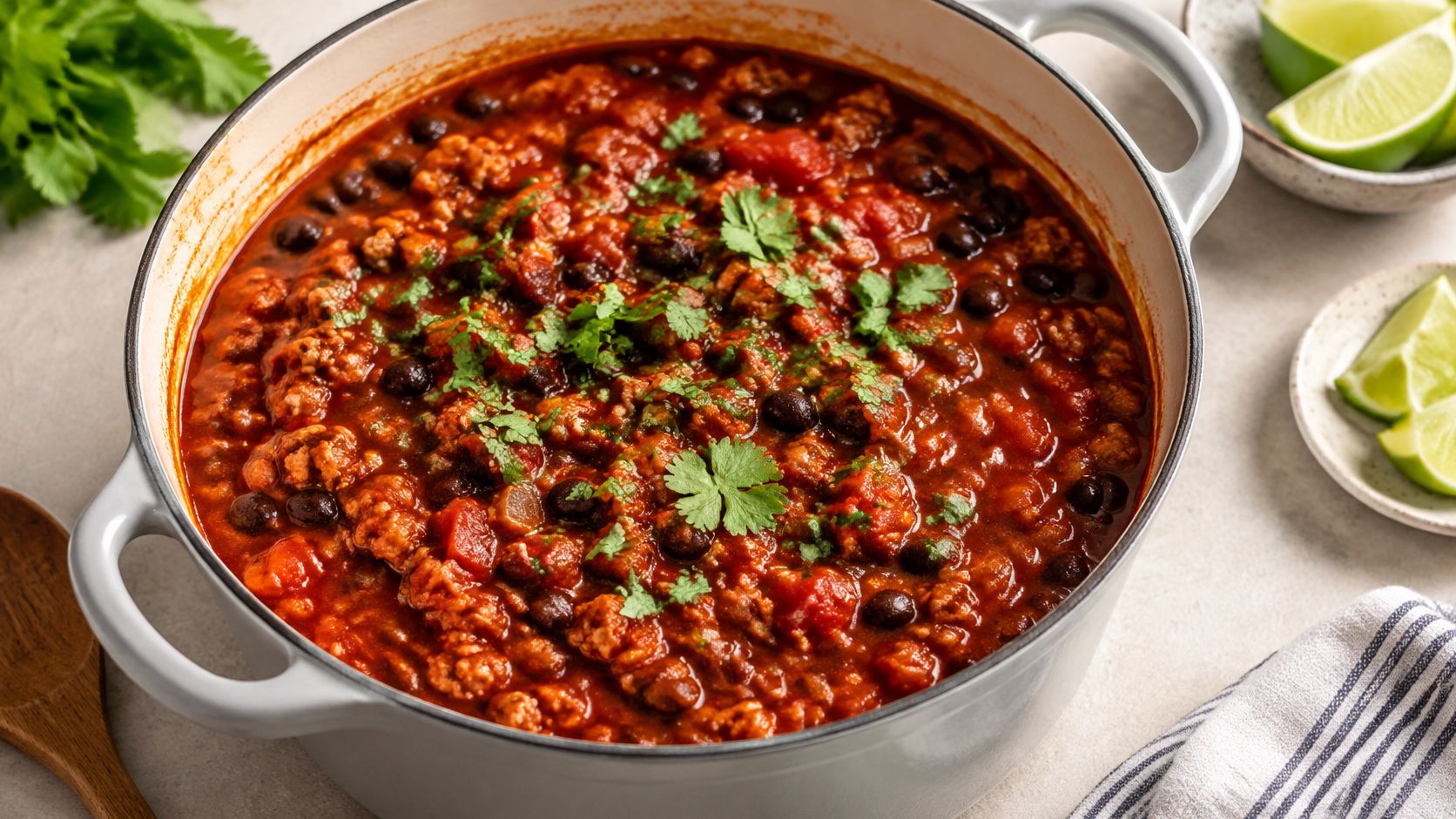
Soften onion and peppers in a Dutch oven, then push them aside and add the turkey. Let it develop some color before breaking it into coarse pieces. Stir in tomato paste, chili powder, cumin, and smoked paprika, followed by canned tomatoes and drained, rinsed beans.
Add enough water or low-sodium broth for a loose chili, then simmer gently until the vegetables are tender. Avoid boiling it longer just because extended cooking seems more impressive.
Browning develops flavor. Prolonged hard simmering won't rescue lean turkey that's already dry.
Keep the turkey tender
Avoid tiny, dry crumbles. Leave the meat in slightly larger pieces, get it into the sauce promptly after browning, and keep the simmer gentle. If the chili tastes flat, try lime juice before adding more salt.
- Weeknight fit: Straightforward preparation, with time to clear the board while it simmers.
- Cleanup: Excellent. There's no pasta to drain or separate bean-cooking step when using canned beans.
- Lunch verdict: Excellent, especially with chopped cilantro added after reheating.
For a meal-prep batch, freeze portions without yogurt or other fresh toppings. If you prefer dried beans, cook beans from scratch ahead of time; they aren't an interchangeable last-minute substitute for canned beans.
5. Classic Minestrone Soup
Minestrone is the dinner for a fridge containing half a zucchini, some cabbage, and carrots that need attention. Choose vegetables by cooking speed, not just by what fits in the pot. Dense roots go in early; tender greens wait until the end.
Cook onion, carrot, and celery in olive oil until softened. Add garlic, tomatoes, low-sodium vegetable broth, and chopped cabbage or green beans. Simmer until the firmer vegetables are nearly tender, then add zucchini and cooked white or kidney beans.
A Parmesan rind adds savory depth if you eat dairy. Remove it before serving, and taste the broth before adding salt.
Make tomorrow's pasta decision tonight
Pasta cooked in soup keeps drinking broth after dinner. For lunch-friendly minestrone, leave it out and serve whole-grain bread alongside instead. That keeps both the texture and the cleanup simpler.
Mayo Clinic Health System recommends whole grains and a benchmark of no more than 600 mg of sodium per serving for healthy quick meals. That's a useful target to calculate from your actual broth, beans, cheese, and serving size, not a value to assume this soup automatically meets.
- Weeknight fit: Mostly chopping and simmering. Frozen chopped vegetables make the preparation lighter.
- Cleanup: A soup pot, with a strainer only if your beans need rinsing.
- Lunch verdict: Excellent without pasta. Add fresh spinach while reheating to keep the greens from becoming overly soft.
If you want pasta tonight, add a small shape near the end and stop cooking as soon as it's tender. Expect softer pasta in tomorrow's portion.
6. One-Pot Chicken Khichdi
Khichdi should be soft and comforting, not fluffy like pilaf. This chicken version combines rice, split yellow mung lentils, ginger, turmeric, and vegetables in a gently seasoned pot. It's a practical choice when you want a mild dinner without a separate sauce or side.
Use split, hulled yellow mung lentils rather than whole mung beans. Whole beans need different treatment and won't soften on the same schedule.
Rinse the rice and lentils together. Soften onion, ginger, and cumin in a little oil, add small chicken pieces and turmeric, then stir in rice, lentils, diced carrot, and water. Cover and simmer gently, checking that the mixture stays loose enough to soften evenly.
Soft is right, scorched isn't
The common failure is insufficient water, followed by a thick layer sticking underneath. Add hot water when the mixture becomes stiff before the lentils are tender, and scrape the base gently with a wooden spoon.
- Weeknight fit: Modest preparation, but the lentils set the schedule. Don't promise a quick finish if you've bought a different variety.
- Cleanup: A heavy saucepan with a lid. Gentle heat makes washing it much easier.
- Lunch verdict: Very good once loosened with water. Reheat covered and stir so the center warms evenly.
For a family dinner, fold in frozen peas near the end and finish with lemon or a small spoonful of ghee. Check the chicken with a food thermometer rather than using the softness of the rice as evidence that the meat is ready.
This is also a useful pot for anyone who dislikes chili heat. Keep the cumin and ginger for flavor, and leave hot peppers out.
7. Coconut Chickpea and Spinach Curry
When the cupboard has to carry dinner, choose canned chickpeas, tomatoes, and light coconut milk. Frozen spinach works well here, so fresh produce doesn't have to decide whether you can cook. The main trade-off is a little less richness than a curry made with full-fat coconut milk.
Soften sliced onion in oil, then stir in ginger, garlic, cumin, coriander, turmeric, and chili to taste. Add tomatoes and cook until they lose their raw edge. Stir in drained chickpeas and light coconut milk, then simmer gently until the sauce comes together.
Mash some chickpeas against the side of the pot with a wooden spoon. This thickens the sauce without requiring a blender to wash.
Texture fix: Reduce a watery sauce before adding spinach. Boiling everything hard afterward gives you tired greens rather than a better curry.
Finish with greens and acid
Add spinach late, letting fresh leaves wilt or frozen spinach heat through. Finish with lime juice and cilantro, tasting before adding more salt.
- Weeknight fit: One of the easier choices when you haven't prepared anything ahead.
- Cleanup: A saucepan and spoon, with no blender or rice pan required.
- Lunch verdict: Excellent. The chickpeas hold their shape, although the spinach loses its bright color.
Serve it as a thick, spoonable curry or with whole-grain flatbread. If you want brown rice, use a previously cooked portion.
For a work lunch, pack lime separately if convenient. A fresh squeeze after reheating brings back the brightness without needing extra sauce, oil, or salt.
8. Moroccan-Spiced Chicken and Chickpea Tagine
This Moroccan-style stew is a good choice when you can start dinner before everyone needs to eat. It asks for less stirring than orzo, but more elapsed time than a canned-chickpea curry. A Dutch oven with a snug lid works; you don't need specialist cookware.
Use trimmed, skinless chicken thighs, onions, carrots, chickpeas, and a modest handful of chopped dried apricots. Warm cumin, ginger, cinnamon, and paprika in oil with the onions, then add the chicken, carrots, apricots, and a shallow amount of broth.
Cover and cook gently until the chicken is tender and fully cooked. Add canned chickpeas toward the end so they warm through without breaking apart.
Avoid a thin, sweet stew
Too much broth and too many apricots are the common mistakes. The chicken and vegetables release moisture under the lid, so start conservatively with liquid.
If the finished sauce is thin, uncover and reduce it gently. Add preserved lemon sparingly, or use fresh lemon juice, then taste before salting.
- Weeknight fit: Low-to-moderate hands-on work, but better for an early-start evening than a last-minute dinner.
- Cleanup: A lidded Dutch oven, with no separate grain needed if chickpeas make up a generous part of the bowl.
- Lunch verdict: Excellent. The carrots and thighs tolerate gentle reheating well.
For a make-ahead family meal, keep the sauce slightly loose and add cilantro or parsley after reheating. Don't chase a browned crust throughout cooking; the covered, moist finish is what makes this dish useful.
Serve with bread if you want something to catch the sauce. Preparing separate couscous is optional, not part of the one-pot promise.
9. Brown Rice and Vegetable Paella
Brown-rice paella is the slowest grain dinner here, so treat it as a relaxed weeknight option rather than an emergency meal. This vegetable-heavy adaptation uses a wide, lidded sauté pan to help the rice cook evenly. It won't behave exactly like traditional paella rice.
Soften onion and bell pepper in olive oil. Add garlic, chopped tomato, smoked paprika, and saffron if using, then stir in brown rice to coat it. Pour in hot low-sodium broth according to the rice's cooking guidance, allowing for moisture from the tomatoes.
Bring to a gentle simmer, cover, and leave the rice largely undisturbed. Add zucchini and peas later so they don't spend the whole cooking period turning soft.
Rescue firm rice without flooding the pan
If the pan looks dry but the rice is still firm, add a little hot broth around the edges and cover again. Don't pour in a large amount or stir it into a wet risotto.
- Weeknight fit: Light hands-on work, long unattended cooking. Check the brown-rice packet before choosing it for tonight.
- Cleanup: A wide pan and lid. A lid avoids the need for disposable foil.
- Lunch verdict: Good, although the vegetables soften. Reheat covered with a splash of water and finish with lemon.
For a more substantial vegetarian dinner, add drained chickpeas with the later vegetables. Rest the pan off the heat before serving, and don't force a crisp bottom crust at the expense of properly cooked rice.
For a visual reference, watch the pan technique below, while keeping your brown rice's cooking needs in mind.
Quick comparison of the nine one-pot dinners by base, cook time, and vegetarian options
| Item | Main Protein or Base | Approx. Cook Time | Best For | Vegetarian Option |
|---|---|---|---|---|
| Chicken and Vegetable Jambalaya (Lighter Version) | Chicken breast and smoked turkey sausage | One-pot simmer; time not specified | Weeknight dinners and meal prep | No vegetarian option specified |
| Red Lentil and Vegetable Dal | Red lentils | About 20–25 minutes for lentils | Plant-based meals and batch cooking | Already vegetarian and vegan |
| Greek-Style Lemon Chicken and Orzo | Chicken and orzo | About 45 minutes | Mediterranean-style weeknight dinners | No vegetarian option specified |
| Turkey and Black Bean Chili | Ground turkey and beans | About 30–40 minutes | Potlucks and freezer-friendly meals | Replace turkey with extra beans or lentils |
| Classic Minestrone Soup | Vegetables, beans, and optional pasta | Not specified | Flexible, vegetable-forward meals | Vegetarian dinners with beans |
| One-Pot Chicken Khichdi | Chicken, rice, and split yellow lentils | About 30–40 minutes | Comforting, gentle meals | Omit chicken; rice and lentils provide a complete protein |
| Coconut Chickpea and Spinach Curry | Chickpeas and spinach | About 30 minutes | Plant-based weeknight dinners | Already vegetarian and vegan |
| Moroccan-Spiced Chicken and Chickpea Tagine | Chicken thighs and chickpeas | Longer simmer; time not specified | Make-ahead meals and entertaining | No vegetarian option specified |
| Brown Rice and Vegetable Paella | Brown rice and vegetables | Longer cooking time; exact time not specified | Vegetarian dinners and casual gatherings | Already vegetarian; chickpeas are an optional addition |
Pick One Tonight and Start Your Pot Rotation
Choose dinner according to the time and attention you have. Chickpea curry suits a late start. Dal and chili suit batch cooking. Lemon chicken and orzo works best when you can stay near the stove and serve promptly.
Brown-rice paella and chicken tagine belong on evenings with more breathing room. They don't demand constant work, but their simmering time still counts. Calling a meal hands-off doesn't make it ready sooner.
Time pressure is real: AHDB, citing Kantar Usage data, reports that average evening-meal preparation time in the United Kingdom fell to 31 minutes in 2024. That doesn't mean every useful dinner must fit that window, but it's a good reason to distinguish chopping and stirring from unattended cooking.
Build a rotation around shared ingredients
You don't need a different shopping list for every cuisine. Onion, garlic, canned tomatoes, chickpeas, lentils, and frozen greens appear in several of these pots. Change the spices and finishing ingredients, and the meals won't taste interchangeable.
- Buy for overlap. Use spinach in the dal, curry, and orzo rather than buying unrelated greens for each.
- Keep the grain choice deliberate. Rice, pasta, and lentils need different amounts of liquid and different levels of attention.
- Choose a finishing ingredient. Lemon, lime, herbs, or a little yogurt can brighten dinner without another cooking step.
- Match the pot to the job. A deep saucepan suits dal; a wide sauté pan suits orzo and paella.
Make a double batch only when your pot has room to simmer comfortably. Crowding can slow heating, make stirring awkward, and leave you with more food than you can cool conveniently. Portion leftovers into shallow containers and refrigerate promptly rather than leaving the full pot on the counter.
Pack lunch before adding every garnish. Keep fresh herbs, citrus, and crunchy toppings separate where practical. Reheat only the portion you need, adding water or broth when the starch has absorbed the sauce.
Start with whichever dinner sounds easiest tonight, then repeat it before changing everything. Adjust the heat, vegetable cuts, and liquid to suit your cookware, and note what worked. A dependable rotation grows from meals you can repeat confidently, not from collecting more recipes than you'll cook.
Our downloadable cookbooks offer kitchen-tested instructions for everyday meals across global cuisines. Visit Just Cook It and browse our Weeknight Dinners collection for fast, family-friendly recipes to add alongside your favorite one-pot dinners.