Most advice about rotisserie chicken is too small-minded. It treats the bird as tonight’s shortcut dinner, then leaves people with dry leftovers, random recipe ideas, and no plan for the rest of the week.
That misses the primary value. Rotisserie chicken works because it removes the slowest part of low-carb cooking: preparing the protein. The meat is already cooked, easy to portion, and naturally suited to meals where starch gets replaced by greens, cauliflower rice, zucchini noodles, or a creamy vegetable base. That convenience helps explain why the category keeps expanding. A 2026 rotisserie market estimate from Verified Market Research placed the global market at about USD 1.65 billion and projected significant growth.
Busy cooks don't need another giant roundup of low carb recipes using rotisserie chicken. They need a system for deciding what to make, how strict to keep the carbs, and how to store the chicken so day-three lunch still tastes good.
Table of Contents
The Secret to Effortless Low Carb Meals

The secret is not finding more recipes. It is removing decisions.
A rotisserie chicken gives you a cooked protein that can move in several directions fast. That matters more than people admit. Low-carb meals usually break down on busy nights because the protein is still raw, the vegetables are unwashed, and nobody wants to dirty three pans just to avoid takeout.
This is why rotisserie chicken earns a permanent place in a practical low-carb routine. It lets you spend your effort where it changes the meal. Moisture, texture, vegetables, and sauce. Not trimming chicken breasts at 6:30 p.m.
The advantage is range. One bird can become a cold lunch, a creamy skillet, a lettuce-wrap dinner, or a casserole that feels like comfort food instead of restriction. If you like that style of meal, it also fits naturally with lighter comfort-food recipes that keep the familiar texture without leaning on pasta, rice, or breadcrumbs.
Rotisserie chicken saves time twice. First in cooking, then again in deciding what to make.
That second part is the one people miss. Effortless meals come from choosing the right format for the day, not from forcing every leftover into the same kind of recipe. Dry shredded chicken works in a mayo-based salad. It struggles in a plain reheated bowl. A small amount of chicken is enough for stuffed lettuce cups. It disappears in a big casserole unless you add vegetables and a sauce that brings back moisture.
Quality matters too. Pull the meat while it is still slightly warm if you can. Store it in shallow containers. Keep the breast meat separate from the darker meat if you want better results later. Breast meat is better for cold salads and quick lunches. Thigh and leg meat hold up better in reheated skillets, soups, and baked dishes because they stay juicier.
The better way to use it
Start with the job the meal needs to do.
-
Need food in under 10 minutes: use cold or no-cook formats like chicken salad, lettuce bowls, or cucumber plates.
-
Need a satisfying dinner: use warm formats with broth, cream, cheese, salsa, or sautéed vegetables to protect the meat from drying out.
-
Need tighter carb control: keep an eye on sauces, sweet dressings, beans, and starchy add-ins.
-
Need meals for later: portion the chicken early, then match each portion to a format that reheats well or tastes good cold.
One more rule matters. Treat rotisserie chicken like any other cooked meat. Refrigerate it promptly, use it within a few days, and reheat only the portion you plan to eat. That is how you keep both the texture and the food safety on your side.
Low carb recipes using rotisserie chicken work best when you choose the meal type first, then build around the chicken. That is the system.
How to Choose the Right Recipe Approach
Not every chicken recipe deserves a place in a low-carb routine. The chicken itself is usually the easy part. The main consideration is the add-ons.
According to rotisserie chicken nutrition data at Meal Plan, a 100 g serving contains about 0 to 0.4 g total carbs and about 20 to 26 g of protein. That means the carb count of the finished dish is driven mostly by sauces, vegetables, dairy, and binders.
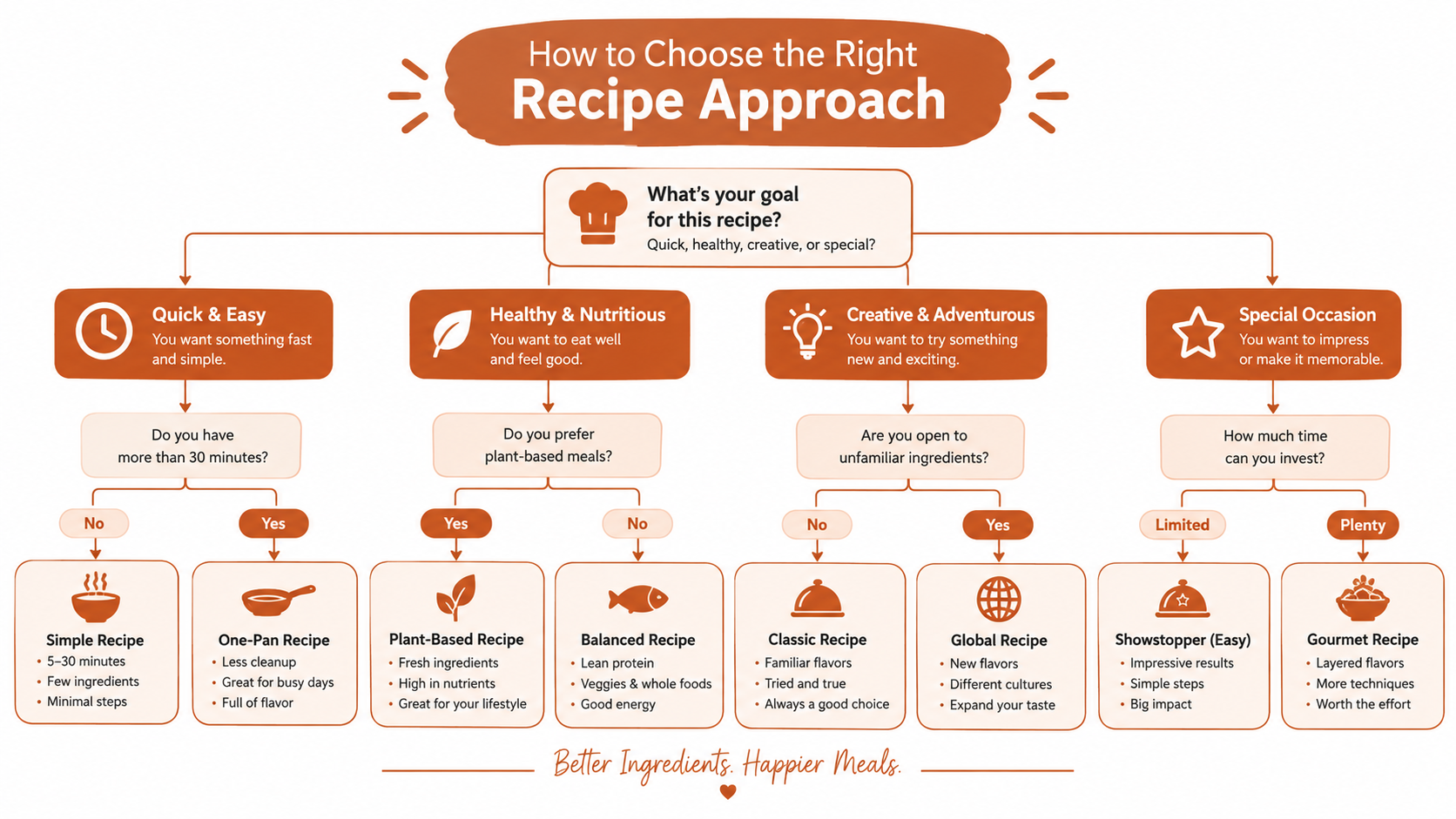
Start with the meal occasion
A rushed weekday lunch and a sit-down dinner shouldn't be built the same way.
For lunch, cold or room-temperature formats usually win. Chicken salad, chopped lettuce bowls, and cucumber-heavy plates hold up well and don't need reheating. For dinner, warm formats make more sense because they can absorb moisture and flavor back into the meat. A skillet with cream, broth, cheese, or sautéed vegetables is often a better use of leftover chicken than a dry bake.
Use this filter first:
-
Fastest path: no-cook salads, lettuce wraps, stuffed avocado halves.
-
Family table: casseroles, creamy bakes, taco-style bowls over greens.
-
Work lunch: portioned containers with separate toppings so texture stays intact.
-
Last-minute dinner: skillet meals that reheat the chicken gently.
Match the flavor profile to the format
Rotisserie chicken is neutral enough to swing in different directions, but some flavors fit some formats better.
Creamy profiles work best in casseroles, warm bowls, and skillet dishes because the sauce protects the meat from drying out. Fresh, herby, sharper flavors fit chopped salads and lettuce wraps because they add contrast without needing heat. Tex-Mex style seasoning works well in bowls because toppings can be controlled one by one.
A practical way to choose:
-
Comfort craving: use cream, cheese, mushrooms, broccoli, cauliflower.
-
Fresh mood: use celery, herbs, cucumber, greens, lemony dressings.
-
Bold dinner: use salsa-style toppings, avocado, shredded cheese, sour cream alternatives.
Carb-control rule: when a low-carb chicken meal goes off track, the culprit usually isn't the chicken. It's the sauce, the thickener, or the sweetened seasoning.
Set the carb target before cooking
Many people inadvertently compromise their low-carb goals. They call a meal "low carb" because the protein is chicken, then pile on ingredients that push the dish far beyond what they meant to eat.
A stricter approach needs cleaner ingredient choices. A more flexible low-carb dinner can handle a wider range of vegetables and dairy. The point isn't perfection. It's intention.
Use these rough decision lanes without pretending every meal needs the same standard:
-
Strict keto style: keep the ingredient list tight, avoid sweet sauces, skip starchy fillers.
-
Moderate low carb: allow more vegetables and a slightly broader sauce base.
-
High-protein first: prioritize portion size and satiety, then trim obvious carb-heavy extras.
The best low carb recipes using rotisserie chicken are chosen backward. Occasion first, flavor second, carb target third. That order prevents random cooking and makes leftovers easier to plan.
Find Your Perfect Low Carb Chicken Meal
The challenge isn't a lack of ideas; it's the need for faster decisions. The easiest fix is to match the recipe type to the situation before opening the fridge.
| If you are... | Our Recommendation | Why It Fits Your Needs |
|---|---|---|
| New to low-carb and need reliable inspiration. | Low Carb Lifestyle | Digital PDF | This collection provides 75 tested recipes, removing the guesswork and ensuring your meals are delicious and compliant. |
| Tired of eating the same simple salads and chicken breasts. | Low Carb Lifestyle | Digital PDF | It focuses on vibrant, flavorful dishes with bold seasonings, proving that a low-carb lifestyle is anything but boring. |
| Looking for family-friendly low-carb dinners. | Low Carb Lifestyle | Digital PDF | Features familiar favorites reimagined for a low-carb diet, making it easier to cook one meal the whole family will enjoy. |
| A busy person who wants to leverage meal prep. | Low Carb Lifestyle | Digital PDF | Many recipes are ideal for batch cooking and can be made even faster using pre-cooked rotisserie chicken as a base. |
Use the situation to choose the format
If lunch has to happen fast, cold meals beat reheated ones. Chicken salad, chopped greens, and lettuce wraps save time and avoid the texture drop that comes from repeated microwaving. A focused set of make-ahead lunch ideas fits that reality better than dinner-style recipes repurposed at noon.
If dinner has to satisfy a household, warm and familiar wins. Creamy casseroles, taco bowls over greens, and cheesy vegetable bakes usually land better than sparse "diet" plates. That's where Low Carb Lifestyle | Digital PDF makes sense as a planning tool, because it gives the cook a defined lane instead of another open-ended search.

Quick recommendations that hold up in real life
-
Office weekday: choose a cold bowl or lettuce wrap with dressing packed separately.
-
Picky family night: choose a creamy bake where vegetables are mixed into the dish, not served as a side people ignore.
-
Strict carb day: choose plain shredded chicken with high-fat, low-carb toppings and simple vegetables.
-
Meal-prep Sunday: portion plain chicken first, then split it into two directions, one cold and one reheatable.
-
Low-energy evening: choose a skillet meal because it revives cooked chicken faster than the oven.
The point isn't variety for its own sake. It's reducing friction so the chicken gets used before it dries out or gets forgotten.
Smart Storage and Meal Prep Tips
The biggest mistake with rotisserie chicken happens after purchase. People leave it sitting too long, pack it badly, or reheat it until it turns stringy and dull.
That gap gets ignored in most recipe roundups, even though Atkins' discussion of budget-friendly rotisserie chicken meals points out that cooling, shredding, and reheating without dryness matter for anyone using it across several meals.
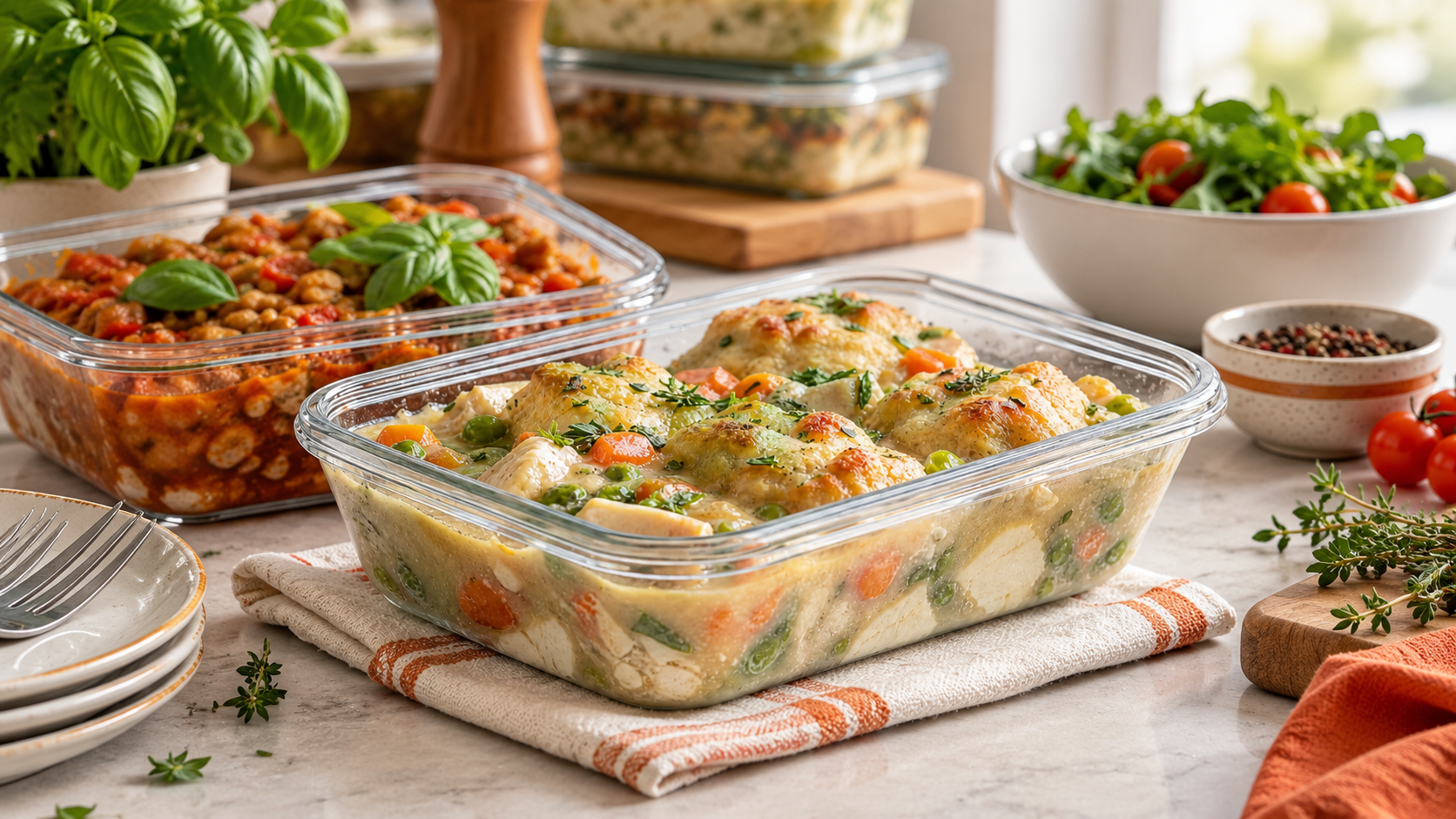
Handle it with a plan
A whole chicken stores better when it's broken down early. Pull the meat from the bones while it's still easy to work with, then separate it by intended use. Keep breast meat for salads and wraps. Save darker meat for skillets, soups, and casseroles where richer flavor helps.
Use shallow containers instead of one deep packed tub. Smaller portions cool faster and make reheating more precise.
A practical workflow:
-
Bring it home: don't let it linger on the counter while other errands pile up.
-
Break it down: remove skin if the next meals need a leaner profile.
-
Sort by purpose: sliced, chopped, or shredded portions should match the meals planned.
-
Store with moisture: a spoonful of pan juices, broth, or sauce helps protect texture.
Chicken that gets stored plain and dry usually reheats plain and dry.
Reheat for texture, not just temperature
Microwaves aren't the enemy. Bad microwave habits are.
For a quick lunch portion, cover the chicken and add a little moisture before heating. A spoonful of broth, cream sauce, or even a damp paper towel over the container can help reduce that rubbery finish. For dinner portions, a skillet is often better because it warms the meat more evenly and lets the cook fold it into sauce at the same time.
Use the method that fits the dish:
-
Microwave route: short bursts, covered, with added moisture.
-
Skillet method: medium-low heat, sauce first, chicken second.
-
Oven choice: reserve it for casseroles or larger portions already mixed with other ingredients.
Prep once, eat better all week
Meal prep only works when the chicken stays appealing. That means not turning every portion into the same recipe on day one.
A better system is to keep some chicken plain, season some lightly, and combine the rest into one finished dish. That preserves options. It also pairs well with a broader make-ahead freezer meal routine where cooked components are organized before they become repetitive.
Useful habits to keep:
-
Container discipline: label the intended meal type, not just "chicken."
-
Texture protection: keep crunchy toppings and watery vegetables separate.
-
Portion logic: pack single-meal amounts so only one serving gets reheated.
-
Leftover strategy: use the driest pieces in saucy dishes first.
Answering Your Rotisserie Chicken Concerns
Convenience makes people suspicious. That's fair. Store-bought rotisserie chicken can be a smart low-carb staple, but only if the buyer stops assuming every bird is identical.
Is it actually low carb
The meat itself usually isn't the problem. The problem is the seasoning.
According to Healthline's review of rotisserie chicken nutrition and health considerations, the chicken meat is virtually carb-free, but commercial rotisserie products may include sugary rubs or glazes, and those additions can also raise sodium significantly. Anyone tracking carbs closely should read the label instead of relying on the word "chicken" to do the math for them.
That changes how smart shoppers buy:
-
Label habit: check for sweetened rubs, glazes, or injected solutions.
-
Strict tracking: use the store's nutrition panel when available, not a generic guess.
-
Recipe planning: count the chicken as the protein base, then audit the sauce and binder with equal care.
Is it healthy enough for regular use
That depends on what surrounds it.
A plain portion of rotisserie chicken can fit neatly into a low-carb pattern because the meat itself is high in protein and very low in carbs. But a "healthy" meal doesn't happen automatically just because the protein is decent. A salad buried in sugary dressing or a casserole thickened with carb-heavy ingredients can undo the point fast.
The better question isn't whether rotisserie chicken is perfect. It isn't. The better question is whether it helps someone cook a balanced meal at home instead of defaulting to a less controlled option. In many kitchens, the answer is yes.
Is it worth the cost
Often, people argue from theory instead of reality.
Cooking chicken from scratch can be cheaper in some cases, but cost isn't only about the sticker price of raw meat. Time, cleanup, planning, and the risk of unused ingredients matter too. A busy cook who buys raw chicken and lets it sit in the fridge until takeout wins again hasn't saved money in any meaningful way.
A rotisserie chicken earns its place when it does three things:
-
Reduces waste: one purchase gets used across several meals.
-
Cuts labor: no trimming, cooking, or major cleanup.
-
Prevents fallback spending: dinner happens before convenience food takes over.
That doesn't mean every store bird is a bargain. It means the right one can be efficient.
What should a buyer look for at the store
Keep the checklist simple.
Choose a chicken with a clear nutrition panel when possible. Avoid heavily glazed versions when the goal is strict carb control. Plan the next two meals before buying it, not after. And don't assume leftovers will take care of themselves.
The smartest rotisserie chicken purchase is the one already assigned to specific meals before it reaches the cart.
Low carb recipes using rotisserie chicken work when the buyer treats the product as an ingredient with variables, not as a magic shortcut that excuses sloppy choices.
Your Go-To Resource for Low Carb Cooking
Good low-carb cooking doesn't come from motivation. It comes from repeatable decisions. Once the protein is handled, the rest gets easier: choose the meal format, keep the carb-heavy extras in check, and store leftovers in a way that protects texture.
That logic lines up with the long history of carbohydrate-restricted eating. As Healthline's overview of chicken nutrition notes, the ketogenic diet was developed in the 1920s around the idea of building meals from protein and fat while restricting carbohydrates. Rotisserie chicken fits that pattern cleanly because skinless chicken breast is listed there at 31 g of protein and 0 g of carbs per 100 g.
Why a curated recipe source matters
Random searching creates random results. One recipe is too heavy, another is too bland, and a third unexpectedly piles on ingredients that don't fit the carb goal.
A tighter collection solves that. Low Carb Lifestyle | Digital PDF gives cooks a defined set of recipes built for low-carb eating, which is more useful than bouncing between scattered blog posts with different assumptions about what "low carb" means. It also helps cooks apply the framework already covered here instead of starting from zero every night.

Low Carb Lifestyle – Digital Cookbook with 75 Easy Low-Carb Recipes
View productWhere this fits in everyday cooking
This isn't about cooking every meal from scratch or chasing novelty. It's about having enough structure to turn one store-bought chicken into several meals that still feel intentional.
For cooks who also prioritize protein density, a focused bank of high-protein recipe ideas supports the same habit: start with a strong protein base, then build meals that match the day instead of improvising under pressure.
The practical next step is simple. Keep rotisserie chicken in the weekly rotation, but stop using it randomly. Assign it a role, choose recipe types on purpose, and let a tighter recipe collection do the repetitive planning work.
The most useful next move is to compare the recipe collections in Eat Well Every Day, then pick the one that fits how rotisserie chicken is utilized at home, whether that's fast lunches, low-carb dinners, or repeatable meal prep.