The first time many home cooks try avocado in an Indian dish, the result can feel a little confusing. The flavor is gentle, the texture is delicate, and one wrong move with heat or heavy stirring can turn something silky into something flat, bitter, or pasty. Avocado behaves less like a sturdy potato and more like soft malai. It rewards a light hand.
That is what makes it interesting in Indian cooking.
Avocado has a natural creaminess that fits beautifully with ingredients already familiar in Indian kitchens, such as yogurt, mint, cumin, green chili, coriander, paneer, and even a careful tadka. The trick is knowing where to treat it as a cooling, raw ingredient and where to let it meet heat briefly. Avocado is best utilized as a finishing ingredient in many dishes, rather than a vegetable that needs long cooking.
This guide takes a technique-first approach to avocado recipe indian ideas. You will learn how to mash it without making it gummy, when to add acid to keep the flavor bright, how to pair it with spices that support rather than overpower it, and why timing matters so much. In some recipes, avocado should stay completely raw. In others, it can handle a short, gentle cook if you add it at the end.
Used well, avocado brings body, softness, and a satisfying richness that can make everyday Indian dishes feel fresh without losing their character. These recipes show how to adapt that creamy fruit to Indian flavors in a way that stays practical, balanced, and friendly for home cooks.
Table of Contents
1. Cool Down with a Creamy Avocado Raita
The first avocado raita often wins people over in one spoonful. A spicy lunch is on the table, the rice is hot, the pickle is sharp, and then this cool, pale-green bowl softens everything. It feels familiar, like a good boondi or cucumber raita, but richer and silkier.
That is why raita is such a smart starting point for avocado in Indian cooking. You are using the fruit where it naturally belongs. Cold, gently mixed, and supported by ingredients that already know how to handle creaminess.
A simple version uses ripe avocado, thick yogurt, roasted cumin, mint, salt, and a little green chili or red chili powder. The key step is small but important. Mash the avocado separately first, then fold it into the yogurt with a spoon. If you whisk everything hard, the texture can turn heavy and pasty, almost like overworked batter. Gentle mixing keeps it soft and airy.
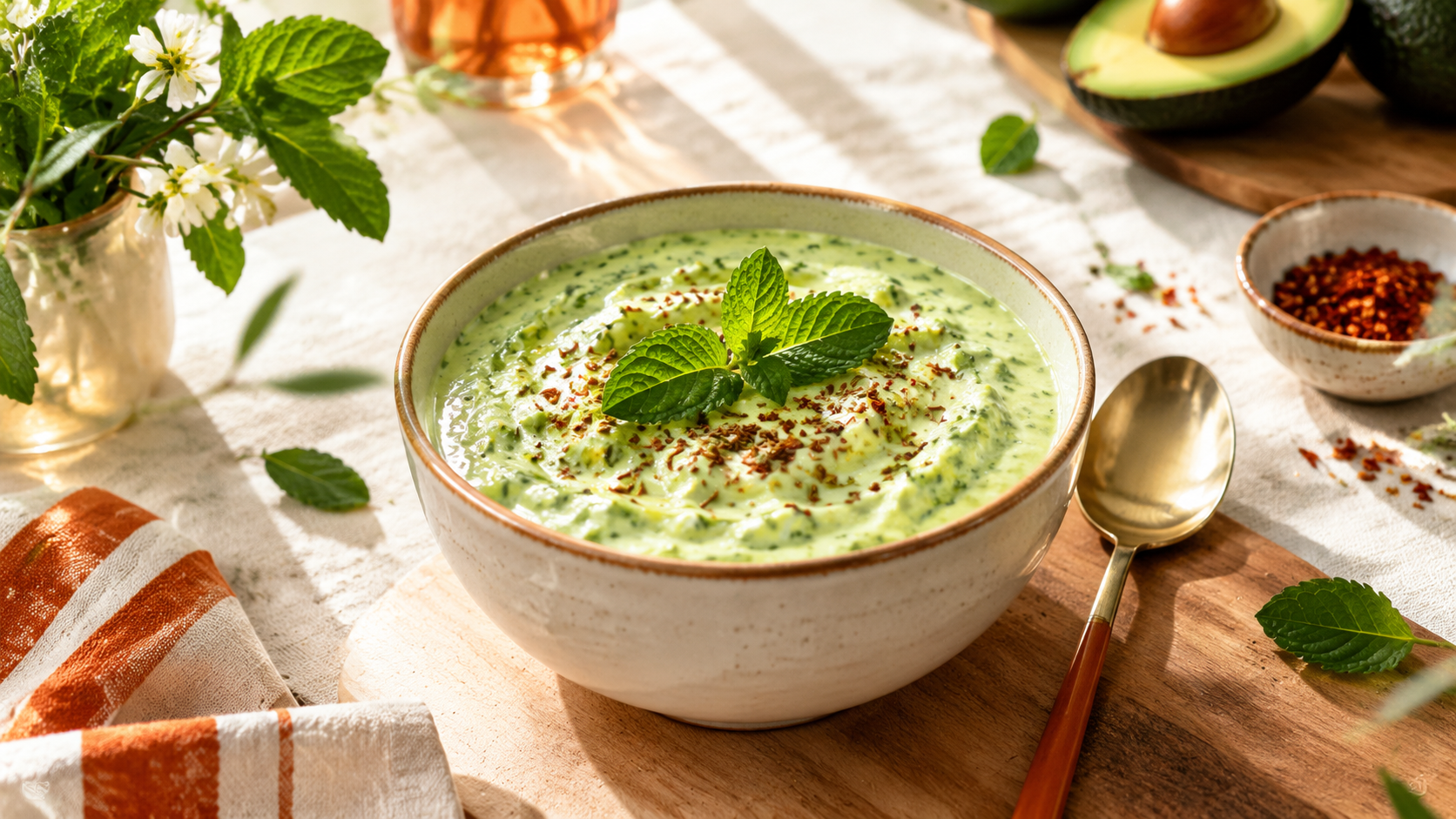
How to keep it creamy, not mushy
Use avocado here as a stand-in for extra malai, not as a vegetable chunk. That means texture matters more than perfect smoothness. A few tiny soft bits are fine. Big firm lumps are not.
Use thick yogurt, preferably chilled. If the yogurt is loose, the raita can become watery once the avocado is mixed in. Roasted cumin adds warmth and depth, while mint keeps the finish fresh. Go easy with both at first. Avocado has a quiet flavor, and too much spice can flatten it instead of lifting it.
This raita works especially well with biryani, pulao, stuffed parathas, and spicy sabzis because it cools the palate while adding satisfying body. It also fits naturally into plant-forward Indian meals and vegetable-led dinners.
-
Pick the right avocado. It should give slightly when pressed, like ripe kiwi or soft butter left out for a few minutes.
-
Mash before mixing. This prevents uneven chunks and helps the yogurt stay smooth.
-
Add acid carefully. A little lemon or lime can brighten the flavor, but too much can make the raita taste sharp instead of cooling.
-
Serve soon after mixing. Avocado tastes best when fresh, and the color stays prettier.
If your raita feels lumpy, the avocado was probably underripe. If it turns thin, the yogurt needed to be thicker.
2. The Five-Minute Avocado Chutney for Dosas and More
Many cooks make the same mistake with avocado chutney. They treat it like a cooked chutney from start to finish. That is where texture slips and flavor dulls.
The better method is simple. Blend avocado with cilantro, green chili, ginger, lime juice, and salt until creamy but still lively. Then make a quick tempering with mustard seeds, curry leaves, and a pinch of asafoetida, and pour that hot mixture over the chutney after blending.
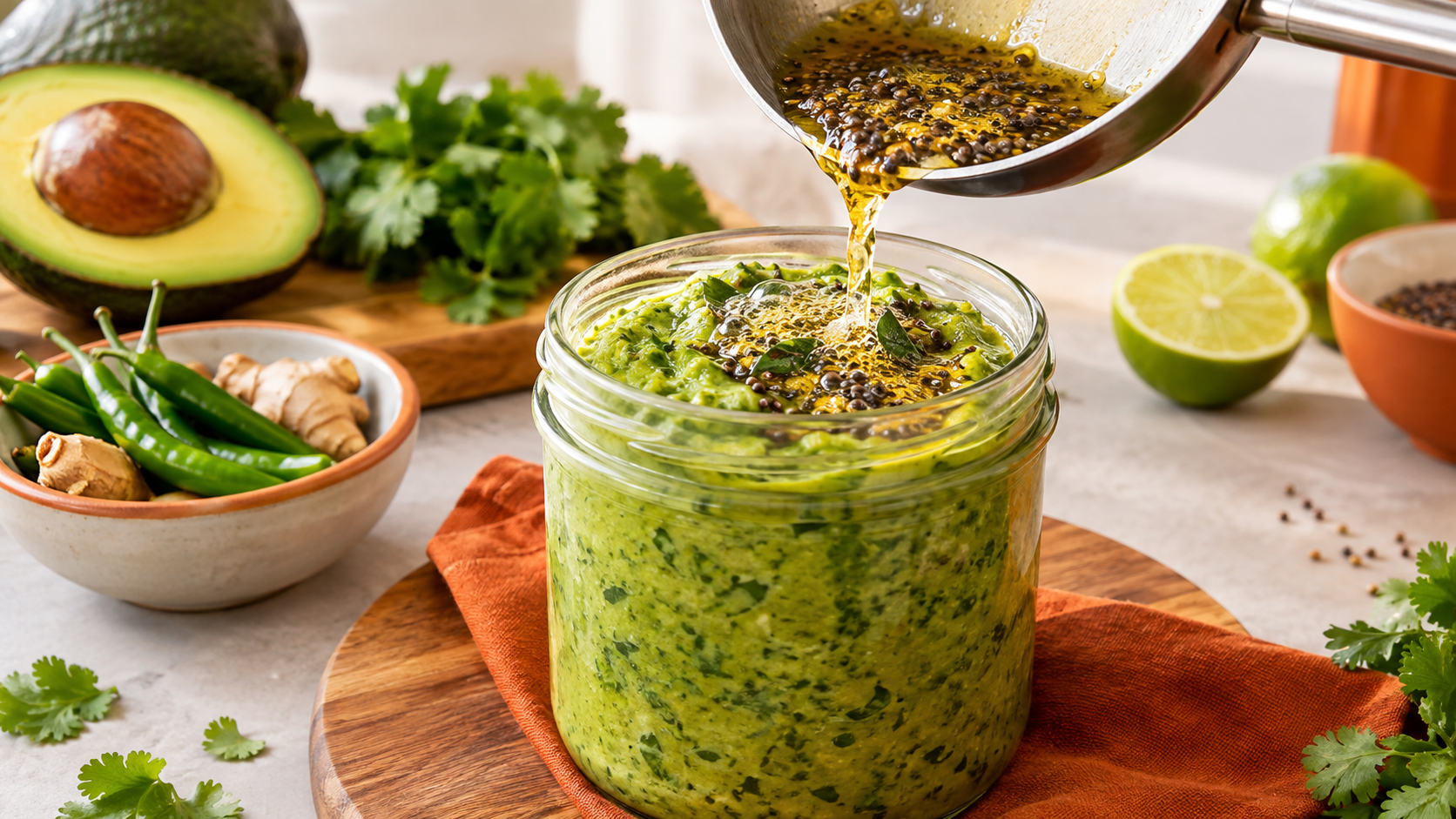
The tempering step that changes everything
This approach matches the technique gap described in a CNBC-TV18 report on avocado in Indian food, which notes that avocado is usually best added raw or at the end because prolonged heating can make it bitter and unpleasantly soft. That same report points to a useful Indian method: blend first, then pour hot tempering over the avocado mixture rather than cooking the fruit directly.
That gives the chutney two layers of flavor. The avocado stays fresh and creamy, while the tadka brings the familiar South Indian aroma of mustard seed and curry leaves.
-
Blend lightly. Stop when the chutney is smooth enough to spoon, not whipped into a thin puree.
-
Heat separately. Let the oil carry the flavor of mustard seed and curry leaves.
-
Fold, don't cook. Once the tempering hits the chutney, stir and serve.
This chutney belongs next to dosa and idli, but it also works as a sandwich spread or a dip for roasted vegetables. A rushed breakfast cook can make it in minutes if the ingredients are already washed and ready.
3. Blend a Nutrient-Packed Avocado Lassi
Some breakfasts ask too much of a busy morning. A good lassi does the opposite. It cools, fills, and comes together fast. Avocado slips into that role beautifully because it thickens the drink the way malai does, but with a fresher, lighter feel.
The trick is to treat avocado like a delicate finishing ingredient, not something to overpower with sugar or too much liquid. Start with ripe avocado, plain yogurt, a little honey or maple syrup, cardamom, and cold milk or water. Blend the avocado and yogurt first until fully smooth. Then pour in the liquid little by little. This gradual thinning gives you control, while dumping everything in at once can leave tiny bits behind and make the lassi feel rough on the tongue.
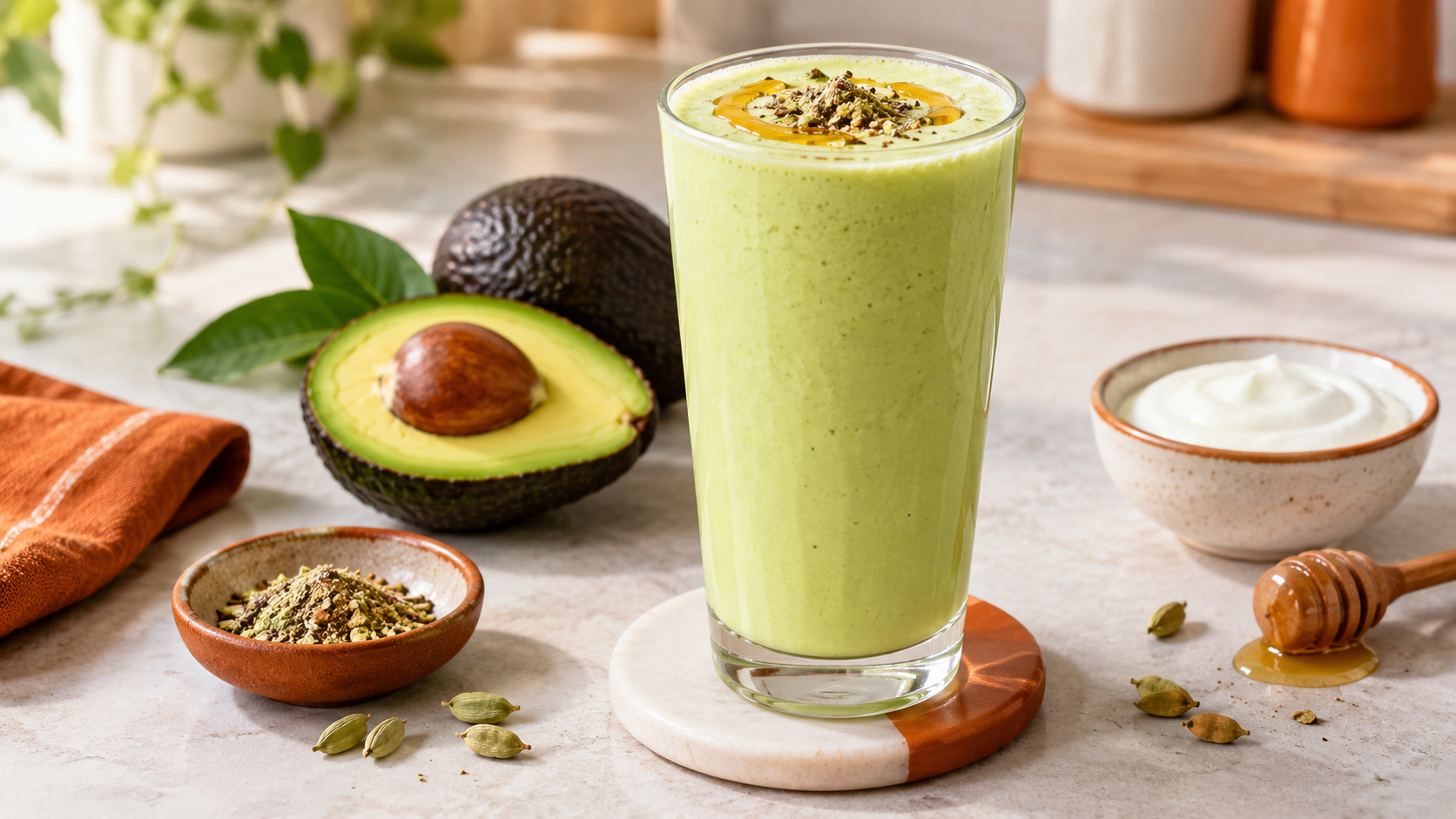
Keep it creamy, not heavy
A balanced avocado lassi should drink like lassi, not sit in the glass like dessert. Cardamom gives it an Indian flavor quickly. Saffron works too if you want a more festive version. Keep the sweetness gentle so the avocado's mild, buttery taste can still come through.
Temperature matters here more than many home cooks expect. Use chilled yogurt and cold liquid, then serve the lassi soon after blending. That keeps the texture loose and silky. If it waits too long, avocado can make the drink feel dense, almost spoonable.
This is one of the easiest avocado recipe indian ideas for a rushed day because there is no cooking and very little cleanup. It also fits neatly into a routine built around fast breakfasts for school mornings. Finish with a small pinch of cardamom on top, and stop there. Too many toppings can distract from the smooth, cooling simplicity that makes this work.
4. Give Street Food a Healthy Twist with Avocado Bhel
Bhel works because it thrives on contrast. Crisp puffed rice, sharp onion, juicy tomato, soft potato, tangy chutney, fresh herbs. Avocado can join that mix, but only if it is handled gently.
The right move is to dice the avocado and fold it in at the very end, after the chutneys have coated the rest of the ingredients. If it goes in too early, repeated stirring crushes it and the bhel loses its lively texture.
How to keep the crunch
A home cook making evening chaat can prepare onion, tomato, boiled potato, coriander, tamarind chutney, and green chutney ahead of time. Then the puffed rice goes into the bowl, the wet ingredients follow, and the avocado enters last with a light hand.
That timing matters because avocado is not replacing the whole identity of bhel. It is adding creaminess to a snack that is usually sharp and crisp.
-
Base layer. Mix puffed rice, onion, tomato, and potato first.
-
Chutney control. Use enough tamarind and mint chutney to coat, not soak.
-
Final fold. Add avocado cubes just before serving so they keep their shape.
This is a good example of adaptation rather than imitation. The fruit doesn't need to pretend to be sev, potato, or chutney. It adds a soft, rich note that works surprisingly well against tamarind and green chili.
5. Stuff Your Parathas with Creamy Avocado
A lot of home cooks try avocado paratha once, add it like aloo stuffing, and end up with a dough that sticks, tears, or cooks up heavy. The easier path is to change the role avocado plays. Here, it works less like a filling and more like a built-in softener for the dough, almost like a mash that brings both richness and moisture.
Mash ripe avocado straight into whole wheat flour with salt and a few Indian spices. Then pause before adding water. This step matters because avocado already carries enough softness to replace part of the oil and some of the liquid. If you add water by habit, the dough can go from smooth to tacky in seconds. Mix first, squeeze the dough together, and add extra water only a spoonful at a time.
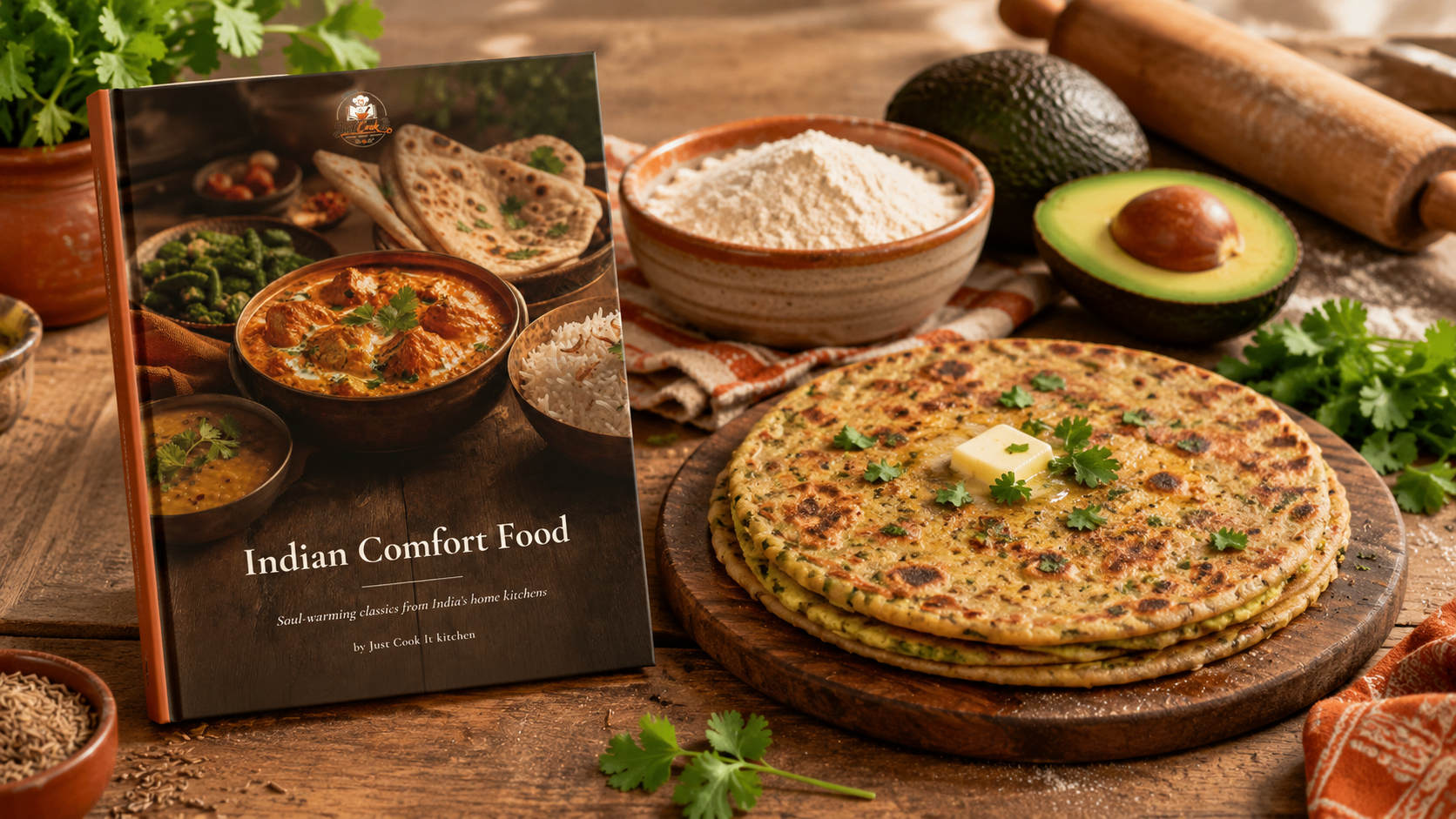
That is why paratha suits avocado so well. The flour shields the fruit, so it warms gently inside the bread instead of sitting on direct heat and losing its fresh, buttery character. As noted earlier, Indian cooks have adapted avocado into familiar dishes. Paratha is one of the smartest uses because the technique protects texture.
For readers who want more context on everyday Indian cooking, Indian Comfort Food | Digital PDF is a digital cookbook with 62 soul-warming classics from India's home kitchens.

Indian Comfort Food – 62 Soul-Warming Classics from India's Home Kitchens
Shop NowUse a ripe avocado that gives easily when pressed. A slightly overripe one is often better than a firm one because it blends into the flour without lumps. If the avocado is very rich and buttery, cut back on oil or ghee in the dough. If it is only barely ripe, mash it until completely smooth. Small chunks can create weak spots, and those spots often split while rolling.
How to keep the paratha soft, not gummy
The dough should have the consistency of a soft pillow, not a wet batter and not a stiff roti dough. Resting it for a few minutes helps the flour absorb the avocado evenly, which makes rolling easier and the final texture more tender.
Cook on medium heat. A very hot tawa can brown the outside before the inside is fully cooked, and that leaves the center pasty. Medium heat gives the wheat flour time to set while the avocado stays creamy in the background.
-
Dough feel. Aim for soft, smooth, and pliable. If it grabs your fingers, knead in a little more flour.
-
Seasoning. Cumin, coriander, ajwain, green chili, black pepper, and chopped cilantro all work well because they lift the mild flavor of avocado instead of burying it.
-
Rolling tip. Dust lightly with flour and press gently from the center outward. Too much pressure can force the soft dough to crack at the edges.
-
Pan finish. Flip after light brown spots appear. Add a little ghee near the end if you want a richer paratha with crisp patches.
Once you understand that avocado changes the moisture balance, this recipe becomes simple to repeat. The result should taste like paratha first, with avocado rendering it softer, creamier, and more satisfying.
6. Create a No-Cook Avocado Filling for Dosa
A dosa filling doesn't have to be the classic potato masala every time. Avocado can step in, but the batter is not the place for it. The better method is to make the dosa as usual and add a fresh avocado filling only after the crepe is hot and crisp.
Mash avocado with finely chopped onion, green chili, cilantro, salt, and lime juice. Spread that mixture onto the cooked dosa while it is still on the pan, then fold and serve right away. The heat from the dosa warms the filling slightly without fully cooking it.
Hot dosa, cool filling
This contrast is what makes the dish work. The dosa stays crisp at the edges, while the avocado remains creamy and fresh in the center.
A breakfast cook can use leftover chutney or podi on the side and skip any extra sauce. The filling is already rich, so it doesn't need much more than a little acid and heat from chili.
Avocado belongs on the dosa after cooking, not in the batter and not in a long-cooked masala.
This is also a useful answer to a common weeknight question. Can avocado go into a dosa meal without turning into a Western wrap? Yes, if the dosa remains the main structure and the avocado is seasoned in an Indian way.
7. Grill Quick Avocado and Paneer Tikka Skewers
This is the recipe that teaches restraint. Paneer, onion, and bell pepper can handle a full tikka treatment. Avocado can't.
The smart method is to marinate paneer and vegetables in yogurt, ginger, garlic, and tikka spices, then skewer and grill them first. Avocado chunks should be added only near the end, for a brief exposure to high heat. That gives a little warmth and a touch of char without collapsing the fruit.
Timing matters more than marinade
A cook using an oven broiler, grill pan, or outdoor grill can prepare the skewers in stages. Paneer and vegetables go on first. When they are nearly done, firm, just-ripe avocado pieces join for the last minute or two.
This respects the same heat boundary that matters in chutneys and curries. Avocado can tolerate a little roasting or baking, but not long cooking.
-
Paneer first. Let the dairy and vegetables take the stronger heat.
-
Avocado last. Add it when the rest is almost ready.
-
Serve fast. Warm avocado tastes best immediately, before it softens further.
For cooks who enjoy open-flame techniques and want more ideas for skewers, grills, and broilers, the publisher's backyard grilling cookbook fits the same practical style of cooking.
A platter of these skewers works well for guests because the avocado feels modern, but the seasoning still reads clearly as tikka.
8. Make a Rich Avocado Curry the Right Way
Technique matters most. A true long-simmered avocado curry often disappoints because the fruit loses its clean flavor and turns too soft. The better approach is to build the curry first, then add avocado after the heat is off.
A South Indian-style base works especially well. Temper mustard seeds, curry leaves, and perhaps garlic or chili. Add aromatics and a coconut milk or yogurt-based sauce, simmer until the base tastes complete, then switch off the heat and fold in diced avocado.
Warmed through, not cooked down
The avocado should sit in the residual heat only long enough to warm gently. That creates a rich finish without bitterness. It also keeps the cubes recognizable, which makes the dish feel intentional instead of muddy.
This method is useful for cooks who want a fuller dinner rather than a dip or side. Paneer, chickpeas, or lentils can sit underneath that curry base, while avocado becomes the final creamy element. A meal built around legumes or dairy also pairs naturally with high-protein dinner ideas when the goal is a more filling plate.
-
Build flavor early. The sauce must taste finished before avocado enters.
-
Kill the heat fully. Don't leave the pan simmering.
-
Stir carefully. Use a spoon, not a whisk, so the avocado pieces stay whole.
A home cook asking whether avocado can go into curry gets a better answer this way. Yes, but only at the end.
Indian Avocado Recipe Highlights
| Recipe | Main Ingredients | Best Served With | Key Technique |
|---|---|---|---|
| Avocado Raita | Avocado, yogurt, cumin, mint, chili | Biryani, spicy curries | Blend ingredients for a refreshing, cooling side |
| Avocado Chutney | Avocado, cilantro, green chilies, ginger, lime juice | Dosa, idli, sandwiches | Pour hot 'tadka' over blended chutney for infused flavor |
| Avocado Lassi | Avocado, yogurt, sweetener, cardamom | Breakfast, post-workout | Blend for a creamy, filling smoothie |
| Avocado Bhel | Avocado, puffed rice, onions, tomatoes | Snack, street food | Fold avocado into bhel puri mix for creamy texture |
| Avocado Paratha | Avocado, whole wheat flour, spices | Main dish, side | Mix avocado in dough for soft, rich parathas |
| Avocado Dosa Filling | Avocado, onion, chili, cilantro | Dosa | Spread fresh mash onto hot dosa for contrast |
| Avocado and Paneer Tikka Skewers | Avocado, paneer, bell peppers, onions | Appetizer | Add avocado last minute for slight char without mushiness |
| Avocado Curry | Avocado, coconut milk, tempered spices | Rice, naan | Stir in avocado at end to preserve flavor and texture |
Your Next Avocado Adventure
A lot of home cooks first treat avocado like a soft vegetable. That is where things go wrong. In an Indian kitchen, it behaves more like a finishing ingredient, closer to fresh coconut or thick yogurt than to potato or paneer.
That small shift in thinking makes avocado much easier to use well. Its creamy texture shines when you protect it from long cooking and pair it with flavors that wake it up, such as lime, yogurt, green chili, cumin, mustard seeds, mint, and curry leaves. Heat still has a place, but usually as a quick touch, not a long simmer.
The real skill is timing. Add avocado too early and it can turn dull, bitter, or pasty. Add it at the right moment and it brings richness without making a dish heavy. A good rule for home cooks is simple. If the dish is hot, let avocado come in near the end. If the dish is cool, use acid and salt to keep the flavor bright.
Ripeness matters just as much as seasoning. A very soft avocado is perfect for smooth mixtures and doughs because it disappears evenly. A slightly firm avocado holds its shape better in chaat-style dishes or quick pan and grill recipes. Different preparations call for different textures. The ingredient is the same, but the job is different.
This is also why avocado works best in Indian food when it supports familiar techniques instead of trying to replace them. Tempering, mixing, folding, stuffing, and finishing all suit it beautifully. Once you understand that, avocado stops feeling trendy and starts feeling useful.
Indian avocado dishes get easier when the surrounding flavors already feel familiar. Indian Comfort Food | Digital PDF shares 100 soul-warming classics from India's home kitchens, and that foundation helps avocado chutneys, raitas, parathas, and curries taste natural on the plate. Use it to build confidence with the Indian techniques that let avocado stay creamy, fresh, and full of flavor.