These are seven Japanese dessert recipes easy enough for that kind of kitchen, from a honey pancake sandwich to a jiggly cheesecake. Each one comes with a first-timer rating, a realistic time, the step that usually fails, and a pantry swap when shiratama-ko or mizuame isn't around. You can find top spots for wagashi later. Tonight, a skillet or a loaf pan is enough.
Japanese sweets didn't begin with ovens. The Japanese Ministry of Agriculture, Forestry and Fisheries says confectionery history reaches back before the Common Era, calls mochi one of Japan's oldest processed foods, and lists azuki, rice flour, sugar, agar-agar, sesame, matcha, and eggs as established ingredients. Steamed, pan-cooked, and chilled sweets are the forgiving ones. I'd cook whatever matches the bag you already own.
Table of Contents
- 1. Dorayaki (Red Bean Pancake Sandwiches)
- 2. Castella Cake (Nagasaki Honey Sponge)
- 3. Mitarashi Dango (Soy-Glazed Rice Dumplings)
- 4. Ichigo Daifuku (Strawberry Mochi)
- 5. Purin (Japanese Caramel Custard Pudding)
- 6. Japanese Cotton Cheesecake (Soufflé-Style Cheesecake)
- 7. Ichigo Shortcake (Japanese Strawberry Shortcake)
- How the seven Japanese dessert recipes compare at a glance
- Pick One Sweet Tonight and Build From There
1. Dorayaki (Red Bean Pancake Sandwiches)
Forgiving rating: high, if you can flip a pancake. Time: about 40 minutes, including a rest.
Dorayaki is two small honey sponges with sweet red bean paste, anko, in the middle. The batter is eggs, sugar, honey, flour, and baking soda. Convenience stores in Japan sell packaged ones year-round, and home cooks often swap the bean paste for chocolate-hazelnut spread when that's what's open.
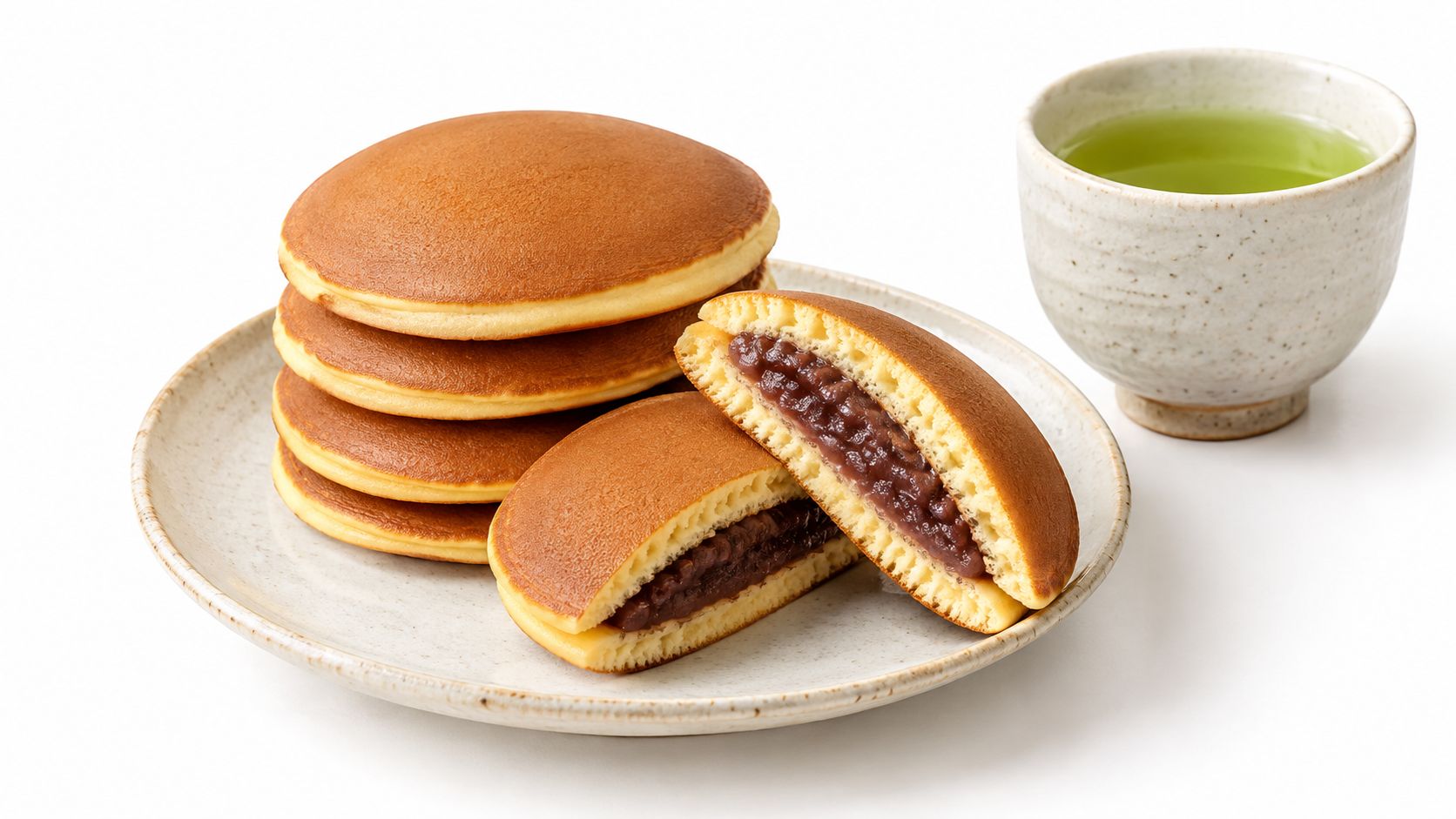
Same-day: rest the batter 15 to 30 minutes, cook, fill, and eat warm. Make-ahead: wrap cooled sandwiches in plastic so they stay soft into tomorrow.
The Flip Is the Failure
The cakes scorch or stay pale in the middle when the pan is too hot or too oily. Use medium-low heat and a light brush of oil between batches. Wait for small bubbles, then turn. Pair rounds by size so the filling doesn't squeeze out.
Practical rule: If the first cake is dark in under a minute, drop the heat before you cook the rest.
Say you're feeding two people after lunch. Cook eight small rounds, fill the four best pairs, and keep the odd cake for the cook. More weeknight Japanese cooking, not just sweets, sits in this Japanese home cooking recipe guide.
2. Castella Cake (Nagasaki Honey Sponge)
This one is less forgiving than pancakes, and it's still worth the loaf pan. Castella is a fine, springy honey sponge tied to Nagasaki, built from eggs, sugar, flour, and honey or mizuame. Shops such as long-running Nagasaki bakers sell it as a souvenir. At home, a standard 8 by 4 inch pan is the right size.
Rating: moderate. Time: about 20 minutes of mixing, then a slow bake, plus an overnight wrap if you can wait.
Whip eggs and sugar over a warm water bath until the foam is thick and pale. Fold the flour in a few strokes. Overmixing makes a tight, rubbery crumb, and that's the step that fails. Bake low. Rest 10 minutes in the pan, then unmold.
Mizuame swap: honey works. Don't treat starch syrup and honey as identical by the spoon, because honey browns faster and tastes stronger. Use a little less honey than the syrup amount and watch the color.
Make-ahead beats same-day. Wrap the cooled cake tightly and slice it the next day, or even after two days. The crumb drinks in moisture and stops tasting dry at the edges. A same-day slice is fine with tea. It just won't have that souvenir-shop bounce yet.
If the water-bath whip feels fussy, this beginner cake method covers the egg-foam habits that also save a castella.
3. Mitarashi Dango (Soy-Glazed Rice Dumplings)
For a first Japanese sweet, mitarashi dango is a good bet if rice flour is already in the pantry. The chewy balls take little shaping, and the soy glaze is quick to make. Serve them warm with green tea. A pinch of ginger is an optional home-style twist.
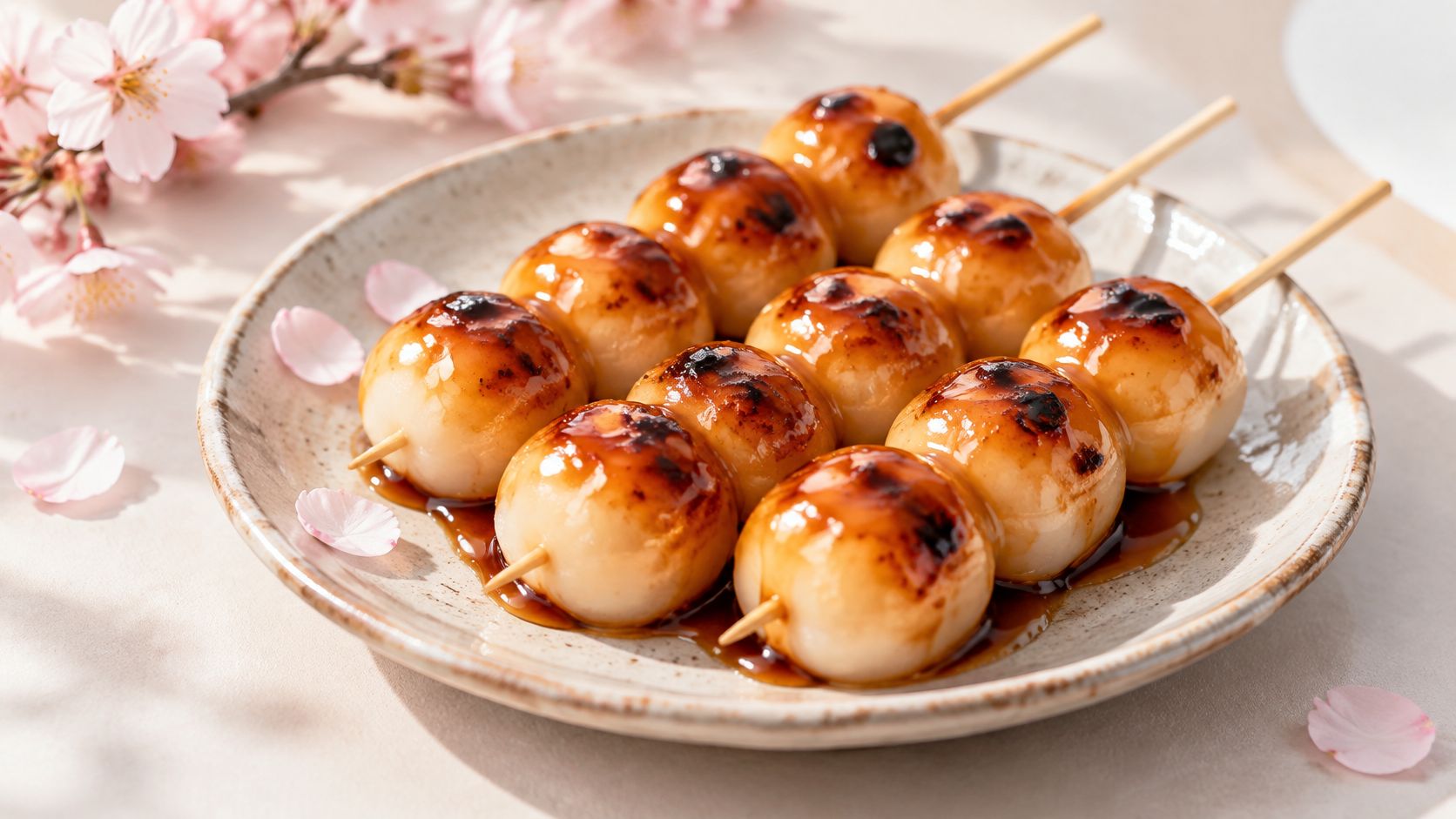
Rating: forgiving for a first-timer, provided the dough is smooth. Time: under an hour. Dango are best the day they're cooked, since chilling makes them stiff. To get ahead, boil the balls, cover them at room temperature for a few hours, then glaze just before serving.
Boil Until They Float
Knead shiratama-ko with water until the dough is smooth and pliable, then keep it covered while you shape the balls. Drop them into boiling water and lift them out once they float. A quick ice-water bath firms them up. Lumps are the main trouble spot: uneven dough can split in the pot. The glaze can also turn candy-like if boiled too hard.
Cook soy sauce, sugar, and a starch slurry over low heat, stirring until thick. A brief pan-sear adds a little color and crust, without needing a grill.
Shiratama-ko swap: glutinous rice flour, or mochiko, works in a pinch, while ordinary rice flour lacks the stretch dango needs. The glaze uses pantry staples, so there's no need to find mizuame. For a tangy dip alongside the sweet soy glaze, try a little citrus; this ponzu primer explains the sour-salty flavor. If you're serving a dessert spread, seasonal chocolate treats from Japan offer another sweet option.
4. Ichigo Daifuku (Strawberry Mochi)
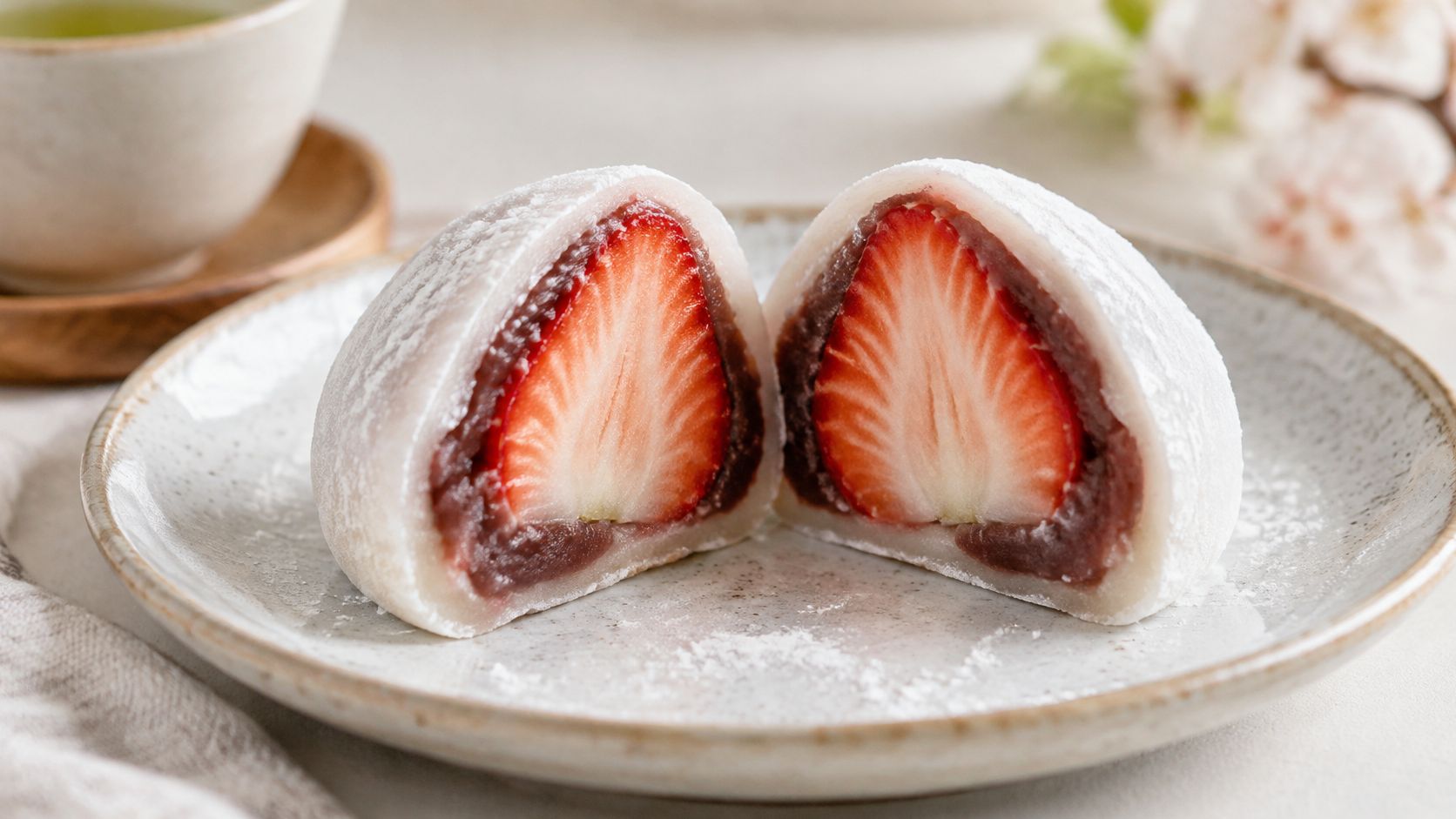
A ripe berry can turn ichigo daifuku into a leaky mess if its surface is damp. This sweet wraps a whole strawberry and a dab of anko in soft mochi. The microwave method is quick, but sticky dough needs careful handling.
Rating: medium. The ingredients are simple; wrapping takes practice. Time: about 30 minutes for a small batch.
Pat firm, medium berries thoroughly dry. Microwave glutinous rice flour, sugar, and water in 30 to 60 second bursts, stirring until the dough looks translucent. Dust your hands and counter with cornstarch before handling it. The most failure-prone step is wrapping: damp fruit or dough that is too sticky can tear the mochi and let the filling leak.
Dust more cornstarch than feels polite. Brush off the excess afterward. A torn wrapper is harder to fix.
Make these the day you serve them. If the kitchen is hot, wrap the daifuku and chill them briefly. A long stay in the fridge makes mochi firm and dull. For a party, use small berries and box the finished sweets that afternoon.
Flour swap: shiratama-ko gives the softest texture. Mochiko alone makes a denser dough. A home dessert write-up notes that regular rice flour lacks the starch needed for mochi's stretch, and suggests a 70:30 mochiko to potato starch blend for a softer bite. Treat that as a pantry workaround, not a cup-for-cup swap: adjust the water until the dough is smooth, not soupy. For more everyday Japanese recipes, see the Japanese Home Kitchen digital PDF cookbook.
5. Purin (Japanese Caramel Custard Pudding)
Purin is the dessert I'd hand a nervous baker. Eggs, milk, and sugar, a bitter caramel cap, and a water bath. It's firmer and more eggy than a French crème caramel. Cafes serve it with cream and fruit. Single-serve cups, in the style of Glico's Pucchin Purin, are the home version in ramekins.
A 2025 Nutrients analysis of 120 recipes from NHK's Today's Cooking classed 18 as non-dishes, including desserts. Sweets already live inside ordinary Japanese home cooking. Purin is that kind of recipe. A saucepan, a whisk, and an oven are the whole kit.
Rating: high, if you own patience. Active time: about 25 minutes. Chill: at least 3 hours, so start after lunch if you want it tonight. There's no good same-hour shortcut. A warm custard won't unmold.
Strain It or It Won't Be Silky
Whisk, then strain. Egg threads are what make purin grainy, and you can't bake them out. Cook the caramel to deep amber and pull it before it smells sharp. It keeps darkening in the hot pan. Bake low in a water bath until the center barely jiggles. Run a thin knife around the edge, then invert.
No specialty syrup needed. White sugar is the caramel. If you only have dark brown sugar, the custard will taste molasses-heavy, so save that bag for another bake. Individual ramekins fail less often than one big dish, because the edges and the center finish closer together.
6. Japanese Cotton Cheesecake (Soufflé-Style Cheesecake)
Cotton cheesecake is the jiggly one, lighter and less sweet than a New York cheesecake. Cream cheese, yolks, and whipped whites go into a low oven over a water bath. Uncle Tetsu built a shop reputation on this texture. Home bakers often fold in matcha or yuzu once the plain version works.
Rating: low for a first dessert, fine as a second project. Time: plan a few hours, mostly cooling. This is a make-ahead cake. Same-day serving means you started in the morning.
Soften the cream cheese until a spoon leaves no lumps. Stiff, glossy whites, folded in three additions, are the whole texture. The failure is deflated foam, or a water bath that leaks because the pan wasn't foiled. Cool in the oven with the door ajar so the top doesn't split.
Watch the jiggle once before you commit to a bake. The motion is the doneness cue, not a dark crust.
Pantry reality: there's no mizuame here, and no rice flour. If cream cheese is the hard item, don't swap in yogurt and expect the same lift. The batter will be wetter and the cake will sink. A 6-inch pan is easier to protect in a bath than a wide springform. Matcha goes into the yolk base, not the whites, or you'll knock the air out while you chase green streaks.
7. Ichigo Shortcake (Japanese Strawberry Shortcake)
Ichigo shortcake pairs soft vanilla sponge with lightly sweetened whipped cream and strawberries arranged around the outside. In Japan, it is a Christmas cake sold by bakeries and convenience stores through winter. The sponge is usually a genoise, which takes care and precise folding. For a first attempt, a bakery sponge is the more forgiving choice. You can focus on the cream and fruit instead.
Rating: easy with a ready-made sponge, moderate if you bake the genoise. Time: about two hours, including baking and cooling. Bake or buy the sponge in the morning, chill the cream, then assemble in the afternoon. The assembled cake is best frosted close to serving.
Brush each layer with a thin coat of sugar syrup. Too much makes the crumb soggy. Keep the cream and bowl cold while whipping, and stop when the cream holds a peak on the whisk. That firm texture helps the cream stay in place as you finish the sides. Cut the strawberries evenly so the outside looks neat.
What doesn't swap cleanly: the classic cake uses wheat sponge and dairy cream, so it is not naturally gluten-free or dairy-free. Coconut cream can replace the dairy filling, though it may set more loosely. Agar can help firm a coconut-based filling, but it will not make the sponge gluten-free. If you need a plant-based Japanese-style dessert, kanten jelly is a better fit than trying to adapt every part of shortcake. For a first-timer, start with a ready-made sponge and make the cream yourself.
How the seven Japanese dessert recipes compare at a glance
Use the ratings and times below to choose a first attempt. The main trade-off is hands-on work versus waiting: custards and cakes need time to bake and cool, while rice dumplings and mochi call for close attention during shaping.
| Item | Difficulty | Time Required |
|---|---|---|
| Dorayaki (Red Bean Pancake Sandwiches) | Easy | About 40 minutes, including batter rest |
| Castella Cake (Nagasaki Honey Sponge) | Easy to Moderate | About 20 minutes of mixing, plus baking and cooling |
| Mitarashi Dango (Soy-Glazed Rice Dumplings) | High | About 30 minutes |
| Ichigo Daifuku (Strawberry Mochi) | Medium | About 30 minutes |
| Purin (Japanese Caramel Custard Pudding) | High if you own patience | About 1 hour, plus 3 hours chilling |
| Japanese Cotton Cheesecake (Soufflé-Style Cheesecake) | Moderate | A few hours, including baking and cooling |
| Ichigo Shortcake (Japanese Strawberry Shortcake) | Moderate | About 2 hours, including baking and cooling |
Dorayaki is the easiest place to start if you want a same-day sweet with familiar pancake technique. Dango's shaping and cooking take more care than its short time suggests. Daifuku is manageable with attention to the mochi, while purin is simple to mix but relies on patient chilling. Castella and cotton cheesecake demand more time for baking and cooling, and shortcake adds careful assembly. For hard-to-find ingredients, choose a recipe whose method suits a pantry substitution rather than assuming every swap behaves the same way.
Pick One Sweet Tonight and Build From There
Choose by what you have on hand. Dango is a sensible first try if you have glutinous rice flour; Purin suits a cupboard with eggs, milk, and sugar. Choose Dorayaki if you want a familiar pancake-style method. For a first-timer, dorayaki is the most forgiving starting point: cook one pancake first and adjust the pan heat before making the rest. Purin needs a gentle bake and enough chilling time, while dango is best served soon after cooking.
Japanese sweets have a wider market too. A Sweets & Snacks World feature reports that Japan's confectionery sales reached approximately 3.4 trillion yen, about US$30.6 billion, in 2018, and exports rose to 30.5 billion yen that year. For tonight, focus on one repeatable method rather than the scale of the industry.
Plan around the dessert's timing. Dorayaki and dango can be made and served the same day. Purin needs time to chill, so make it ahead if serving after dinner. Once you have one recipe you can repeat, move on to cotton cheesecake or strawberry shortcake when you have time to manage the oven and cooling.
Keep a recipe card with the method you chose and a note of any pantry substitution. That makes the next attempt easier to reproduce, especially when an ingredient is hard to find.
For a savory dish to serve alongside dessert, Japanese Home Kitchen is a digital PDF cookbook from Just Cook It, with 55 everyday Japanese recipes. It is readable on any device with a free PDF reader.