When time is short, 30-minute dinners work best with ingredients that cook quickly and require little prep. These 30 minute dinner ideas focus on simple combinations, minimal cleanup, and recipes that don't need constant attention. Choose a meal based on what you have and how much time you can spend cooking.
The good news is that “quick dinner” doesn't always mean barely making it under the wire. Some weeknight meals are much faster. Bean and cheese tacos can land on the table in as little as 12 minutes, and quesadillas can be done in 15 minutes. That matters because it changes how you plan. Not every fast meal belongs in the same bucket. Some are true under-15-minute saves, while others are better when you've got a little more room to chop, simmer, or roast.
These 15 30 minute dinner ideas are organized by cooking method and flavor direction so you can choose what fits tonight. Some lean Mediterranean, some Japanese, some Mexican, some broader pan-Asian or Balkan-inspired. All of them work best when you respect the clock. Start the grain first, keep substitutions practical, and avoid recipes that hide extra steps behind a short headline.
Table of Contents
- 1. Sheet Pan Dinners
- 2. Stir-Fry and Wok Cooking
- 3. Pasta with Quick Sauces
- 4. Tacos and Hand-Held Meals
- 5. Grain Bowls Rice Quinoa Couscous
- 6. Skillet and One-Pot Meals
- 7. Sandwich and Bread-Based Meals
- 8. Soup and Broth-Based Meals
- 9. Frittatas and Egg-Based Dinners
- 10. Slow-Cooker and Pressure Cooker Shortcuts
- 11. Noodle and Noodle Bowl Dishes
- 12. Grilled or Seared Protein with Quick Vegetables
- 13. Curry and Spiced One-Pot Meals
- 14. Seafood Quick-Cook Preparations
- 15. Salad-Based Dinners with Protein and Grains
- 30-Minute Dinners: 15-Option Comparison
- Your Next 30 Minute Dinner Starts Now
1. Sheet Pan Dinners
Sheet pan dinners earn their place on busy nights because they trade constant stirring for smart setup. A Mediterranean tray of salmon, tomatoes, and olives works when you want something bright. A teriyaki chicken pan with broccoli and carrots leans comforting and familiar. Mexican chorizo with peppers and black beans cooks well this way too, especially when you want bold flavor without juggling three burners.
The catch is simple. If the vegetables aren't cut to similar sizes, dinner won't finish together. Dense carrots, quick-cooking broccoli, and thinner fish fillets all behave differently, so the prep matters as much as the oven.
Build the Tray for Even Cooking
- Put heavier items in the center: Chicken thighs, sausage, or thick fish fillets brown best where heat is strongest.
- Preheat the sheet pan if you can: It helps vegetables start roasting instead of steaming.
- Use parchment for easier cleanup: It also keeps sticky glazes from welding themselves to the pan.
Practical rule: Sheet pan dinners are fast only when everything is cut with the same finish line in mind.
For Japanese weeknight variations, Japanese Home Kitchen – 55 Everyday Recipes from the Heart of Japan focuses on everyday home meals built around a small pantry of essentials like soy sauce, miso, mirin, sake, dashi, rice vinegar, and sesame, which fits this style of simple tray cooking well.
2. Stir-Fry and Wok Cooking
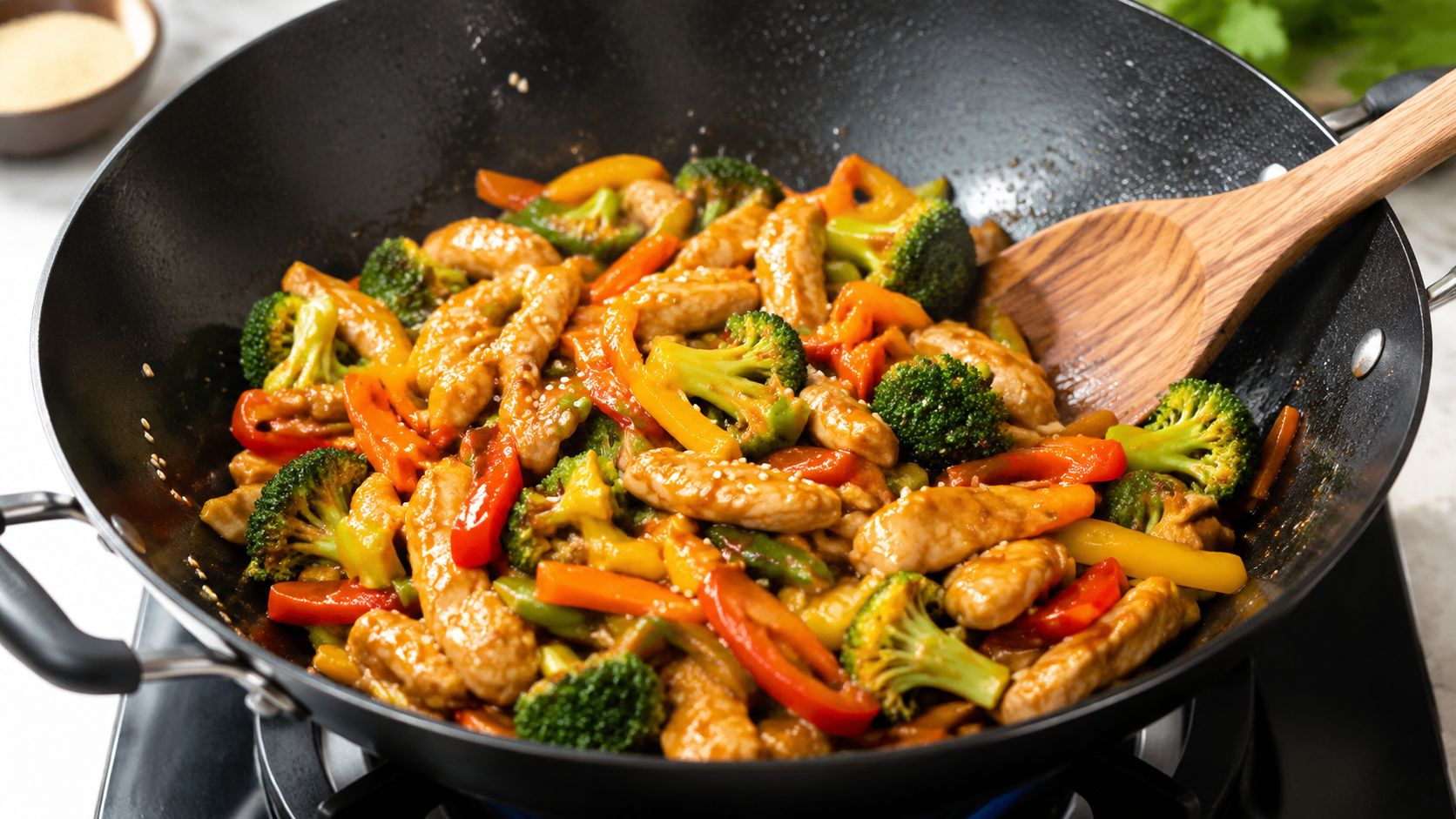
Stir-fry is one of the most dependable 30 minute dinner ideas because the stove does the work fast, but only if you do the prep first. Chicken teriyaki with broccoli and ginger, beef with peppers and oyster sauce, or tofu with sesame sauce all come together quickly once the pan is hot.
A wok or large skillet gives you very little forgiveness. Stop to slice garlic after the oil is hot and you've already lost the rhythm.
A good visual reference helps if you want the texture right.
Prep Before Heat
Keep every ingredient within reach before the burner goes on. Slice protein thinly, cut vegetables into bite-sized pieces, and mix the sauce in a cup. Then cook the protein first, remove it, and finish the vegetables before combining everything at the end.
What works well:
- Use high enough heat: You want quick browning, not a pan full of liquid.
- Add sauce late: Most stir-fry sauces burn if they sit too long in a hot pan.
- Serve immediately: Stir-fry waits badly. Vegetables soften and noodles or rice cool off fast.
A quick demo can help with movement and timing.
3. Pasta with Quick Sauces
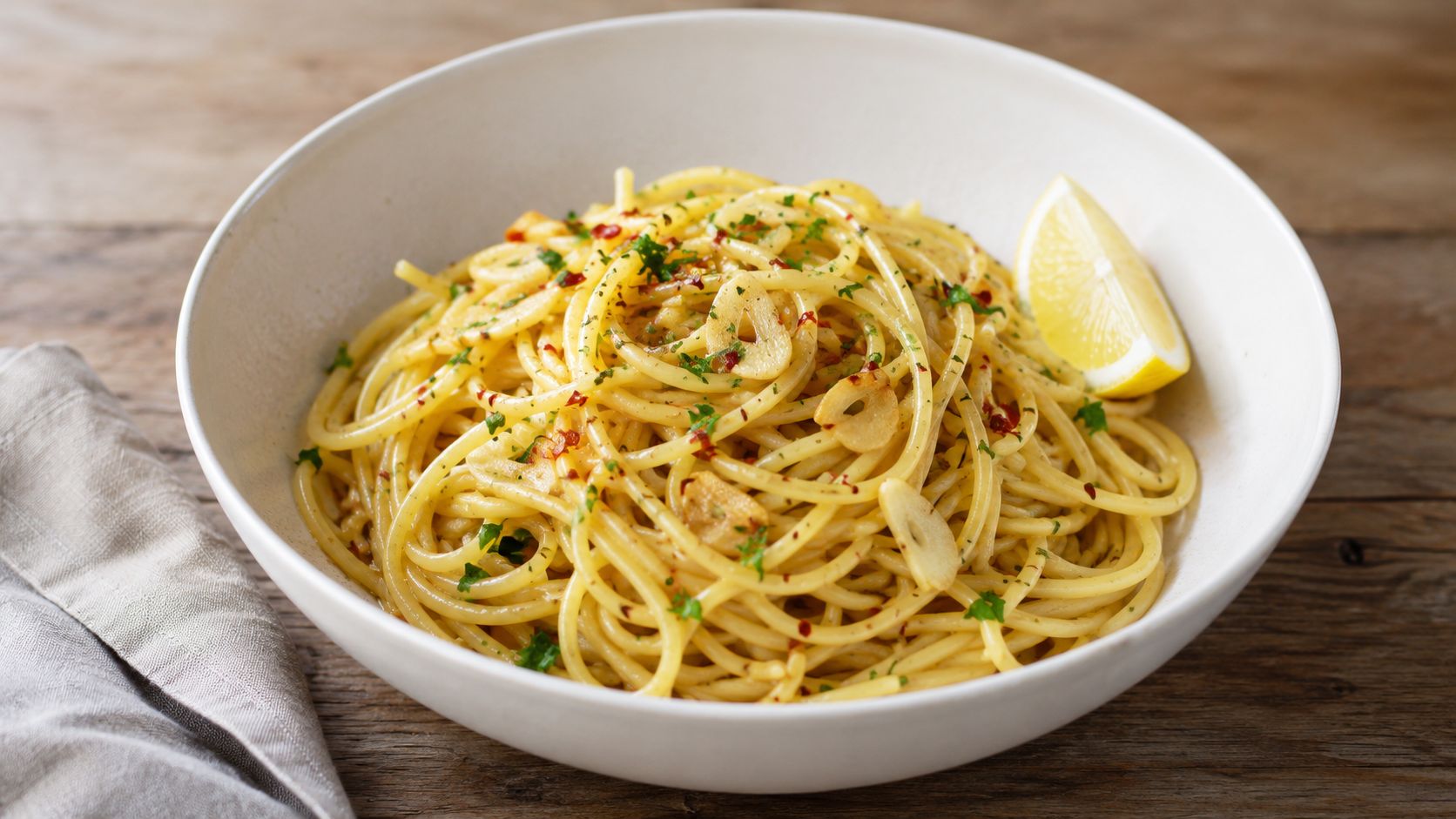
Pasta solves dinner because dried noodles are predictable and pantry-friendly. Aglio e olio, cacio e pepe, miso spinach pasta, or a quick creamy mushroom sauce all work on a real weeknight because you can build the sauce while the water comes to a boil.
The mistake people make is waiting for the pasta to cook before starting everything else. That's how a quick dinner stretches longer than it should.
Make the Sauce While the Water Heats
Garlic, olive oil, black pepper, mushrooms, tomato paste, miso, spinach, lemon, grated cheese. These all move quickly. Start with the aromatics, then hold the sauce just short of done until the pasta is ready.
A few trade-offs matter here. Fresh herbs brighten fast sauces, but they're optional if the fridge is bare. Good olive oil and reserved pasta water do more work than extra ingredients. Tossing pasta in the sauce, rather than spooning sauce over a bowl of noodles, gives you a more even result and a better texture.
Quick pasta is rarely about complexity. It's about getting starch, fat, salt, and a fresh finish into balance before the noodles overcook.
4. Tacos and Hand-Held Meals
You get home late, everyone is hungry, and standing over the stove for half an hour sounds worse than ordering takeout. This is the night for hand-held dinners. Tacos, lettuce cups, pita wraps, and quesadillas work because they break dinner into two jobs: cook one fast filling, then let the table handle the rest.
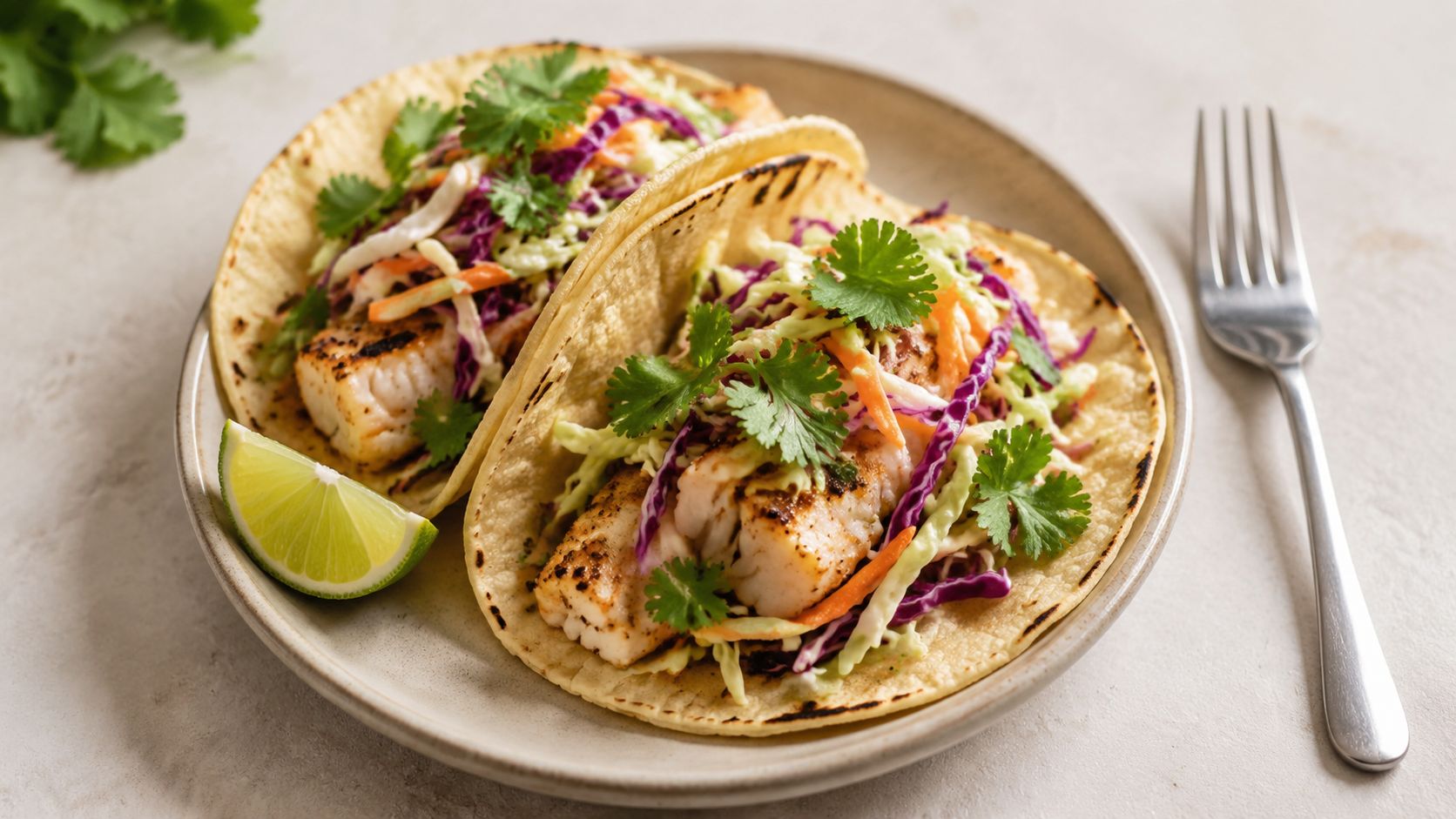
This category also gives you range without adding much time. Go Baja-style with flaky fish and cabbage. Make Korean-inspired beef with a quick cucumber topping. Use falafel and tzatziki for a Mediterranean wrap, or crisp up shredded pork for a carnitas-style taco. The method stays the same even as the flavor profile changes.
Keep Fillings Fast and Toppings Simple
Start by warming the tortillas or bread. Then cook the filling. Then put out the toppings. That order matters because cold tortillas and a cluttered counter slow everything down at the end.
The fastest hand-held meals use one main filling and two or three toppings, max. I keep the trade-off simple here. A sharp slaw or quick sauce adds more than a fourth topping ever does. If you try to add crema, salsa, pickled onions, guacamole, and a side dish on the same night, prep time spreads out fast.
- Use fillings that cook in minutes: Ground beef, chorizo, shrimp, black beans, refried beans, rotisserie chicken, and flaky white fish all fit the timeline.
- Build around one strong sauce: Chipotle yogurt, lime crema, tahini, salsa verde, or gochujang mayo can carry a simple filling.
- Prep toppings while the pan heats: Sliced onion, lime wedges, shredded cabbage, cilantro, and cucumber are enough.
- Use make-ahead shortcuts: Bagged slaw mix, pre-shredded cheese, canned beans, and leftover cooked meat keep this category weeknight-friendly.
Bean and cheese tacos are the speed play when the pantry is doing most of the work. Quesadillas are just as practical, especially for nights when you want less assembly and easier cleanup. Use a skillet, keep the heat moderate, and let the cheese melt before pushing for extra browning. That gives you a crisp outside and a center that holds together when sliced.
Hand-held meals are one of the easiest 30 minute dinner ideas to repeat often because the cooking method stays steady while the flavors change. Once you have the format down, you can switch cuisines with whatever protein, sauce, and vegetables you already have.
5. Grain Bowls Rice Quinoa Couscous
Grain bowls work best when you treat them like a timing puzzle. Start the grain, then build everything else around it. Couscous is ideal for the shortest nights. Rice and quinoa are great when you can stay organized and cook the toppings in parallel.
A Mediterranean bowl with chickpeas and tahini feels fresh. A Japanese-style bowl with tofu and pickled vegetables feels clean and balanced. A Balkan couscous bowl with roasted vegetables and feta is especially good when the fridge has small leftovers that need using up.
Start with the Base
The grain decides the pace of the meal. If you start chopping vegetables before the pot is on, you lose easy minutes.
What works:
- Pick one hot element and one cool element: Warm grains with crisp cucumber or dressed greens give contrast.
- Use canned beans or pre-cooked protein: Bowls are forgiving, so this is a smart shortcut.
- Make the sauce early: Tahini dressing, yogurt sauce, sesame dressing, or lime vinaigrette pulls scattered components together.
A bowl can look ambitious while staying practical. That's why it's such a reliable category for 30 minute dinner ideas. You get flexibility without having to follow a rigid formula.
6. Skillet and One-Pot Meals
A one-pot dinner is for nights when cleanup matters almost as much as speed. Chilaquiles with eggs, a donburi-style rice skillet, chicken paprikash, or a quick pan rice with seafood all reward cooks who add ingredients in the right order.
This method doesn't hide mistakes. If onions scorch early or the pan dries out midway, the whole dish tastes flat or harsh. But when you build in layers, one pot can taste much more developed than the clock suggests.
Layer Flavor in the Right Order
Start with fat and aromatics. Then add the ingredient that needs browning, followed by vegetables, spices, grains, or liquid depending on the dish. Deglazing between steps is one of the easiest ways to deepen flavor without adding time.
One-pot cooking only feels easy when the pan never gets crowded and the liquid stays under control.
A practical example is a donburi-inspired skillet. Sauté onion, add thinly sliced chicken, pour in a simple savory sauce, then finish with eggs and serve over hot rice. It's fast, comforting, and doesn't ask much from the cook beyond staying attentive.
7. Sandwich and Bread-Based Meals
Bread-based dinners are underrated because people often treat them like lunch. Done properly, they're complete meals. A Mexican torta with chorizo and avocado, an Italian panini with mozzarella and tomato, a Balkan-style open-faced cheese sandwich with herbs, or a Japanese katsu-inspired sandwich can all carry dinner.
The trade-off is that bread has to stay structurally sound. If it goes soggy, the meal feels thrown together even when the fillings are good.
Bread Needs a Job
Toast it lightly. That small step gives you texture and creates a barrier against wet fillings. Spreads help too. Mayo, butter, pesto, kajmak-style dairy spread, mustard, or hummus keep bread from absorbing everything else too fast.
- Use contrast on purpose: Crunchy vegetables, soft protein, and a sharp spread create balance.
- Keep hot fillings compact: Don't overload the sandwich and force everything out the sides.
- Prep while the bread toasts: Sandwich dinners win on overlapping tasks.
When time is tight, bread-based meals often beat heavier skillet recipes because the cooking can stay very minimal. A sandwich doesn't need to prove anything. It just needs enough texture, seasoning, and substance to feel like dinner.
8. Soup and Broth-Based Meals
Soup is one of the most useful answers when you want comfort without a long simmer. Miso soup with tofu, tortilla soup, a quick vegetable and bean soup with paprika, or coconut curry broth with shrimp can all taste satisfying fast if the base is solid.
Start with a broth you enjoy. If the broth is weak, no amount of garnish will fix it. Then cut vegetables to uniform size so they cook at the same pace.
Broth First, Garnish Last
A quick soup usually benefits from restraint. Choose a few ingredients that make sense together and let the broth carry the dish. Beans, tofu, shredded chicken, noodles, greens, mushrooms, and soft herbs are all good weeknight choices because they don't need aggressive cooking.
For readers who want another broth-based option, this Cantonese wonton soup recipe is a useful reference point for a lighter, soup-forward dinner.
A broader issue with quick dinners is timing transparency. Hidden prep steps are a common reason cooks get frustrated, and a discussion about truly fast home-cooked meals on Reddit reflects how often people rely on parallel cooking without clearly explaining the workflow. Soup is easier when you keep the sequence simple. Pot on, broth in, firm vegetables first, quick ingredients last, garnishes at the table.
9. Frittatas and Egg-Based Dinners
Egg dinners save evenings because they turn small amounts of vegetables, cheese, or leftover meat into something complete. A tomato and feta frittata, a chorizo and pepper version, or a mushroom and dill skillet all work well when the refrigerator looks scattered.
The only part that regularly goes wrong is moisture. Raw vegetables release water into the eggs and leave the center loose, pale, and bland.
Cook the Fillings Before the Eggs Go In
Sauté the vegetables first, especially mushrooms, onions, peppers, or greens. Then whisk the eggs with seasoning and a splash of milk if you like a softer texture. Pour over the hot fillings and cook gently.
If your skillet is oven-safe, a short finish in a hot oven helps set the top without overcooking the bottom. Air frying can also speed up dense ingredients. In quick-cook workflows, air frying at 400°F for 12 to 15 minutes and microwave pre-cooking dense vegetables can reduce active cooking time by 40% compared with conventional oven roasting. That's especially useful if potatoes or firmer vegetables are part of the plan.
Eggs cook fast, but vegetables don't. Handle those two truths separately and the dinner gets much easier.
10. Slow-Cooker and Pressure Cooker Shortcuts
Pressure cookers are best when you want the flavor profile of a longer-cooked dinner without standing over the stove. Risotto, bean chili, curry, and some pasta dishes all adapt well. Slow cookers are different. They're good for planning ahead, not for rescuing a hungry household in half an hour.
That distinction matters. People lump these appliances into “quick dinner” when they really serve different jobs.
Use Appliances for Compression, Not Miracles
Use the sauté function first when you can. Browning onions, garlic, or protein before pressure cooking gives the final dish more depth. Then be disciplined with liquid. Too much turns dinner soupy. Too little risks scorching.
A good companion resource for this style is this guide to easy slow cooker meals, especially if you're trying to reduce active evening cooking.
Pressure cooking shines most when the meal would normally take longer on the stovetop. Slow cooking shines when you know by midday what you want for dinner. If you don't decide until 6 p.m., reach for another method on this list.
11. Noodle and Noodle Bowl Dishes
Noodles are fast, forgiving, and easy to adapt across cuisines. Lo mein with vegetables, a quick ramen bowl with egg and green onion, pad thai-style noodles with shrimp, or a Mediterranean noodle salad all fit into a busy weeknight rotation.
The timing problem is almost always the same. The noodles finish before the toppings or broth, then sit too long and lose their texture.
Don't Let the Noodles Wait
Cook noodles in separate salted water and drain them close to serving time. Have the sauce, broth, or stir-fried components ready first, or nearly ready. Then the final assembly happens fast and cleanly.
A few practical moves help:
- Reserve some noodle water: It can loosen a sticky sauce or soften a broth base.
- Prep toppings early: Eggs, scallions, herbs, cucumbers, or crushed peanuts should already be set out.
- Serve immediately: Noodle dishes decline quickly once they sit.
This category is ideal when you want global flavor without long marinating or roasting. A bowl of noodles can pivot Japanese, Chinese, Thai, or Mediterranean depending on what goes into the sauce and what lands on top.
12. Grilled or Seared Protein with Quick Vegetables
This is the dinner you make when you want something that feels a little sharper and more restaurant-like. Pan-seared salmon with asparagus, grilled chicken with vegetables and herbs, steak with arugula, or grilled mackerel with a simple radish side all come together quickly if you keep the sides restrained.
The mistake is overcomplicating the plate. If the protein is the star, the vegetables need to support it, not compete with it.
Heat, Dry Surface, Then Leave It Alone
Pat the protein dry. That one step helps browning far more than extra seasoning does. Get the pan hot, season just before cooking, and resist moving the protein too often.
A few dependable pairings:
- Salmon and asparagus: Both cook quickly and finish well with lemon.
- Chicken breast and grilled peppers: Works best when the chicken is pounded or sliced for even thickness.
- Steak and greens: Let the hot meat rest, then slice over dressed arugula or spinach.
Resting matters even in a fast dinner. Give the protein a few minutes while the vegetables finish. You'll keep more juice in the meat and avoid a rushed, watery plate.
13. Curry and Spiced One-Pot Meals
Curry is one of the best weeknight formats because it's flexible and forgiving. Shrimp in red curry, chickpeas with spinach, Japanese curry with chicken and vegetables, or a coconut-based vegetable curry all build flavor quickly if the base gets proper attention.
A rushed curry tastes raw. Spices, pastes, onions, garlic, and ginger need a brief moment in the pan before liquid goes in.
Bloom the Flavor Base
Cook aromatics until fragrant. Then add curry paste or dry spices and let them warm in oil before you add broth or coconut milk. That short step changes the whole dish.
Ingredient access is a real issue with this category. Many quick international recipes assume specialty sauces or imported pantry items, yet 54% of consumers in major markets report ingredient anxiety as a barrier to trying international quick recipes, according to Euromonitor 2024 as cited in this YouTube discussion. On a practical level, that means simpler curries often work better than highly specific ones on weeknights.
For more ideas in this lane, this collection of quick curry recipes for low-time cooking fits the same problem well.
14. Seafood Quick-Cook Preparations
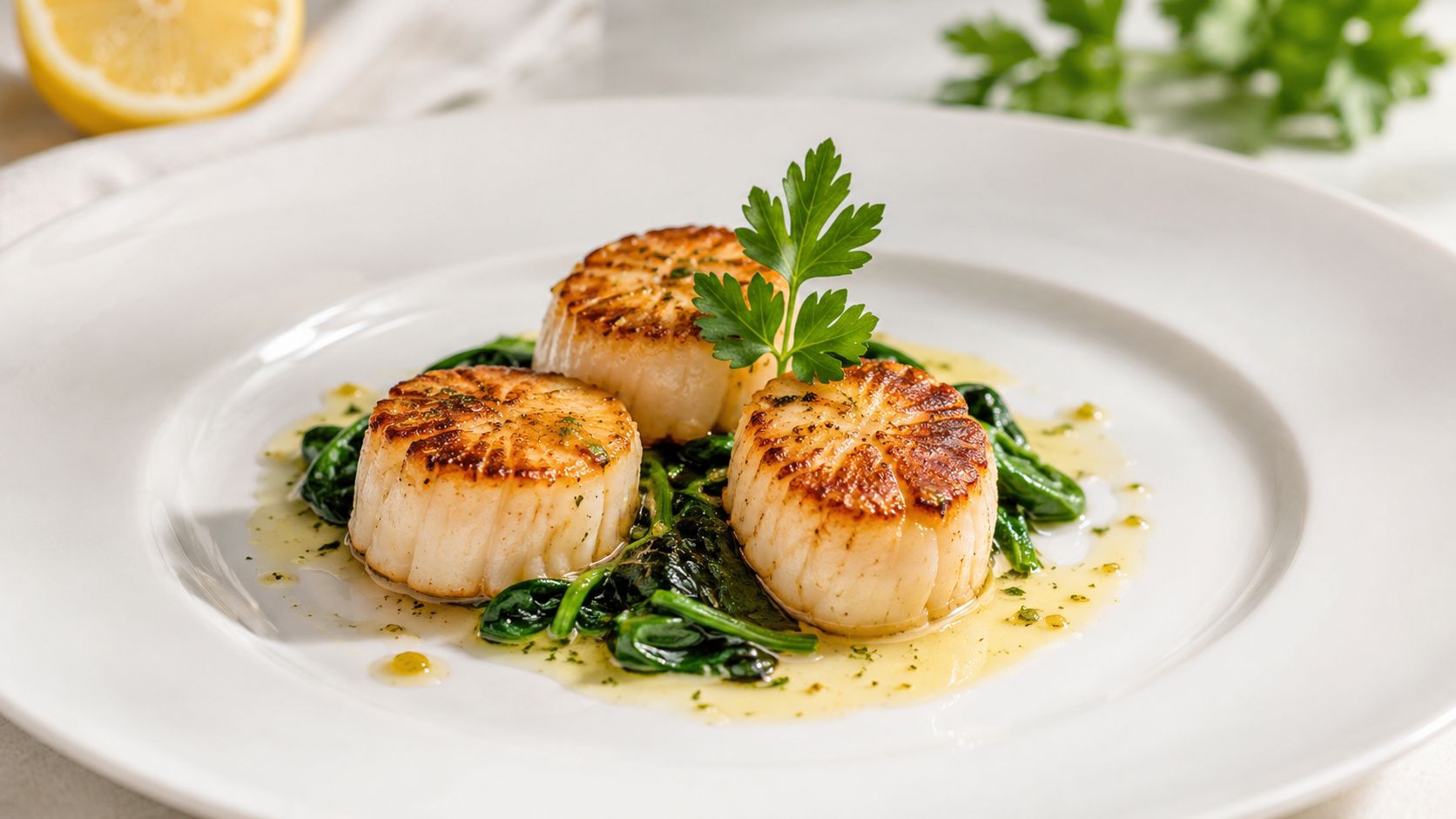
Seafood is built for speed. Shrimp saganaki, sake-steamed white fish, scallops with spinach, fish tacos, and mussels with garlic all cook fast enough to feel realistic on a weeknight. The appeal is obvious. You get a dinner that feels fresh and light without a long wait.
The risk is also obvious. Seafood goes from perfect to overdone very quickly.
Seafood Rewards Restraint
Pat seafood dry, use high heat, and don't crowd the pan. Shrimp need only a few minutes. Thin fish fillets often need less time than people think. Scallops need space and a dry surface if you want real browning.
What tends to work best:
- Keep sauces simple: Lemon butter, tomato and feta, ginger broth, garlic and herbs.
- Have sides ready first: Seafood shouldn't wait while you finish rice or salad.
- Pull it slightly early: Carryover heat will finish the job.
This is one of the strongest categories when you want 30 minute dinner ideas that still feel polished. Just don't pair quick seafood with a side dish that takes forever.
15. Salad-Based Dinners with Protein and Grains
A real dinner salad needs substance. Chickpeas, grilled chicken, shrimp, white beans, quinoa, couscous, feta, avocado, edamame, or warm roasted vegetables all help turn it from a side into the meal itself.
This method is especially good when the kitchen already feels too hot or when you have leftover grains and cooked protein to use up. It also scales well. One person can make a Japanese sesame chicken salad while another builds a Mediterranean version from the same basic prep.
Use Warm Components for Better Flavor
Warm grains and protein help dressing cling better and make the whole bowl feel more complete. Cold lettuce plus cold toppings can taste flat unless the dressing is very assertive.
A few strong combinations:
- Mediterranean: Chickpeas, cucumber, tomato, feta, olive oil, lemon.
- Mexican-inspired: Chicken, black beans, crunchy greens, lime dressing, avocado.
- Japanese-inspired: Sesame chicken, edamame, cucumber, rice or quinoa, soy-based dressing.
The key is holding back the dressing until the last minute. That keeps greens crisp and lets each part keep its texture.
30-Minute Dinners: 15-Option Comparison
| Method | Implementation complexity | Resource requirements | Expected outcomes | Ideal use cases | Key advantages |
|---|---|---|---|---|---|
| Sheet Pan Dinners | Low–moderate (timing required) | Oven, sheet pan, basic prep tools | Complete roasted meal, one-pan cleanup | Busy weeknights, meal prep, batch cooking | Minimal cleanup; hands-off; versatile |
| Stir-Fry and Wok Cooking | Moderate (high heat, timing, mise en place) | Wok/skillet, high-heat source, prepped ingredients | Crisp-tender vegetables, intense flavors | Fast dinners, Asian flavors, ingredient-driven meals | Very fast; preserves texture; highly customizable |
| Pasta with Quick Sauces | Low (timing pasta and sauce) | Pot, pan, pantry staples, fresh herbs | Saucy, comforting bowls; quick sophistication | Affordable weeknights, pantry-based meals | Inexpensive; no special equipment; flexible |
| Tacos and Hand-Held Meals | Low–moderate (more prep for toppings) | Skillet/grill, tortillas/wraps, assembly bowls | Interactive, customizable hand-held meals | Family meals, casual gatherings, build-your-own stations | Highly customizable; low skill; portable |
| Grain Bowls (Rice, Quinoa, Couscous) | Moderate (coordinate components) | Pots for grains, pans for toppings, sauces | Balanced, nutritionally complete bowls | Meal prep, healthy lunches/dinners | Nutritious; scalable; visually appealing |
| Skillet and One-Pot Meals | Low–moderate (sequencing ingredients) | Large skillet or pot, stove | Flavorful, comforting one-vessel dishes | Minimal-cleanup dinners, family meals | Depth of flavor; forgiving; easy cleanup |
| Sandwich and Bread-Based Meals | Very low (assembly-focused) | Quality bread, minimal cooking tools | Fast, portable meals with variable richness | Quick lunches, on-the-go meals, leftover use | Fastest option; versatile; uses pantry/leftovers |
| Soup and Broth-Based Meals | Low–moderate (broth quality matters) | Pot, good broth, chopping tools | Warming, nutritious soups; forgiving | Comfort meals, batch cooking, light dinners | Nutritious; adaptable; stores well |
| Frittatas and Egg-Based Dinners | Low–moderate (heat control, finish in oven) | Skillet (oven-safe), eggs, mix-ins | Protein-rich, elegant skillet or baked dishes | Breakfast-for-dinner, quick protein meals | High-protein; quick; versatile |
| Slow-Cooker and Pressure Cooker Shortcuts | Low (equipment knowledge needed) | Instant Pot/slow cooker, prep tools | Tender, developed flavors with little active time | Hands-off cooking, batch meals, tough cuts | Minimal active time; great for batch cooking |
| Noodle and Noodle Bowl Dishes | Low–moderate (timing, broth/sauce quality) | Pot, pan/wok, quality broth or sauce | Satisfying noodle bowls, hot or cold | Quick dinners, comfort meals, Asian cuisine | Fast; universally appealing; customizable |
| Grilled or Seared Protein with Quick Vegetables | Moderate (heat control, timing precision) | Grill or heavy skillet, thermometer advised | Restaurant-quality sear and simple sides | Date nights, elevated weeknights, ingredient-forward meals | Impressive presentation; highlights quality |
| Curry and Spiced One-Pot Meals | Moderate (spice balance, layering) | Pot/skillet, spice blends/pastes, coconut milk or broth | Aromatic, complex-tasting one-pot dishes | Flavorful dinners, one-pot global recipes | Rich flavor with modest effort; forgiving |
| Seafood Quick-Cook Preparations | Moderate (timing-sensitive) | Skillet/steamer/oven, fresh seafood | Elegant, delicate dishes cooked very quickly | Light dinners, quick protein-focused meals | Fastest protein; nutritious; elegant results |
| Salad-Based Dinners with Protein and Grains | Low–moderate (prep-dependent) | Bowls, knives, pre-cooked or quick-cook proteins/grains | Fresh, balanced composed salads | Warm-weather meals, healthy meal prep | Freshness; customizable; meal-prep friendly |
Your Next 30 Minute Dinner Starts Now
Fast weeknight cooking gets easier when you stop treating every dinner like a standalone project. Methods matter more than individual recipes on busy nights. If you know how to build a sheet pan meal, handle a stir-fry, stretch eggs into dinner, or turn grains into a bowl, you can cook from what's already in the kitchen instead of starting from zero every time.
That's also why honest timing matters. A quick dinner should account for the actual work, not just the prettiest part of the process. Chopping, heating water, preheating a pan, warming tortillas, and organizing toppings all count. The smoother dinners on this list share one trait. They reduce decision points once cooking starts. That's what keeps a 30-minute plan from drifting toward 45.
There's a larger shift behind that demand for practical speed. The global ready-to-eat dinner market is projected to reach USD 231.7 billion by 2033 with 6.8% CAGR, with 70% of expansion driven by premium and health-focused segments. Home cooks can take a useful lesson from that. Convenience isn't enough on its own anymore. People still want meals that feel balanced, satisfying, and worth eating, even when time is short.
The best shortcut is rarely a gimmick. It's a small set of dependable habits. Start the longest-cooking element first. Keep ingredient lists practical. Use pantry staples when possible. Choose one main flavor direction and don't overload the plate with extra side projects. If you're cooking globally inspired food on a weeknight, simplify without apology. A smaller ingredient list often gives you a better result than chasing total authenticity at 6:30 p.m.
If you want more structure, digital cookbook collections can help by reducing guesswork and making repeat cooking easier. Just Cook It publishes downloadable cookbook e-books focused on everyday home cooking across global cuisines, with kitchen-tested recipes, device-friendly reading, and lifetime updates. That kind of format is useful when you want recipes you can revisit on a phone or tablet while dinner is happening.
Pick one category from this list and make it your weeknight fallback. Maybe it's tacos for the fastest nights, curry for one-pot comfort, or noodles when you need something flexible. Once you have two or three reliable methods in your rotation, weeknight dinner stops feeling like a scramble and starts feeling manageable.
If you want more everyday recipe ideas that are designed for real home kitchens, browse Just Cook It for downloadable cookbooks and cooking resources you can use right away on your phone, tablet, or computer.