The usual advice for healthy recipes with few ingredients is to keep cutting until the shopping list looks impressively short. That's not always better cooking. Remove the lemon, skip the seasoning, or rush the browning, and a simple meal can taste unfinished.
Ingredient efficiency matters more than ingredient count. Tomatoes can provide both vegetables and sauce. Beans can supply substance and thicken a stew. Lemon can brighten a dish without requiring another dressing or condiment.
There's real demand for simplicity: AHDB's recipe research found that 74% of respondents considered up to five ingredients ideal for a midweek meal. Treat that as a useful design preference, not a rule that makes oil, spices, or a necessary vegetable disappear from the ingredient list.
A short ingredient list should mean fewer things to manage, not fewer reasons to enjoy dinner.
The meals below use pantry staples, produce, and deliberate techniques rather than elaborate shopping lists. Time estimates are qualitative because batch size, equipment, and chopping speed vary. If you're tracking homemade meal nutrition, record the ingredients you use, including cooking oil, toppings, and bread served alongside.
Table of Contents
- 1. Shakshuka (Eggs Poached in Spiced Tomato Sauce)
- 2. Turkish Red Lentil Soup (Mercimek Çorbası)
- 3. Miso Soup with Tofu and Wakame
- 4. Shopska Salad (Bulgarian Tomato, Cucumber, and Cheese Salad)
- 5. Sheet-Pan Lemon-Herb Salmon with Vegetables
- 6. Bircher Muesli (Overnight Oats with Fruit)
- 7. Mexican-Style Black Bean and Sweet Potato Tacos
- 8. Tuscan White Bean and Kale Stew
- 8 Healthy Recipes with Few Ingredients Compared
- Build a Better Minimalist Pantry
1. Shakshuka (Eggs Poached in Spiced Tomato Sauce)
Shakshuka works when you want a warm breakfast or light dinner without juggling separate pans. Eggs cook directly in a tomato sauce, so the vegetables and cooking liquid become part of the finished meal.
The skillet should look saucy, but not watery.
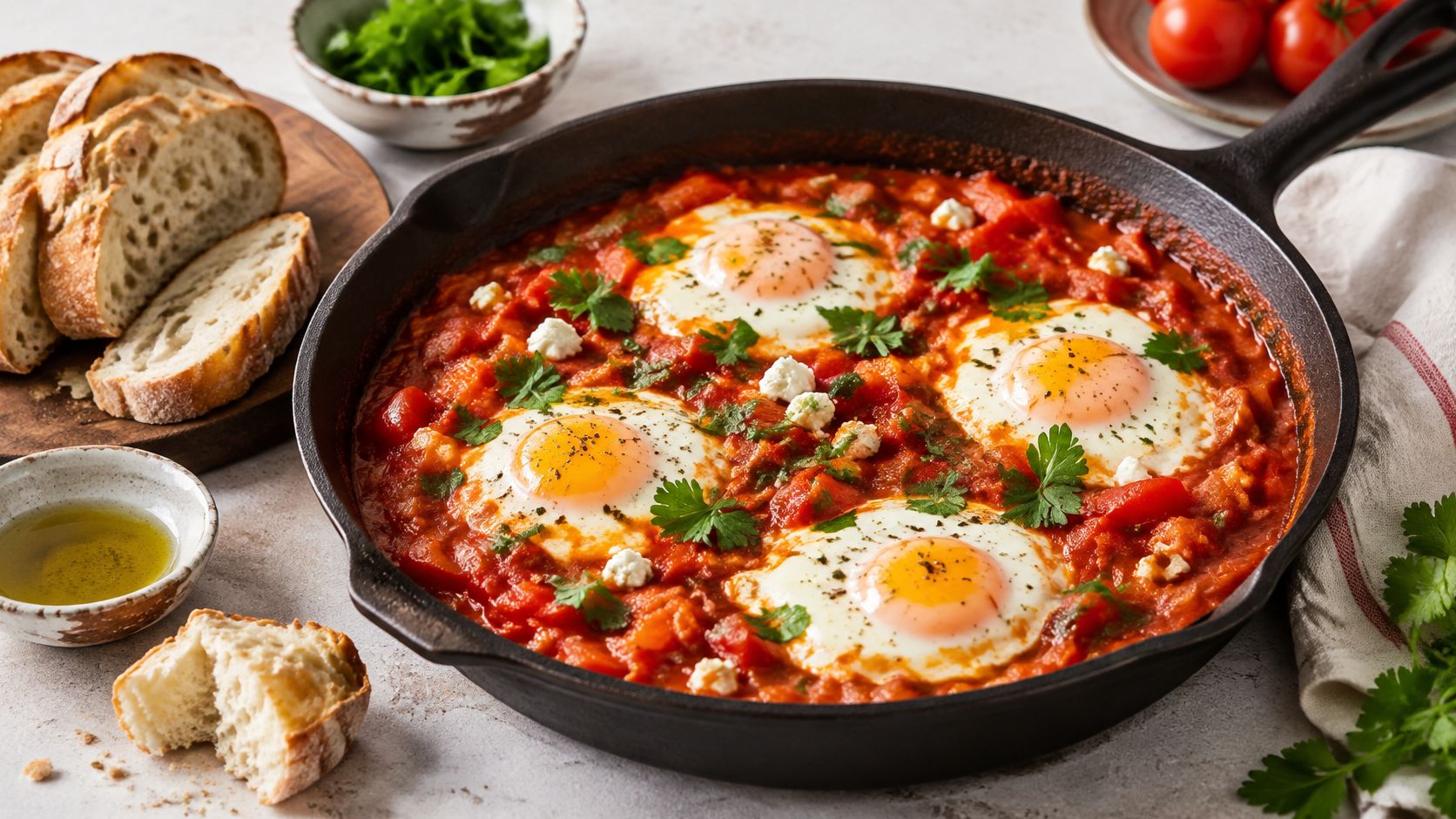
Core ingredients: Eggs, canned tomatoes, onion, and bell pepper, with olive oil, garlic, cumin, and paprika for seasoning. Time estimate: A short stovetop meal, with most of the waiting devoted to thickening the sauce.
Soften the chopped onion and pepper in oil before adding garlic and spices. Stir in the tomatoes and simmer uncovered until a spoon leaves a brief trail through the sauce. Make shallow wells, add the eggs, and cover gently until the whites are set.
Let the Sauce Finish First
Adding eggs to thin sauce is the main mistake to avoid. Once they're in, you have less freedom to reduce the liquid without overcooking them.
- Simplify the shopping: Skip the pepper if you don't have one, rather than buying it solely for this meal.
- Finish deliberately: Add optional feta or herbs after cooking, when their texture and freshness are most noticeable.
- Make it dinner: Serve with whole-grain bread and a vegetable side rather than treating extra bread as the entire accompaniment.
For a visual reference, watch the sauce consistency and how the eggs sit in their wells.
2. Turkish Red Lentil Soup (Mercimek Çorbası)
A bowl of lentil soup can taste rounded without cream or a long seasoning list. The useful combination is soft lentils, gently cooked onion, and lemon added at the finish.
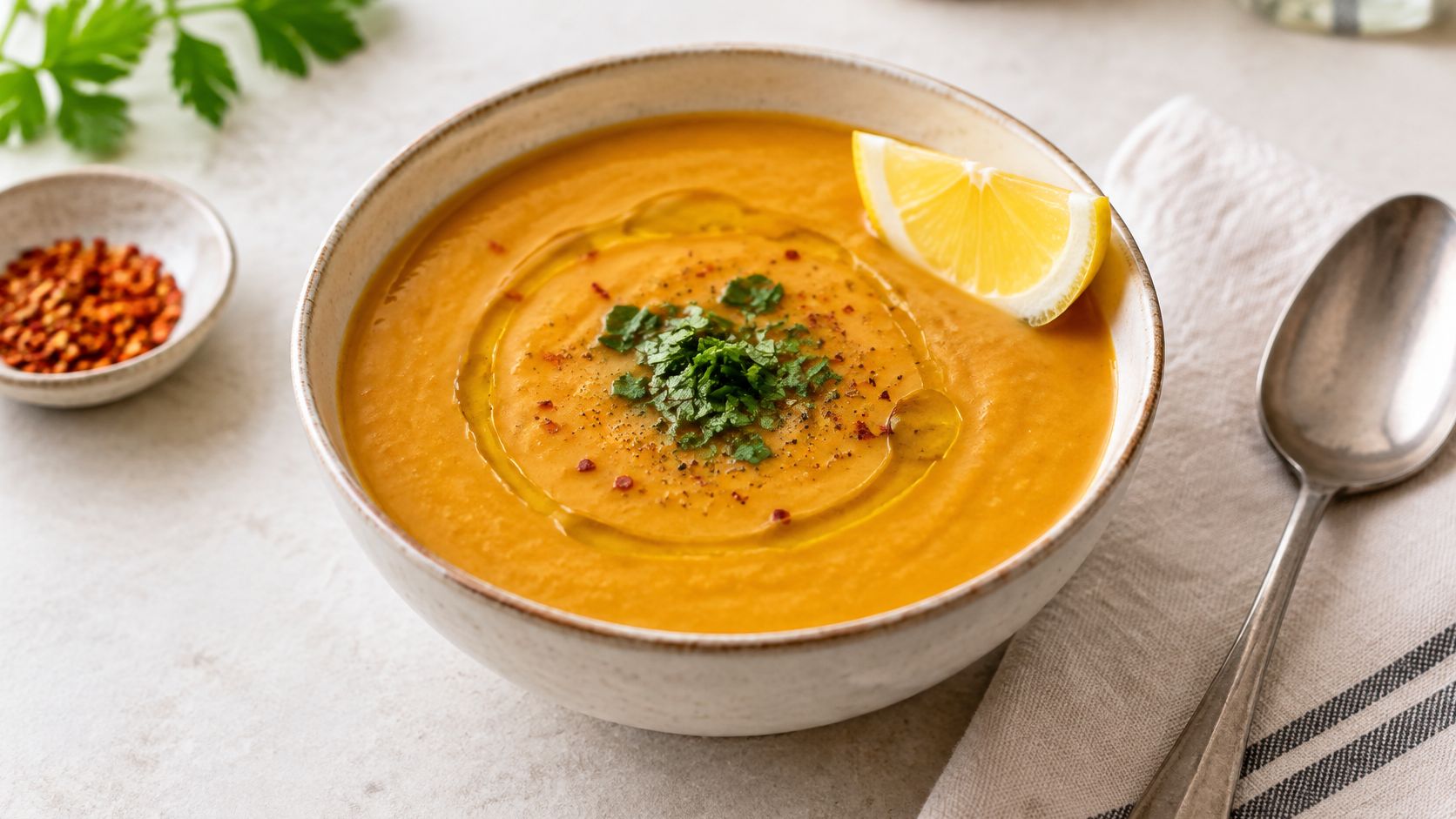
Gather: Red lentils, onion, carrot, lemon, and olive oil, plus water or stock and cumin if available. Time estimate: A relaxed simmer, suitable for cooking while you prepare tomorrow's lunch container.
Rinse the lentils, then soften chopped onion and carrot in oil. Stir in cumin briefly without letting it scorch, add lentils and liquid, and simmer until everything is tender. Blend for a smooth soup, or whisk vigorously for a more rustic result.
Adjust Texture Before Seasoning
Add hot water gradually if the soup feels heavy rather than spoonable. Then taste for salt and lemon, because thickening or dilution changes how strongly both come through.
The practical limitation is texture after standing: a soup that pours easily at dinner may need loosening when reheated. Keep extra liquid available rather than adding more oil to solve a thickness problem.
For beginners, this guide to how to cook lentils provides a useful technique reference. If you're portioning a batch, logging soup with Calorie Genie AI can help organize the ingredients you used, but don't substitute a generic soup entry for your actual recipe.
3. Miso Soup with Tofu and Wakame
Think of miso soup as a component, not automatically a complete dinner. It's useful beside leftover rice and vegetables, especially when you want something warm without starting an elaborate main course.
The short ingredient list is dashi, miso paste, soft tofu, and dried wakame. Time estimate: Brief stovetop preparation once your stock is ready; making stock from scratch adds another task.
Warm the dashi gently while you prepare the tofu and rehydrate the wakame according to its package directions. Loosen the miso in a small bowl with warm stock before stirring it into the pot. Add the tofu carefully and warm through without vigorous boiling.
Technique priority: Protect the delicate ingredients. Gentle stirring matters more than an elaborate garnish.
Keep the Short List Honest
- Check the stock: Choose a kombu-based dashi if you need a vegetarian version, and check packaged ingredients rather than assuming.
- Use a practical substitute: If wakame is unavailable, use tender greens, while recognizing that the finished soup will taste different.
- Build the meal: Add rice and a vegetable dish when serving it as dinner rather than expecting a small bowl to do everything.
Miso and dashi may be efficient pantry purchases if you'll use them repeatedly. They're less practical if they'll sit untouched after this meal.
For related meal ideas, explore Japanese home cooking recipes. The Japanese Home Kitchen | Digital PDF also includes miso soup with tofu and wakame among its home-cooking recipes.
4. Shopska Salad (Bulgarian Tomato, Cucumber, and Cheese Salad)
When the tomatoes taste good, Shopska salad needs very little intervention. When they don't, piling on cheese or dressing won't fully compensate.
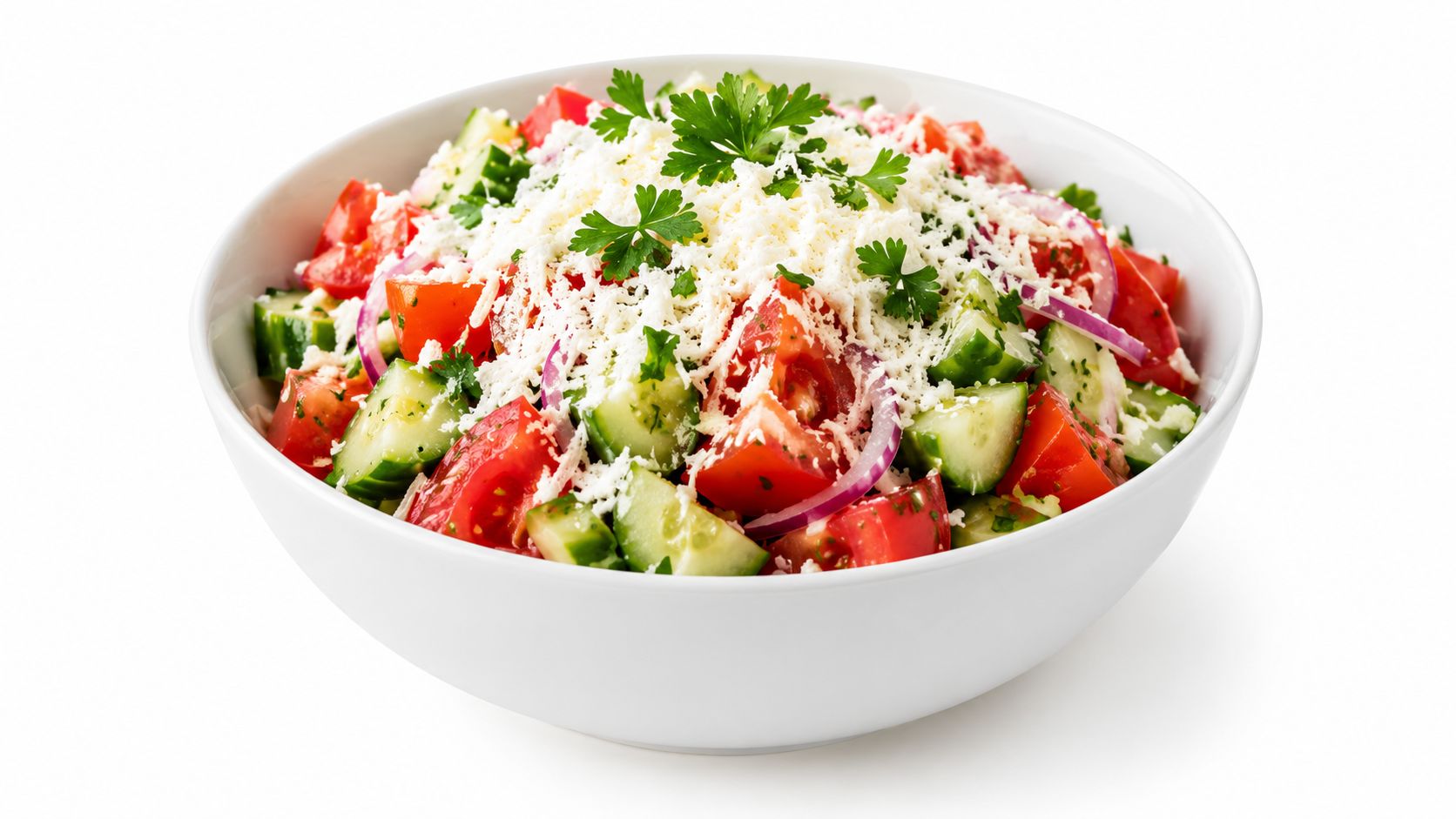
Core ingredients: Tomatoes, cucumber, onion, bell pepper, and sirene or feta, dressed with a little oil and optional vinegar. Time estimate: Quick, no-cook preparation, with chopping as the main task.
Cut the vegetables into pieces you can comfortably eat together. Taste the tomatoes before adding vinegar, then dress lightly and grate or crumble the cheese over the top just before serving.
Manage Water, Not Just Dressing
For a packed lunch, keep the cheese and dressing separate until you're ready to eat. If the chopped vegetables release more liquid than you want, drain them briefly rather than trying to absorb it with extra cheese.
- Mellow the onion: Slice it thinly, and use less if its raw flavor overwhelms the tomatoes.
- Keep the contrast: Preserve the cucumber's crunch instead of chopping everything into tiny pieces.
- Use it as a side: Pair with beans, eggs, or another main dish when you want a more substantial meal.
This is a good example of why minimal cooking isn't always minimal judgment. The vegetable quality, cut size, and balance of acid to cheese matter more than adding another garnish.
If tomatoes are disappointing, choose another recipe rather than forcing a raw tomato salad into the week's plan.
5. Sheet-Pan Lemon-Herb Salmon with Vegetables
The appeal of a sheet-pan dinner is less washing up. The catch is that sharing a pan doesn't mean every ingredient should start cooking together.
Use: Salmon, broccoli or asparagus, lemon, olive oil, and a fresh or dried herb. Garlic is optional, not a requirement for making the dish taste complete. Time estimate: A short oven meal with extra preparation if you choose dense vegetables.
Pat the salmon dry, coat lightly with oil, and season. Cut the vegetables evenly and spread them out rather than piling them around the fish. Roast until the vegetables reach your preferred texture and the fish is cooked through, checking the thickest section rather than relying on appearance at the edges.
Match Ingredients to Cooking Speed
Give dense vegetables a head start, or choose quicker-cooking vegetables when convenience matters most. If the pan is crowded, use another tray rather than accepting wet vegetables for the sake of a single-pan label.
A slightly longer ingredient list can still produce an easier dinner. A badly matched pan of ingredients usually won't.
Finish with lemon after roasting, tasting before adding more salt. For another seasoning direction, use this basil salmon recipe as a reference.
The trade-off is cost: a short shopping list built around salmon isn't automatically budget-friendly. If fish doesn't suit your budget, borrow the lemon-herb vegetable preparation for a bean-based meal instead, cooking the beans separately rather than treating them as a direct roasting substitute.
6. Bircher Muesli (Overnight Oats with Fruit)
Breakfast preparation can happen while you're clearing dinner. Bircher-style muesli combines oats, milk or yogurt, grated apple, and lemon, with nuts added when you're ready to eat.
Time estimate: Brief evening mixing followed by an overnight rest. There's no cooking, but it isn't an immediate breakfast if you're starting with dry oats.
Stir rolled oats with enough milk or yogurt to make a loose mixture. Fold in grated apple and a squeeze of lemon, cover, and refrigerate overnight. In the morning, loosen with more milk if needed and add nuts for contrast.
Make Creaminess and Crunch Separate Jobs
Mixing every topping in at night is convenient, but you lose the distinction between soft oats and crisp nuts. Keep the crunchy ingredients separate if texture is what makes this breakfast appealing to you.
- For less sweetness: Taste the apple mixture before reaching for honey.
- For a dairy-free version: Use a suitable plant-based milk or yogurt, checking the label because alternatives differ.
- For a different fruit: Add berries or chopped seasonal fruit at serving time instead of buying apples specifically.
For someone who regularly skips breakfast because mornings feel rushed, this is a practical routine to try. Prepare only what you expect to eat rather than filling the refrigerator with jars on enthusiasm alone.
The limitation is personal preference: soaked oats are soft and cool. If that texture doesn't appeal, a warm oat breakfast may be a better minimalist choice than repeatedly making food you won't enjoy.
7. Mexican-Style Black Bean and Sweet Potato Tacos
These tacos work best when the filling offers contrast: tender beans, browned sweet potato, warm tortillas, and a sharp squeeze of lime. You don't need avocado, salsa, cheese, and a separate sauce to make them satisfying.
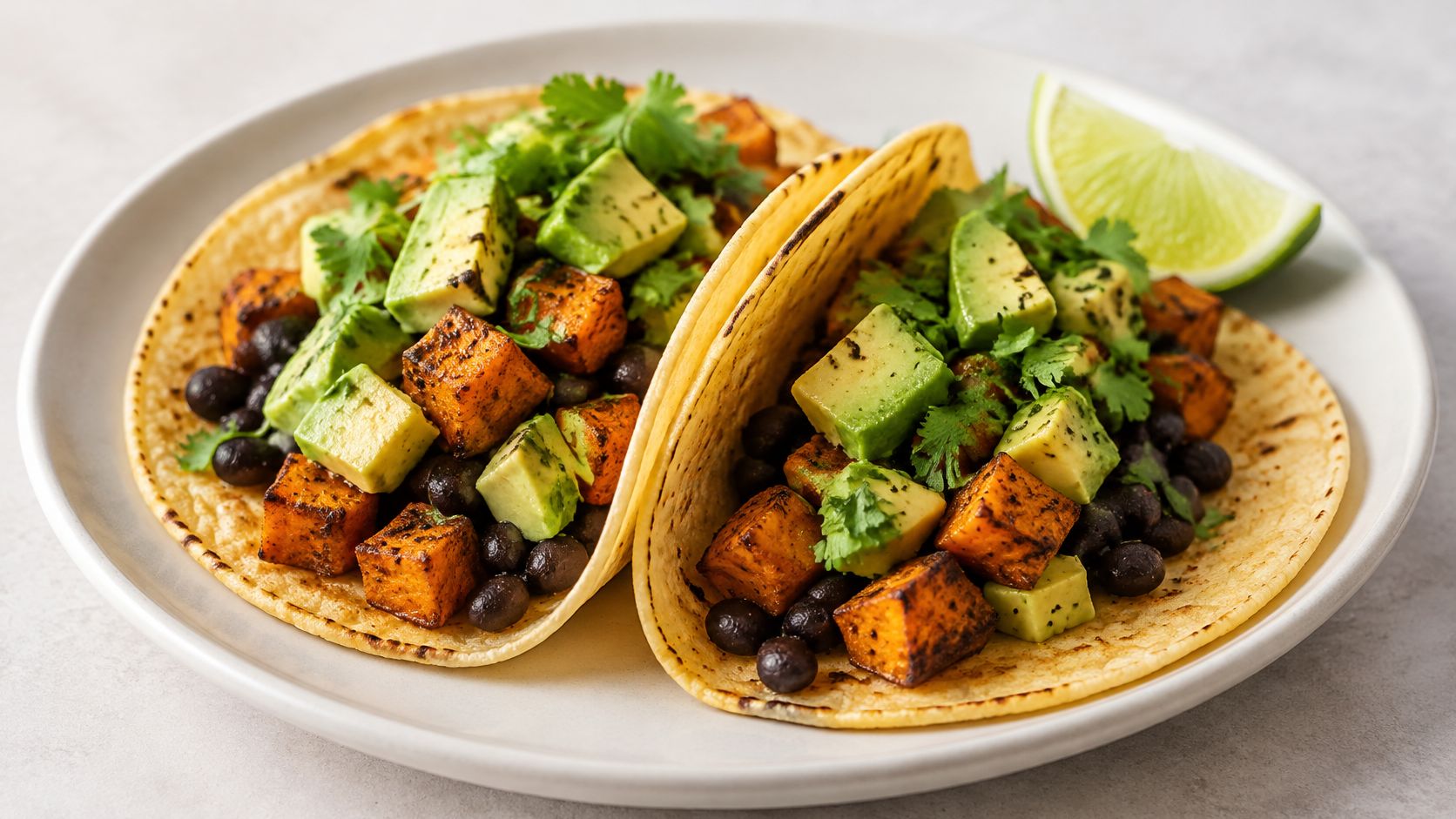
Core ingredients: Black beans, sweet potato, corn tortillas, and lime, plus oil and cumin or chili powder. Time estimate: An oven-length meal, with time to warm the beans while the sweet potato roasts.
Cut the sweet potato into evenly sized small cubes, coat lightly with oil and seasoning, and spread across a tray. Roast until tender with browned edges. Warm the beans separately and mash some against the pan to create a filling that holds together.
Warm Tortillas Before Filling
Use a dry skillet to warm the tortillas until flexible. Fill modestly, add lime, and eat while the tortilla is still warm rather than stacking heavily filled tacos that fall apart.
- Spend where it matters: Skip expensive optional toppings before cutting the beans or vegetables.
- Use what's available: Replace sweet potato with another roastable vegetable you already have, adjusting cooking as needed.
- Plan the next meal: Keep unused filling separate from tortillas for a bowl or salad.
This is useful for a household eating at different times: everyone can assemble their own tacos. The compromise is that roasted vegetables lose some crispness when reheated, so don't expect leftovers to match the first serving exactly.
8. Tuscan White Bean and Kale Stew
A creamy stew doesn't always need cream. Mashing some of the beans into the cooking liquid gives this meal substance while keeping the shopping list focused.
Gather: Cooked cannellini beans, kale, garlic, olive oil, and rosemary or sage, with water or stock. A Parmesan rind or finishing cheese is optional. Time estimate: A short simmer with canned beans; dried beans require separate advance planning.
Warm sliced garlic gently in oil, stopping before it becomes dark. Add beans, liquid, and herbs, then simmer while you remove tough kale stems and slice the leaves. Mash some beans against the side of the pot, add the kale, and cook until the leaves are tender.
Thicken Before Adding More Ingredients
If the stew seems thin, mash more beans or simmer uncovered before reaching for a thickener. If it becomes pasty, add liquid gradually and stir.
- For a plant-based bowl: Omit the Parmesan and check that your stock suits your needs.
- For a softer green: Substitute spinach, adding it near the end rather than cooking it like kale.
- For leftovers: Reheat gently with a splash of water, then taste again before serving.
For a busy evening, canned beans make this more realistic than beginning with dried beans after work. This collection of easy recipes with beans offers other directions for the same pantry staple.
The main limitation is repetition of texture. Serve with something crisp or fresh when possible, rather than adding more soft ingredients to an already soft bowl.
8 Healthy Recipes with Few Ingredients Compared
Read this table as a skill map, not a speed ranking. Each row shows which technique carries the flavor when the ingredient list stays short: a steady simmer for lentils, a gentle hand with miso, an overnight soak for oats. Pick the recipe that matches the method you want to practice, and the short shopping list takes care of itself.
| Dish | Preparation Time and Complexity | Main Resources | Expected Outcome | Ideal Use | Key Advantage |
|---|---|---|---|---|---|
| Shakshuka | Short stovetop simmer; beginner-friendly, one-pan cooking | Eggs, tomatoes, vegetables, spices, skillet | Protein-rich meal with vegetables and a thick, spiced sauce | Breakfast, brunch, or light dinner | Low-cost ingredients and minimal cleanup |
| Turkish Red Lentil Soup | Moderate simmer; simple, one-pot cooking; blending optional | Red lentils, vegetables, broth or water, pot; blender for smooth texture | Filling, fiber-rich soup with plant protein | Weeknight meals or batch cooking | Affordable ingredients; freezes well |
| Miso Soup with Tofu and Wakame | Very quick; simple, careful heating | Miso, dashi, tofu, wakame, pot | Light, savory soup with tofu protein | Side dish or quick starter | Fast preparation and a short ingredient list |
| Shopska Salad | Brief chopping; no cooking | Fresh vegetables, sirene or feta, knife and bowl | Fresh, crisp salad with cheese | Starter, side dish, or casual gathering | No-cook preparation and easy scaling |
| Sheet-Pan Lemon-Herb Salmon with Vegetables | Quick roast; straightforward assembly | Salmon, vegetables, seasonings, oven and sheet pan | Complete meal with fish and roasted vegetables | Quick weeknight dinner or meal prep | One-pan cooking with little cleanup |
| Bircher Muesli | Brief assembly plus a long, hands-off soak; no cooking | Rolled oats, milk or yogurt, apple, refrigerator | Chilled, fiber-rich make-ahead breakfast | Busy mornings or meal prep | Saves time in the morning and is easy to portion |
| Mexican-Style Black Bean and Sweet Potato Tacos | Moderate; roasting and simple assembly | Sweet potatoes, black beans, tortillas, oven and skillet | Filling, plant-based tacos with fiber and vegetables | Weeknight dinner or vegetarian meals | Inexpensive, adaptable ingredients |
| Tuscan White Bean and Kale Stew | Short simmer with canned beans; one-pot cooking | Cannellini beans, kale, broth, herbs, pot | Hearty, fiber-rich stew; suitable for batch cooking | Weeknight meal or freezer-friendly cooking | Low-cost, filling, and easy to scale |
Time stays qualitative here for the same reason it does in the recipes above: batch size, equipment, and chopping speed vary too much for honest minute counts. What transfers between these dishes is the technique itself, and that is the part worth comparing.
Build a Better Minimalist Pantry
The most useful minimalist pantry isn't the smallest one. It's the one that lets you make several meals without buying a separate set of ingredients for each recipe.
Start with beans, canned tomatoes, oats, eggs, onions, garlic, olive oil, and a dependable stock. Add greens and other produce you'll use, plus lemons or limes and a small selection of herbs and spices. Keep cuisine-specific ingredients such as miso when they fit your regular cooking, not because a recipe calls for them.
A balanced plate still matters. Harvard's Healthy Eating Plate recommends approximately half vegetables and fruit, a quarter whole grains, and a quarter healthy protein. Use that as a meal-building reference, not a reason to pretend every soup or salad is a complete meal on its own.
Buy for Roles, Then Cook for Flavor
- Choose substance: Keep a protein ingredient available rather than relying on vegetables and dressing alone.
- Choose flexibility: Buy produce that can work raw, roasted, or stirred into soup.
- Choose a finish: Use acidity, a little fat, herbs, or crunch deliberately instead of adding every available topping.
- Choose a reuse: Decide where the remainder of an opened ingredient will go before buying another.
Fewer ingredients doesn't automatically mean cheaper or less wasteful. Compare what you'll use, including the remainder of a package, rather than judging value by the length of a recipe card. Frozen vegetables, canned beans, and adaptable seasonal produce can be practical choices without needing to imitate an expensive ingredient.
Cooking competence also deserves attention: the household food-waste research links better cooking skills with using fewer food inputs to produce the same meals. Practice reducing a sauce, adjusting soup thickness, roasting without crowding, and seasoning after tasting.
Choose a meal you already enjoy and simplify it without removing what makes it work. That's a more dependable path to healthy recipes with few ingredients than collecting recipes whose only distinction is a short shopping list.
Just Cook It offers downloadable cookbook e-books and practical recipe guidance for everyday home cooking across global cuisines. Visit Just Cook It to explore the Healthy Eating and Quick Dinners collections, then choose a meal that uses staples you already have.