Weeknight dinner often comes down to one challenge: making something satisfying without spending too much time in the kitchen.
That pressure is common because home cooking is still a regular part of weeknight life. In Australia, a 2017 cooking report found that 97% of people said they cook on weeknights, and 74% were likely to prepare five or more of their seven weekly dinners at home. But the same report showed how limited the time window is, with only 10% spending longer than an hour, 50% spending 30 to 60 minutes, and 37% spending half an hour or less.
A separate summary of U.S. food-preparation patterns points in the same direction. It notes that only 8.4% of Americans spent more than an hour cooking a weeknight meal, while most stayed under that mark. So the easiest weeknight dinners usually aren’t the fanciest or the fastest on paper. They’re the ones that cut cleanup, reduce decisions, and still leave everyone feeling fed.
Table of Contents
1. Master the Art of One-Pan Cooking
One-pan cooking earns its place at the top because cleanup is often what makes dinner feel hard, not the cooking itself. When protein, vegetables, and a starch cook in one skillet, one sheet pan, or one Dutch oven, the whole meal becomes easier to start and easier to finish.
A practical example is sheet-pan chicken thighs with potatoes and green beans. The potatoes go on first because they need more time. The chicken goes on next. The green beans join near the end so they stay tender instead of turning limp.
Start with timing, not the recipe
Many home cooks get stuck because they treat one-pan meals as a special category instead of a simple method. The method is just layering ingredients by cook time. Dense vegetables first. Protein second. Quick-cooking vegetables or greens last.
That same idea works in a skillet. Sausage and onions can brown first, then pasta or rice can simmer in the same pan, and spinach can be stirred in at the end. The result feels complete without creating a pile of dishes.
-
First step: choose one protein that can handle roasting or searing without fuss, such as chicken thighs, salmon, tofu, or sausage.
-
Next move: add one sturdy vegetable and one quick vegetable, so the meal has contrast without extra work.
-
Final piece: include a starch that can roast, simmer, or warm in the same vessel.
Lining a sheet pan with parchment or foil doesn’t make dinner less homemade. It makes cleanup realistic on a Wednesday.
The One-Pan Kitchen | Digital PDF suits cooks who want more structure around this method. A collection of one-pan dinner ideas can help households build a short list of repeatable meals instead of improvising from scratch every night.
2. Let Everyone Build Their Own Bowl
Some of the easiest weeknight dinners solve disagreement before it starts. Bowl dinners do that especially well because they separate the meal into parts instead of forcing one finished plate on everyone.
Mixed households are common. One person may want extra protein, another may prefer vegetarian food, and a child may only accept vegetables if they stay separate. Bowl meals handle all of that without requiring multiple dinners.
A simple bowl formula
A bowl dinner usually needs four parts. Once that pattern is familiar, planning gets much easier.
-
Base option: rice, quinoa, couscous, greens, or even leftover roasted potatoes.
-
Protein choice: grilled chicken, black beans, tofu, hard-boiled eggs, or shredded rotisserie chicken.
-
Vegetable layer: cucumbers, shredded carrots, cherry tomatoes, corn, roasted broccoli, cabbage, or avocado.
-
Sauce finish: salsa, yogurt sauce, peanut sauce, vinaigrette, or a simple lemon and olive oil dressing.
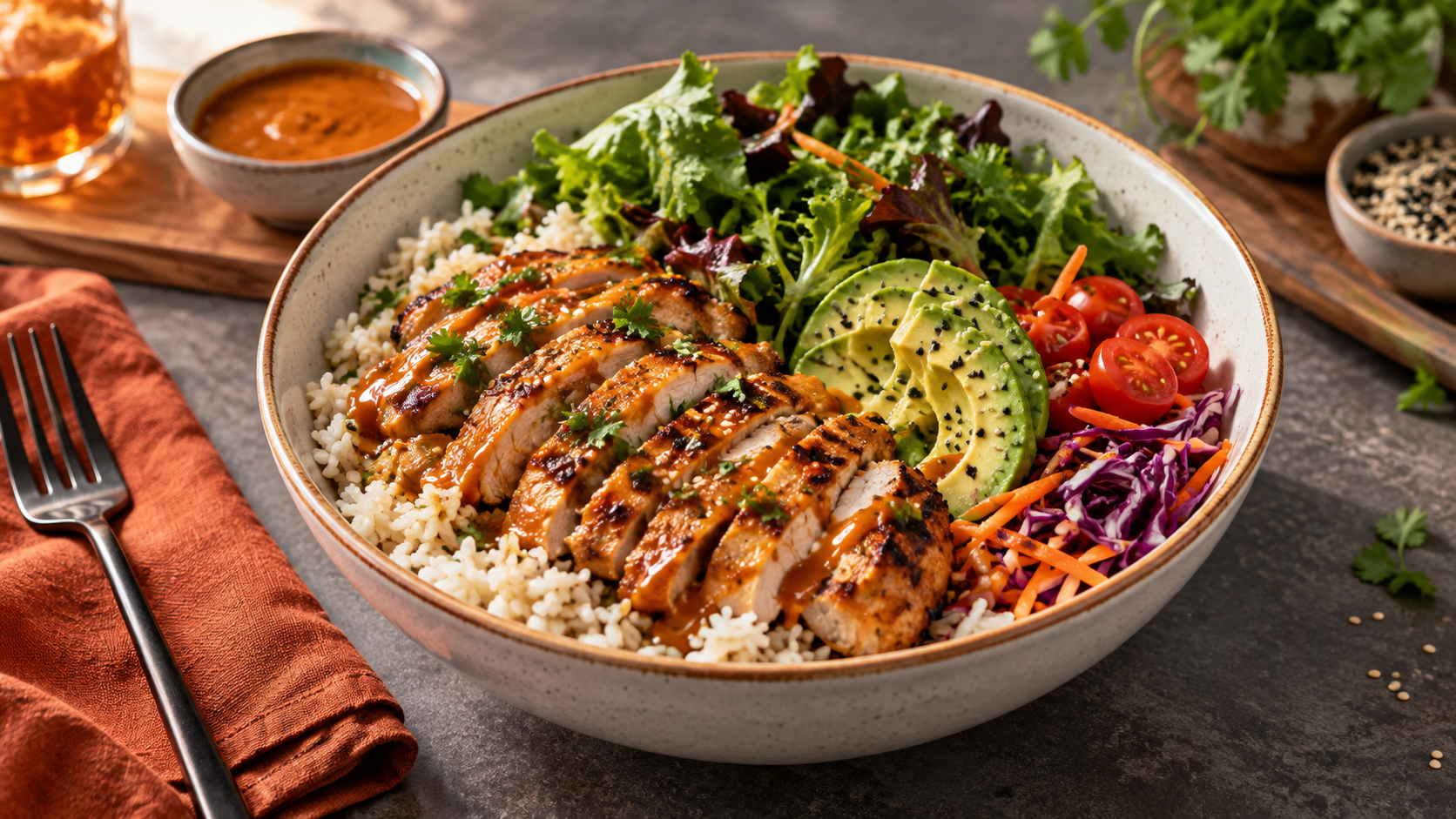
A real-world version might look like this: leftover rice gets reheated, one pan of taco-seasoned beans warms on the stove, and the table gets set with chopped lettuce, grated cheese, salsa, and sliced peppers. One person builds a vegetarian bowl. Another adds chicken from the night before. A child keeps everything separate and still eats dinner without a negotiation.
Why bowls reduce stress
Bowls are useful because they turn “What should dinner be?” into “What pieces are already here?” That shift saves mental energy. They also help use up small leftovers that might otherwise be wasted, such as half a cucumber, a scoop of rice, or a few roasted vegetables.
For households trying to make easiest weeknight dinners more nutritious, bowls also make balance easier to see. Protein, vegetables, and a filling base all have a place, so the meal doesn’t drift into “just snacks” or “just carbs.”
3. Put Your Air Fryer to Work on the Main Course
Many people use the air fryer for reheating pizza or making frozen snacks. It can do much more than that. On busy nights, it can handle the main protein and a vegetable side with very little active work.
That’s especially helpful for smaller households or for nights when turning on the full oven feels excessive. Salmon fillets, chicken thighs, tofu cubes, shrimp, broccoli, and green beans all fit the air-fryer model well because they cook quickly and brown nicely.
Use it for the part that usually slows dinner down
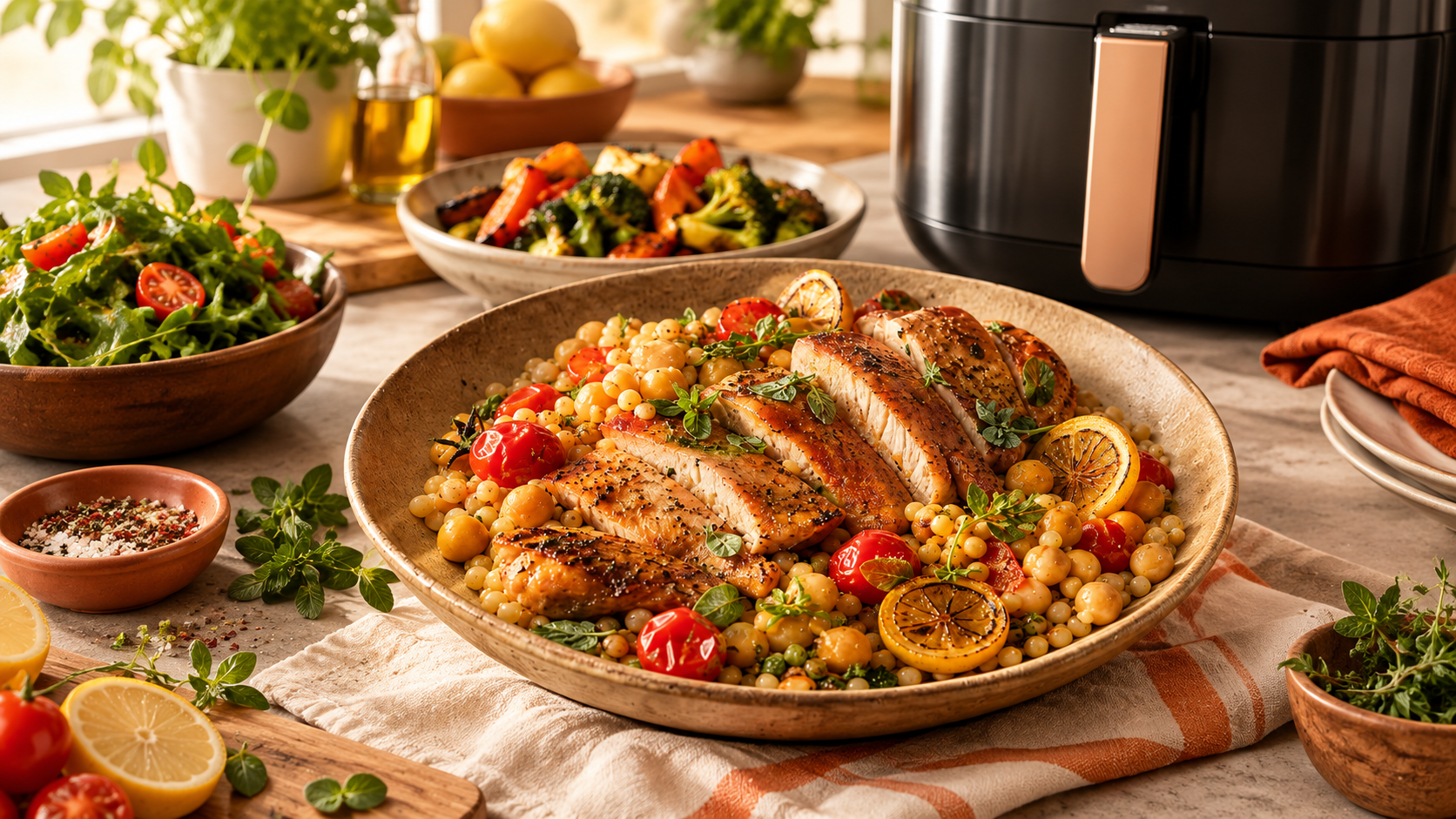
The smartest use of an air fryer is not making the entire meal inside it. It’s assigning it the job that usually takes the longest or creates the most mess. For many cooks, that’s the main protein.
A practical dinner might be air-fried chicken thighs, microwave rice, and bagged salad with a bottled dressing. Another might be salmon in the air fryer, couscous that steeps in hot water, and sliced cucumbers with lemon. Those meals are simple, but they still feel complete.
-
For crisp edges: pat proteins dry before seasoning.
-
For even cooking: avoid crowding the basket.
-
For easier planning: pair the air fryer with one no-cook side and one quick starch.
The Air Fryer Everyday Cookbook | Digital PDF fits cooks who want dependable dinner patterns for this appliance. A set of air fryer dinner recipes can help turn the machine from an occasional gadget into a regular weeknight tool.
4. Embrace the Cook Once, Eat Twice Philosophy
Leftovers get a bad reputation when they mean eating the exact same plate again. But the easiest weeknight dinners often come from planned repetition, not accidental leftovers.
Research reviews on meal kits note that subscribers often value reduced meal-preparation time, less shopping stress, and a lighter planning burden, and a study summary in the same review reported that about two-thirds of meal-kit users were extremely or very satisfied even though delivered meal-kit dinners cost more than in-home dinners. The useful lesson isn’t about meal kits alone. It’s that people value convenience when it removes weekday friction.
Repurpose the component, not the whole meal
A double batch of roasted chicken can become two different dinners. On the first night, it might be served with potatoes and broccoli. On the second, the extra chicken can become chicken salad sandwiches, quesadillas, or a rice bowl.
The same approach works with chili, meatballs, cooked ground turkey, or roasted vegetables. A pot of lentil soup can become a baked potato topping later in the week. Taco meat can become nachos, stuffed peppers, or wraps.
The goal isn’t to repeat dinner. The goal is to repeat effort.
A household that cooks once and eats twice usually saves more than time. It also avoids the hardest part of weeknight cooking, which is deciding what to make when energy is already low.
Good candidates for planned leftovers
-
Roast-friendly proteins: chicken thighs, turkey meatballs, baked tofu, or pulled pork.
-
Flexible mains: chili, curry, taco filling, or bean stew.
-
Neutral staples: cooked rice, roasted sweet potatoes, or sautéed onions.
This strategy works best when the first meal is only part of the plan. That small mindset shift makes leftovers feel intentional instead of uninspiring.
5. Upgrade Your Pasta Night with Smart Protein
Pasta is one of the easiest weeknight dinners for a reason. It cooks quickly, it has widespread appeal, and it pairs well with pantry ingredients. The weak point is that a plain bowl of noodles and sauce may not keep people full for long.
That matters more now because the speed-versus-nutrition gap is getting harder to ignore. Recent recipe coverage has highlighted high-protein cooking as a major theme, while many easy dinner roundups still focus mostly on speed, as discussed in coverage of current weeknight dinner trends.
Fast ways to make pasta more filling
The easiest fix is to add protein that needs little or no extra prep. That keeps pasta night simple while making it more satisfying.
-
Bean addition: stir in cannellini beans, chickpeas, or lentils during the last few minutes.
-
Seafood shortcut: flake in canned tuna or salmon for a pantry-friendly protein boost.
-
Creamy option: blend cottage cheese into a sauce with garlic, lemon, and Parmesan.
-
Egg route: top hot pasta with a fried egg for a quick, rich finish.
A practical example is penne with jarred marinara, spinach, and white beans. Another is spaghetti tossed with olive oil, garlic, lemon, and tuna, with arugula folded in at the end. Both are quick, but they have more staying power than plain pasta.
One smart pantry habit
Keeping one cooked legume ready in the fridge changes pasta night fast. A batch of cooked lentils can be stirred into tomato sauce, added to a pasta salad, or spooned under roasted vegetables for a fuller meal.
For families, this strategy also helps with the “someone is hungry again in an hour” problem. Protein doesn’t need to make dinner complicated. It just needs to be built in on purpose.
6. Rely on No-Cook Assembly Meals
Some nights, the easiest weeknight dinners involve no stove, no oven, and no guilt about that choice. Convenience matters because not every evening has room for active cooking.
That’s not a fringe need. A recent convenience food report found that 60% of Americans prefer to spend less than 30 minutes cooking dinner, and 12% prefer not to cook at all. On nights like that, assembly meals are not a fallback. They are the plan.
What counts as dinner without cooking
No-cook dinners work best when they include enough protein, crunch, and substance to feel intentional. A snack plate can become dinner when it includes cheese, deli meat, hummus, cut vegetables, fruit, crackers, and something briny like olives or pickles.
Loaded salads are another strong option. Bagged greens, rotisserie chicken, canned beans, chopped vegetables, nuts, and a good dressing can become a full meal in minutes. Wraps and sandwiches also fit here, especially when they include sturdy fillings such as turkey, avocado, slaw, and cheese.
Assembly rule: include one protein, one produce item, one crunchy element, and one satisfying base such as bread, crackers, or wraps.
A family-style board can be especially useful for picky eaters because each person can choose what goes on the plate. The same logic behind party food works on weeknights too, which is why a spread of make-ahead appetizer-style ideas can translate well into low-effort dinners.
Keep a short emergency list
A no-cook dinner becomes easier when the ingredients are standard, not aspirational. Good staples include hummus, washed greens, tortillas, canned beans, rotisserie chicken, sliced cheese, cherry tomatoes, and a loaf of sturdy bread.
That kind of list helps prevent takeout-by-default when the core issue is not hunger. It’s decision fatigue.
7. Prep and Freeze Components for Faster Assembly
Some weeknights do not need a full meal waiting in the freezer. They need a head start.
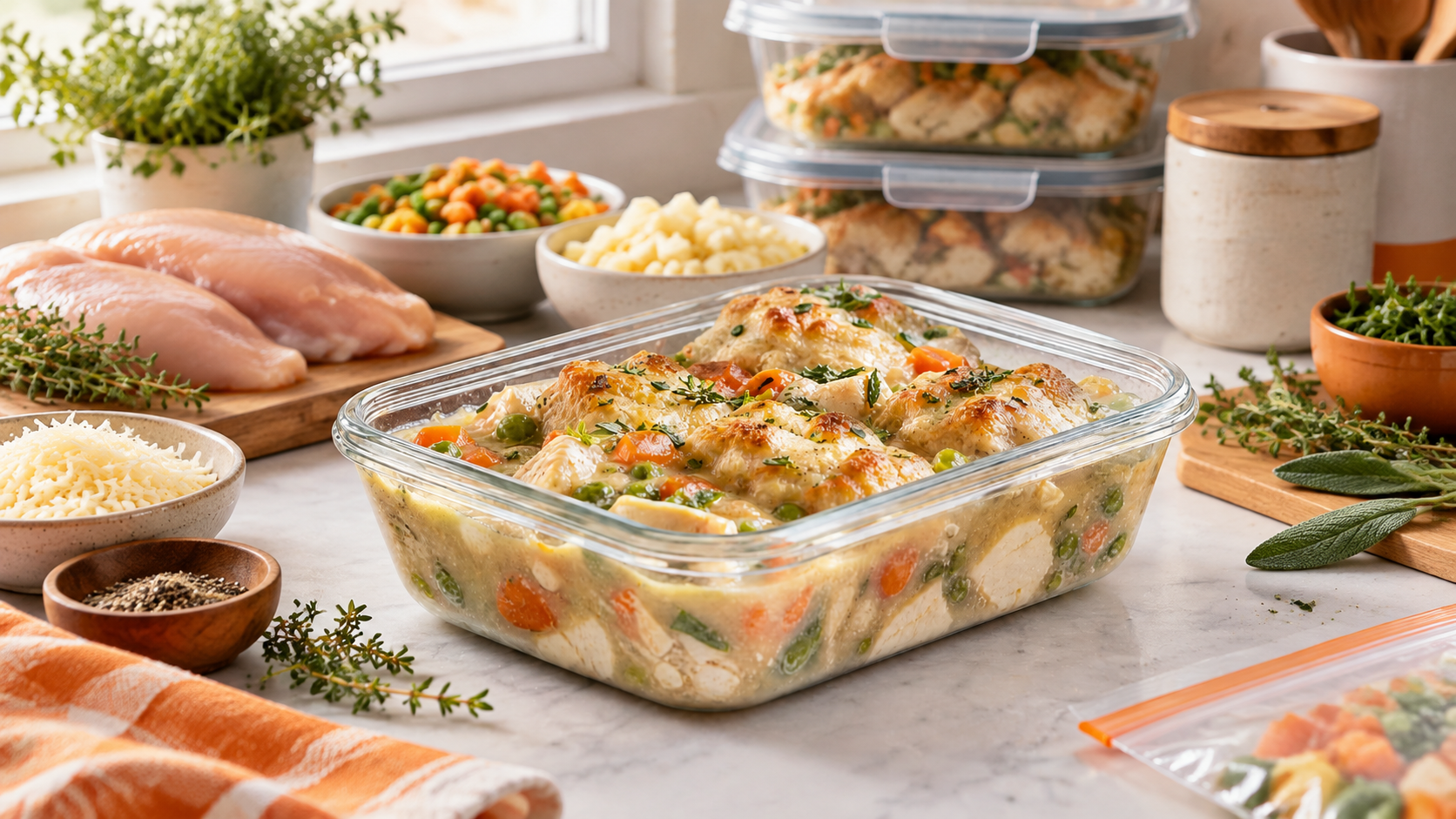
That is why freezing components often works better than freezing complete dinners. This way, you prepare foundational elements ahead of time. You still build the meal fresh, but the hardest parts are already done. This helps when one person wants tacos, another wants a rice bowl, and you do not want three separate cooking projects or a sink full of pans.
Freeze the parts that slow you down
The best things to freeze are not always full recipes. They are the bottlenecks. Cooked taco meat. Rice. Meatballs. Shredded chicken. Softened onions. A small container of pesto or tomato sauce.
Those ingredients remove the steps that usually make dinner feel too big to start. If the protein and base are ready, you can turn them into different meals with very little extra work. Rice becomes burrito bowls one night and fried rice the next. Meatballs can go into pasta for one person and a sub roll for another. That flexibility matters in real households, especially when tastes and dietary needs do not line up neatly.
A simple freezer setup might look like this:
-
Protein base: meatballs, shredded chicken, cooked beans, or seasoned ground meat
-
Starch support: rice, quinoa, or farro in meal-sized portions
-
Flavor builders: pesto, caramelized onions, tomato sauce, or soup starter vegetables
Keep labels useful, not perfect
A freezer system only helps if you can understand it at 6 p.m. Labels do not need to be detailed. Write the item, the date, and one dinner idea. “Cooked rice. March. Burrito bowls.” is enough.
That last part is easy to overlook, but it solves a common problem. People often freeze food with good intentions, then forget how they planned to use it. One meal cue turns a mystery container into a real option.
If you want more guidance on what freezes well and how to turn those pieces into practical dinners, a make-ahead freezer meal cookbook can give you a clearer system. The product The Freezer Meal Revolution | Digital PDF is a good fit for households that want less nightly scrambling and faster assembly without relying on the same few meals every week.
Weeknight Dinner Quick Picks
| Meal Strategy | Time-Saving Method | Best For | Key Components |
|---|---|---|---|
| One-Pan Meals | Minimal Dishwashing | Balanced Meals | Protein, vegetables, starches cooked together |
| Build-Your-Own Bowls | Customizable Options | Different Tastes/Dietary Needs | Base, protein, vegetable toppings, sauce |
| Air Fryer Main Courses | Quick Cooking | Fast, Nutritious Meals | Proteins and vegetables with minimal oil |
| Strategic Leftovers | Meal Prep Efficiency | Reducing Cooking Frequency | Repurposing core components for varied meals |
| Upgraded 20-Minute Pastas | Quick Nutrition Boost | Fast, Satisfying Meals | Pasta with high-protein, low-prep additions |
| No-Cook Assembly Meals | Zero Cooking Required | Non-Cooks | High-quality prepared ingredients for quick assembly |
| Freezer-Ready Components | Prepped Building Blocks | Faster Weeknight Cooking | Batch-cooked and frozen components for easy assembly |
Make Easy a Habit, Not a Hope
The easiest weeknight dinners usually aren’t a single set of recipes. They’re a handful of repeatable strategies that remove the parts of dinner that wear people down. Cleanup, indecision, mismatched preferences, and meals that don’t satisfy all matter just as much as cook time.
One-pan cooking helps when the sink is already full and nobody wants extra dishes. Build-your-own bowls help when the table includes different appetites, ages, or eating styles. The air fryer helps when the main course needs to happen fast without much supervision.
Cook once, eat twice reduces planning pressure later in the week. Smarter pasta night closes the gap between quick and filling. No-cook assembly meals cover the evenings when even simple cooking feels like too much. Freezer components create a buffer so scratch cooking doesn’t have to begin from zero every time.
That’s the main lesson behind easiest weeknight dinners. Easy is personal. For one household, it means one skillet and a bagged salad. For another, it means rice bowls with separate toppings so everyone can eat the same dinner in a different way. For another, it means accepting that sandwiches and a loaded salad count as a proper meal.
What helps most is choosing two or three of these strategies and repeating them until they become routine. A household might decide that Mondays are one-pan meals, Wednesdays are bowls, and Fridays are assembly dinners. Another might keep cooked grains in the freezer, beans in the pantry, and one reliable pasta formula on standby. The exact pattern matters less than the consistency.
For home cooks who want more ideas to support that routine, curated digital recipe collections can be useful because they reduce planning friction. The One-Pan Kitchen and The Air Fryer Everyday Cookbook are especially well suited to this kind of weeknight cooking because they focus on simple formats that fit real schedules. When dinner is built around methods that already match daily life, it becomes easier to repeat, easier to adapt, and much easier to enjoy.
Pick one strategy from this list and put it on the calendar for the next three weeknights, then stock ingredients that match it. For a wider set of simple ideas built for this exact problem, browse the Fast Weeknight Dinners collection.