Planning a healthy dinner gets complicated when you’re working with a protein, several vegetables, and limited time for cooking and cleanup. Healthy sheet pan dinner recipes simplify the process by roasting everything on one pan. You can build a complete meal with protein, vegetables, and a satisfying starch without managing multiple pots and pans.
That format matters for households that cook often. A 2024 analysis of U.S. adults found that dinner was cooked at home every day in 36% of households, while 30% cooked dinner five or six times weekly. The same analysis connected cooking frequency with the combined burden of preparation and cleanup. A single tray can't remove all kitchen work, but it can reduce the number of pans and decisions involved.
The eight meals below include salmon, chicken, shrimp, white fish, turkey, pork, chickpeas, and tofu. Each has a practical roasting sequence, flexible substitutions, a nutrition snapshot, and a specific way to use leftovers. If you're building a broader approach to everyday eating, pair these recipes with other simple sustainable diet changes. Adapt portions, seasonings, and substitutions to your household and dietary needs.
Table of Contents
- 1. Mediterranean Roasted Salmon with Vegetables
- 2. Herb-Roasted Chicken Breast with Root Vegetables
- 3. Sheet Pan Shrimp Fajitas with Peppers and Onions
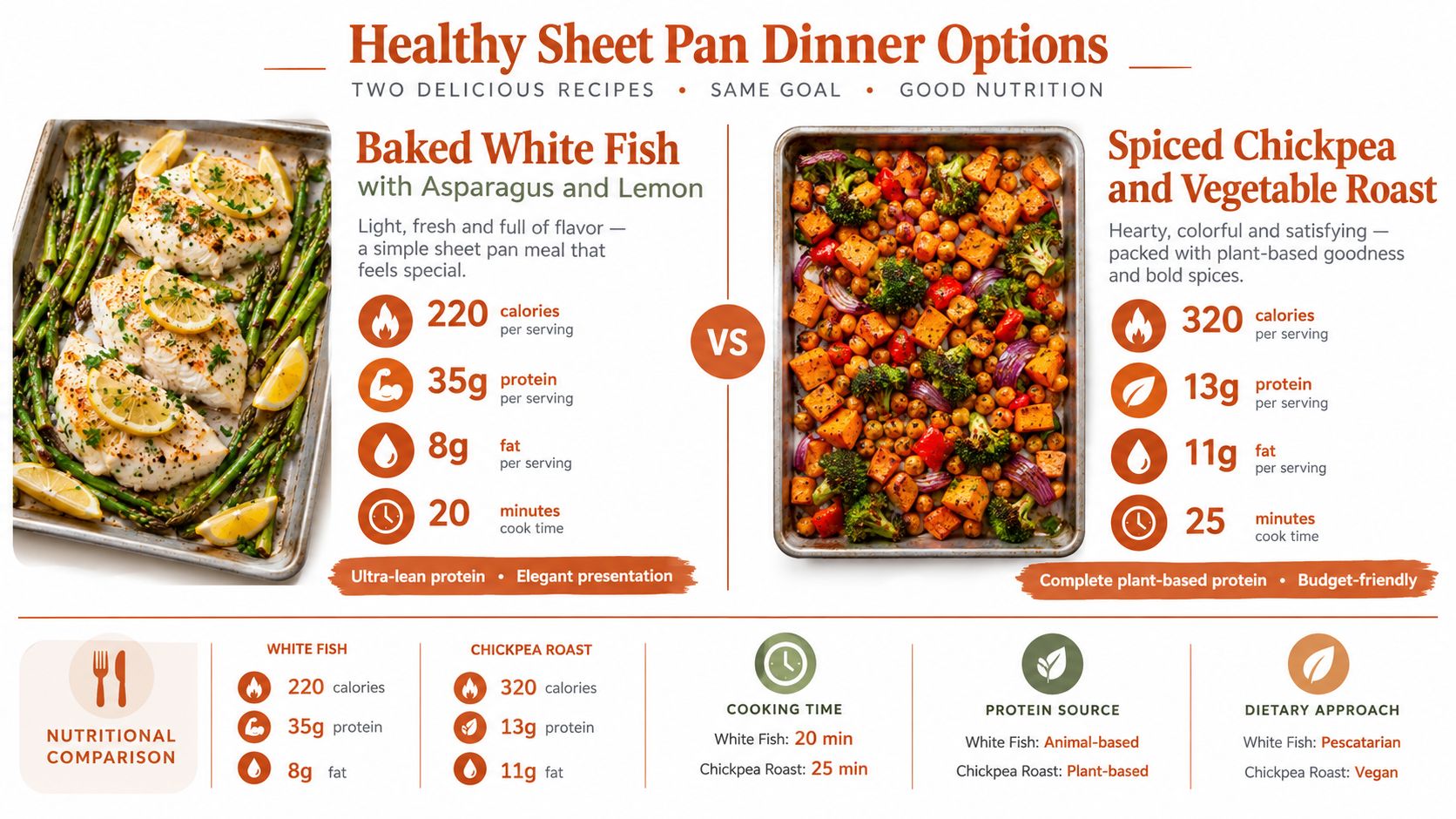
- 4. Baked White Fish with Asparagus and Lemon
- 5. Spiced Chickpea and Vegetable Roast
- 6. Turkey Meatball Sheet Pan with Marinara and Zucchini
- 7. Thai-Inspired Tofu and Vegetable Roast with Peanut Sauce
- 8. Italian-Seasoned Pork Tenderloin with Roasted Vegetables
- 8 Healthy Sheet-Pan Dinners Comparison
- Build Your Weeknight Sheet-Pan Rotation
1. Mediterranean Roasted Salmon with Vegetables
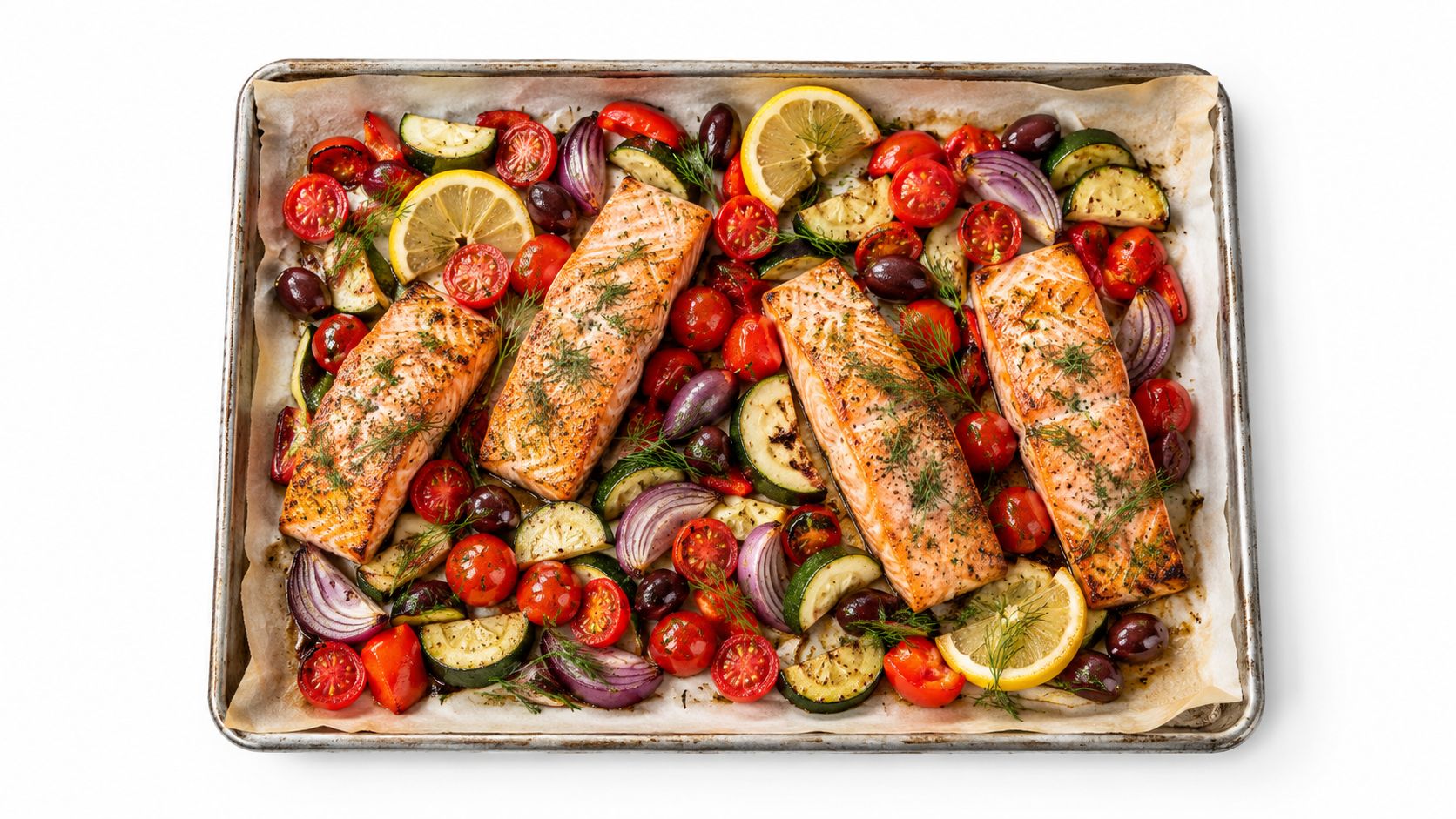
Salmon works especially well on a sheet pan because it can roast alongside vegetables without needing a complicated sauce. Use salmon fillets, zucchini, cherry tomatoes, red onion, olives, lemon, herbs, and a measured amount of olive oil. The result is colorful, filling, and naturally suited to a Mediterranean-style dinner.
Start by heating the oven and lining the pan with parchment. Cut the vegetables into similarly sized pieces, but keep dense vegetables smaller than zucchini or tomatoes. Toss them with olive oil, garlic, dried oregano, salt, and pepper, then spread them in one layer. Roast the vegetables first until they begin to soften. Pat the salmon dry, season it separately, and place it among the vegetables for the remaining cooking time.
Practical rule: Crowding creates steam instead of browning. Leave visible space around the salmon and vegetables, or use two pans.
The full meal takes about 25 minutes, according to the Mediterranean cooking guidance from Just Cook It. Check the salmon for a moist center that flakes easily, then finish with lemon juice and fresh parsley. Asparagus or broccoli can replace the zucchini, though broccoli needs smaller florets and may benefit from starting earlier.
The nutrition profile is built around protein, unsaturated fat, fiber, and vegetables, rather than a heavy sauce. A vegetable-forward plate also supports a practical response to a documented dietary gap. A nutrition summary reports that only 14% of adults meet combined fruit-and-vegetable recommendations, so making vegetables a substantial part of the pan is more useful than treating them as decoration.
For leftovers, flake the salmon into a grain bowl with the roasted vegetables, lemon, and a spoonful of yogurt. The vegetables also work cold in a lunch salad. Readers who want more dishes built around this flavor profile can find Mediterranean Home Kitchen | Digital PDF, a collection of everyday recipes spanning Mediterranean soups, salads, mains, breads, desserts, and sauces.
2. Herb-Roasted Chicken Breast with Root Vegetables
Chicken breast is dependable, but it punishes uneven preparation. A thick end can stay undercooked while a thin end dries out, especially when carrots or sweet potatoes need more time. Pound the breasts to an even thickness, then cut carrots, parsnips, or other firm vegetables smaller than softer vegetables so everything finishes together.
Toss the vegetables with olive oil, rosemary, thyme, garlic, salt, and pepper. Put the root vegetables on the pan first and roast them until they start to lose their raw firmness. Add the chicken after that initial stage, leaving space between pieces. The chicken should reach 165°F internally, and resting it for five minutes helps the juices settle, as explained in this guide to healthy meals with chicken breast.
Make the pan work for meal prep
This dinner has a mild flavor base, which is its main advantage. You can serve it with lemon and parsley one night, then change the leftovers with a yogurt herb sauce, a little curry seasoning, or a vinaigrette. Sweet potatoes, beets, Brussels sprouts, and carrots can all rotate through the vegetable portion, although beets may stain other ingredients and need separate handling.
The nutrition snapshot is straightforward: lean protein, fiber-rich vegetables, and a substantial carbohydrate source from the root vegetables. That combination is more satisfying than chicken and a small garnish of vegetables, particularly when dinner needs to carry you through a busy evening.
For efficient prep, wash and cut the vegetables during a meal-planning session, then store them separately from the raw chicken. Roast a larger batch and portion the cooled food into containers for lunches. Leftover chicken can become a sandwich filling, while the vegetables can be folded into eggs or warmed with grains.
Pound the chicken before seasoning, not after. It's the simplest way to make the protein and vegetables finish on the same schedule.
3. Sheet Pan Shrimp Fajitas with Peppers and Onions
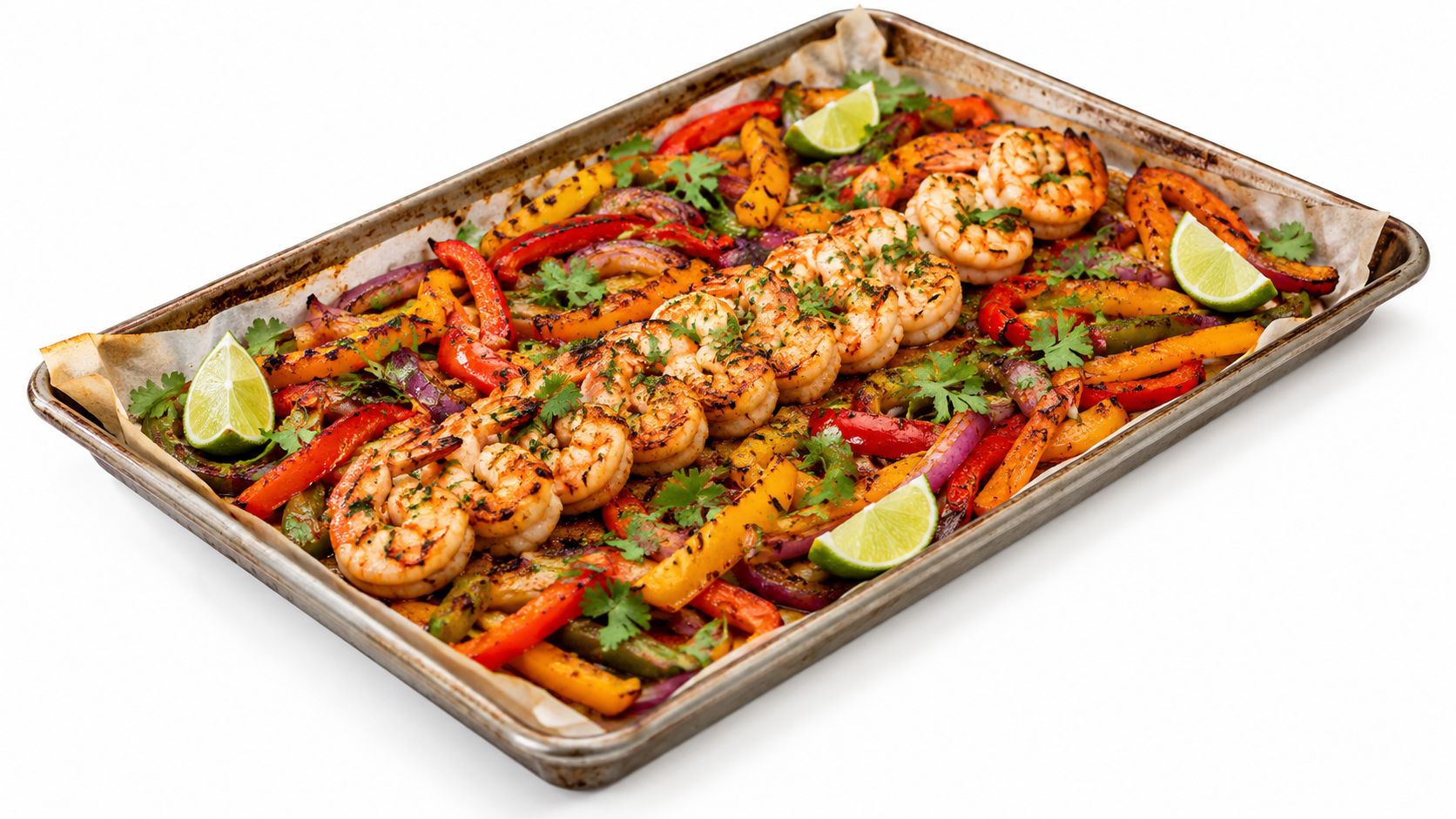
Shrimp fajitas are the right choice when the evening is already late. Peppers and onions need enough heat to soften and caramelize, while shrimp need only a short final roast. Put both on the pan at the same time and you'll often get tough shrimp before the vegetables are ready.
Slice peppers and onions uniformly, toss them with oil and fajita seasoning, and roast them first. While they cook, thawed shrimp should be patted completely dry and seasoned with chili powder, cumin, garlic, salt, and pepper. Add the shrimp after the vegetables have had their head start. Roast just until the shrimp turn opaque and curl gently. An instant-read thermometer can help, with the recipe guidance placing finished shrimp at 120 to 130°F in this healthy Mexican dinner collection.
Serve the fajita mixture in corn tortillas, whole-grain tortillas, or bowls with rice. Lime juice is not optional from a flavor perspective. Its acidity cuts through the oil and spices and keeps the meal from tasting flat. Avocado, cabbage, salsa, or plain yogurt can add contrast without requiring another cooked side.
The trade-off: Shrimp are fast, but they offer less forgiveness than chicken. Keep the final roasting stage short and serve them immediately.
The nutrition snapshot includes lean seafood protein and a generous serving of peppers and onions. Add beans or a whole-grain base if you need a more substantial dinner, or use cauliflower rice when you prefer a lighter bowl.
For leftovers, remove the shrimp from the tortillas and store them separately from any wet toppings. Reheat gently in a skillet or eat them chilled over greens. The peppers and onions can also become an omelet filling or a topping for a baked potato.
4. Baked White Fish with Asparagus and Lemon
White fish is useful when you want a light dinner that still feels complete. Cod, haddock, pollock, or another firm fillet can work, provided the pieces are similar in thickness. The method is gentle: asparagus and aromatics roast around the fish, while lemon, garlic, and herbs provide enough flavor without a thick coating.
Arrange the asparagus on a lined pan and season it with olive oil, garlic, salt, and pepper. Place the fish on top or beside it, then add lemon slices and a little dill or parsley. Don't flip the fillets. One-sided cooking protects their delicate texture and makes the recipe easier for a beginner to manage.
Cook until the thickest part is opaque and flakes easily, checking the center rather than relying only on the surface. A thermometer is useful for confirming doneness. Green beans, broccoli, or sugar snap peas can replace asparagus, but dense broccoli should be cut into small florets and may need a longer start.
Keep the meal complete
The nutrition snapshot is lean protein, vegetables, and a controlled amount of oil. The fish and asparagus make a light combination, so add potatoes, brown rice, beans, or whole-grain bread when you want greater staying power. That adjustment is better than labeling every lower-calorie plate as automatically balanced.
Fresh fish can be purchased shortly before cooking and kept cold until needed. Frozen fillets are also practical when thawed in the refrigerator overnight. For entertaining, arrange the full pan in advance, refrigerate it, and bake it when guests arrive, but don't leave raw fish sitting at room temperature.
Leftover fish should become something new rather than being repeatedly reheated. Fold it into a lemony salad, mix it with herbs for fish cakes, or break it over toast with a crisp cucumber topping. The asparagus can be served cold with vinaigrette or chopped into a grain salad.
5. Spiced Chickpea and Vegetable Roast
A good chickpea sheet-pan dinner depends on browning. Rinse canned chickpeas thoroughly, dry them until their surfaces feel mostly free of moisture, then toss them with cumin, smoked paprika, coriander, garlic, and a modest amount of oil. Wet chickpeas steam instead of developing crisp edges, so drying them is part of the cooking process.
Cut sweet potatoes or other dense vegetables into small, even pieces and roast them first. Add mushrooms, peppers, broccoli, or onions based on how quickly they cook. Broccoli florets can replace peppers, while cauliflower works well with the same spice blend. Stir the pan halfway through so the chickpeas and vegetables brown on more than one side. Toasting the dry spices briefly in a skillet before adding them to the oil gives the roast deeper flavor, although the dinner works without that extra step.
The nutrition snapshot is plant-based protein, fiber, vegetables, and a flexible starch component. The U.S. Department of Veterans Affairs one-pot meal guidance combines a fiber-rich starch, 2 to 4 cups of non-starchy vegetables, and approximately 6 to 8 ounces of raw protein in a one-pot structure. Here, chickpeas provide the protein base. Quinoa, rice, or flatbread can add staying power when vegetables alone leave the meal feeling light.
Balance matters: A measured serving of rice, quinoa, or flatbread can improve satisfaction without taking attention away from the vegetables.
Finish the roast with lemon, tahini, or yogurt. Store grains separately so they do not absorb moisture. Use leftovers in pita with greens, over salad, or in a warm bowl with fresh sauce. For more meatless tray bakes, see this guide to vegetarian sheet pan meals.
6. Turkey Meatball Sheet Pan with Marinara and Zucchini
Turkey meatballs turn a sheet pan into a practical version of a comfort-food dinner. Mix lean ground turkey with breadcrumbs, egg, garlic, Italian herbs, and grated onion, handling the mixture gently. Overmixing compacts the meat and produces dense meatballs. Wet hands make shaping easier and keep the mixture from sticking to your fingers.
Arrange the meatballs with zucchini, bell peppers, or mushrooms on a lined pan. Roast until the meatballs are cooked through, then add warmed marinara for serving, or use a pan-safe sauce if the recipe is designed for it. Zucchini cooks quickly, so pair it with another soft vegetable rather than large pieces of potato that need a separate start.
Whole-grain pasta makes the meal more filling, but don't expect dry pasta to cook properly just because it shares a tray with meatballs. Cook the pasta separately, or use a prepared grain and keep the sheet pan focused on the protein and vegetables. A low-sugar marinara lets the tomatoes, herbs, and roasted vegetables carry the flavor.
The nutrition snapshot is lean protein, vegetables, tomato-based sauce, and a whole-grain carbohydrate. Add spinach or chopped sun-dried tomatoes to the marinara when you want more plant variety. The recipe also adapts well to bell peppers, mushrooms, or extra zucchini.
For leftovers, freeze cooked meatballs in a single layer before transferring them to a container. That keeps them from sticking together. Refrigerated meatballs can top pasta, fill a sub roll, or become a lunch bowl with marinara and roasted vegetables. Prepare the meatballs ahead and refrigerate them for short-term use, or freeze them for a later dinner.
7. Thai-Inspired Tofu and Vegetable Roast with Peanut Sauce
Tofu needs preparation before roasting. Press firm tofu for at least 15 minutes to remove excess water, then cut it into even three-quarter-inch cubes. Toss the cubes with a little oil, soy sauce, lime, garlic, and a touch of cornstarch if you want a firmer exterior. Spread them apart from snap peas, peppers, carrots, or bok choy so the tofu can brown instead of steam.
Roast the tofu and vegetables until the edges color, turning the tofu gently halfway through. Too much stirring breaks the cubes and prevents a crust from forming. While the pan cooks, whisk peanut butter with lime juice, soy sauce, garlic, and enough water or coconut milk to reach a pourable consistency.
The sauce is where the main trade-off appears. Peanut sauce adds richness and makes tofu satisfying, but it can overwhelm delicate vegetables if poured on too early. Serve it at the table or drizzle lightly after roasting. Jasmine rice, brown rice, or cauliflower rice can turn the pan into a complete bowl, depending on how substantial you want the meal.
Sauce separately, leftovers better. Store the peanut sauce in its own container so the tofu and vegetables don't soften overnight.
The nutrition snapshot is plant-based protein, colorful vegetables, and fat from peanuts, with the rice choice determining much of the meal's texture and staying power. Snap peas can become green beans or bok choy, and the sauce can be made ahead so dinner assembly stays quick.
For leftovers, reheat the tofu and vegetables in a hot skillet or toaster oven rather than microwaving them until soft. Use the remaining food in lettuce cups, rice bowls, or a cold noodle salad. A short lead-in to the method is also available in the accompanying video.
8. Italian-Seasoned Pork Tenderloin with Roasted Vegetables
Pork tenderloin gives you a more polished dinner without demanding restaurant-level technique. Trim any visible silver skin, rub the tenderloin with olive oil, garlic, rosemary, oregano, salt, and pepper, and place it on a pan with vegetables such as fennel, onions, peppers, or Brussels sprouts.
Start the vegetables first if they're dense. Add the pork once the pan is hot and the vegetables have begun to soften. Roll the tenderloin once during roasting if one side is browning faster, then let the meat rest before slicing. The center should be cooked through while remaining juicy, so use an instant-read thermometer and avoid cutting immediately after removing it from the oven.
A light pan sauce can come from lemon juice, chicken stock, herbs, and the browned juices left on the parchment-free parts of the pan. If you use parchment for easier cleanup, you may get less fond for the sauce. That's a real trade-off. Choose parchment when speed matters, and roast directly on a lightly oiled pan when you want more concentrated pan flavor.
The nutrition snapshot is lean pork, roasted vegetables, and optional whole grains or potatoes. Pork pairs well with apples, mustard, white beans, or a sharp cabbage salad, so the same basic roast can feel different across the week.
Slice leftovers thinly for sandwiches with mustard and greens. You can also chop the pork into a grain bowl, fold it into a warm white-bean salad, or serve it cold with roasted vegetables and vinaigrette. Keep the sauce separate when storing so the meat doesn't become soggy.
8 Healthy Sheet-Pan Dinners Comparison
| Recipe | Implementation complexity | Resource requirements | Expected outcomes | Ideal use cases | Key advantages |
|---|---|---|---|---|---|
| Mediterranean Roasted Salmon with Vegetables | Low, simple sheet‑pan assembly, basic roasting steps | Moderate, fresh salmon (higher cost), common Mediterranean produce, sheet pan | Heart‑healthy (omega‑3), ~380 kcal, flaky salmon, colorful roasted vegetables | Busy weeknights, Mediterranean‑style healthy dinners, quick entertaining | Nutrient‑dense, one‑pan cleanup, gluten/dairy‑free, visually appealing |
| Herb‑Roasted Chicken Breast with Root Vegetables | Low–Moderate, straightforward but needs attention to breast thickness/thermometer | Low, affordable chicken and root vegetables, basic pantry herbs, sheet pan | High protein (~38g), ~285 kcal, tender chicken when timed correctly | Meal prep, portion‑controlled eating, budget‑friendly weeknights | Lean protein, shelf‑stable veg, beginner‑friendly, scalable |
| Sheet Pan Shrimp Fajitas with Peppers and Onions | Low, very fast cook but narrow timing window for shrimp | Moderate, quality shrimp can be pricier, high‑heat oven required | Quick, vibrant meal, ~245 kcal, caramelized vegetables and tender shrimp | Ultra‑quick weeknights, low‑carb or fajita‑style meals, flexible serving options | Ultra‑fast, highly customizable spice profile, versatile servings |
| Baked White Fish with Asparagus and Lemon | Low, minimal technique but narrow cooking window for fish | Moderate, fresh white fish quality matters, seasonal asparagus, simple aromatics | Ultra‑lean protein (~35g), ~220 kcal, delicate flaky texture, elegant presentation | Beginners, light dinners, date‑night or entertaining meals | Minimal ingredients, quick cook, sophisticated flavor, low‑calorie |
| Spiced Chickpea and Vegetable Roast | Low, simple tossing and roasting, pantry‑forward prep | Low, canned chickpeas and affordable vegetables, common spices | Plant‑based protein (~13g), ~320 kcal, high fiber, hearty leftovers | Vegetarian meal prep, budget‑friendly dinners, plant‑forward eating | Affordable, vegan, high‑fiber, scalable, excellent leftovers |
| Turkey Meatball Sheet Pan with Marinara and Zucchini | Moderate, meatball forming plus coordinating pasta cooking | Low–Moderate, ground turkey, whole‑wheat pasta, marinara, sheet pan | Balanced macronutrients (~35g protein), ~420 kcal, family‑friendly comfort | Family dinners, freezer‑friendly make‑ahead meals, comfort‑to‑healthy swaps | Familiar flavors, freezer‑ready meatballs, adaptable pasta options |
| Thai‑Inspired Tofu and Vegetable Roast with Peanut Sauce | Moderate, tofu pressing and sauce preparation increase steps | Low–Moderate, extra‑firm tofu and pantry Asian ingredients; peanut allergy caution | Plant‑based (~16g protein), ~360 kcal, rich Thai flavors, satisfying texture | Vegan dinners, global‑flavor meals, batch sauce meal prep | Complete plant protein, make‑ahead peanut sauce, highly versatile |
| Italian‑Seasoned Pork Tenderloin with Roasted Vegetables | Moderate, requires accurate roasting and finishing pan sauce | Moderate, pork tenderloin (mid‑price), seasonal vegetables, simple pantry items | Lean pork, juicy texture, ~30 min total, restaurant‑quality finish | Special weeknight dinners, entertaining, protein‑forward meals | Elegant presentation, quick for premium protein, flavorful pan sauce |
Build Your Weeknight Sheet-Pan Rotation
A useful rotation starts with the evening rather than the recipe title. Choose shrimp fajitas when you need the fastest meal and can stay near the oven for the short final cooking stage. Choose white fish when you want something light and simple. Both reward careful timing, but neither is especially forgiving if left in the oven too long.
Chicken breast and pork tenderloin suit familiar meal prep. Chicken accepts many seasoning profiles and pairs naturally with root vegetables, grains, or salads. Pork feels more substantial and works well when you want leftovers for sandwiches or grain bowls. Both benefit from a thermometer because appearance alone can't reliably tell you whether the center is ready.
The salmon pan is a strong choice when you want colorful vegetables and a bright, herb-forward finish. It also demonstrates why a measured amount of oil and good spacing matter. Guidance from Tufts Nutrition recommends about 1 tablespoon of neutral plant oil per 1 to 2 pounds of vegetables, a single spread-out layer, and a preheated oven around 400 to 450°F. The same guidance recommends checking vegetables every 10 to 15 minutes to limit excessive charring. Roasting can reduce some heat-sensitive vitamins, while improving the availability of some carotenoids, so the practical target is browned and tender, not blackened.
For plant-forward dinners, alternate the chickpea roast and tofu pan. Chickpeas bring a hearty, rustic texture and pair with grains or flatbread. Tofu takes more preparation, particularly pressing and careful spacing, but its peanut sauce and vegetable combinations offer a different kind of richness. Turkey meatballs sit between the two categories, giving you a familiar family dinner with room for more vegetables and a lighter sauce.
Build every pan around the same workflow:
- Cut for cooking speed: Make dense vegetables smaller and keep softer vegetables in larger pieces.
- Stage the pan: Roast slow-cooking ingredients first, then add fish, shrimp, chicken, or other quick-cooking components.
- Measure the oil: Enough supports browning and helps the body absorb fat-soluble vitamins, but excessive oil can make vegetables greasy.
- Check the center: Use a thermometer when the protein's doneness isn't obvious, especially with chicken, shrimp, fish, and pork.
- Plan the second meal: Store grains, sauces, and crisp components separately when possible.
- Cool and refrigerate promptly: Divide leftovers into shallow containers so they're easier to chill and reuse.
Home cooking also has a time limit that recipes often hide. One analysis of national nutrition and time-use data found that people appeared willing to spend roughly one hour per day cooking, or about 20 minutes per meal according to the published analysis. That's why active preparation deserves as much attention as oven time. A recipe that roasts for a while but requires little hands-on work may fit your evening better than a supposedly faster meal with extensive chopping.
If you want more single-pan ideas beyond these eight, The One-Pan Kitchen from Just Cook It is a relevant next step for building a broader collection of everyday meals. You can also supplement gaps with VitzAi as part of your wider approach to nutrition, while keeping these dinners focused on practical, balanced cooking.
Start with two recipes that match your schedule, not eight ingredients you'll struggle to use. Chop the vegetables during a quieter part of the day, label the leftovers by intended use, and keep one fast seafood option plus one plant-forward option in regular rotation. That small system turns the sheet pan from a convenient trick into a dependable weeknight cooking method.
Just Cook It offers downloadable digital cookbook e-books with kitchen-tested recipes, clear steps, practical cooking guidance, and collections organized around everyday cuisines and quick dinners. Visit Just Cook It to explore Mediterranean, Mexican, Japanese, Balkan, healthy eating, and other recipe collections that can expand your sheet-pan rotation.