Homemade lime sherbet should be refreshing and creamy, with a soft scoop and a clean burst of citrus in every bite. Yet getting that texture right can be surprisingly tricky. Too often, the finished sherbet freezes hard, develops noticeable ice crystals, or takes on a grainy consistency. The lime flavor may be spot-on, but without the right balance of ingredients and technique, the silky texture that makes sherbet so satisfying can easily disappear.
The good news is that the fix usually isn't fancy equipment or obscure ingredients. It's understanding how sugar, dairy, acid, and freezing work together, then following a tighter method from start to finish. For readers who want to keep going after sherbet, Dessert After Dark: 75 Viral Dessert Recipes | Digital PDF is a digital cookbook the publisher sells for home bakers who want gooey centers, glossy ganache, torched meringue, and other after-dark desserts worth lingering over.
Table of Contents
That Perfect Scoop of Homemade Lime Sherbet
Lime sherbet has a very specific job. It needs to taste cold, sharp, and refreshing on the first bite, but it also has to soften on the tongue instead of crunching like a frozen juice block. That balance is why so many home batches disappoint. The flavor is easy. The texture is where things get lost.
A lot of cooks start with good intentions and a simple formula: lime juice, sugar, milk, freezer. Then the result sets up hard, forms rough crystals, or tastes flat because the sugar never fully dissolved. The problem usually isn't effort. It's that many lime sherbet recipes skip the reasons behind the steps.
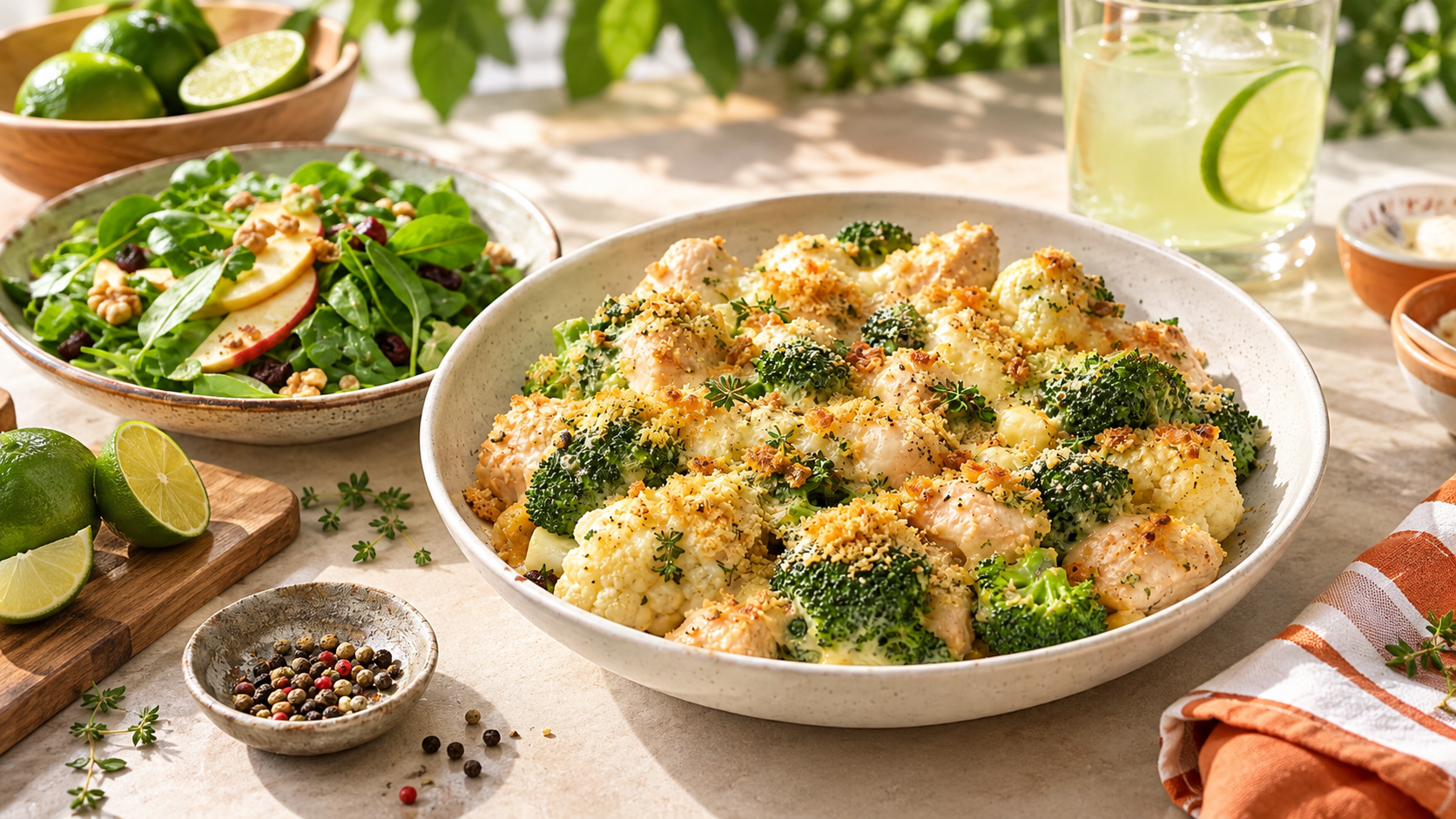
What works better is a method that treats sherbet as a frozen dairy dessert with rules, not as a casual citrus slush. That means dissolving sugar completely, chilling the base before churning, and giving the finished sherbet time to harden after it leaves the machine.
A sherbet base can taste finished before it freezes well. Those are not the same thing.
That same attention to lighter comfort desserts is part of healthier classic dessert ideas, where the point isn't stripping away pleasure but getting the texture and balance right.
What usually goes wrong
-
Undissolved sugar: Tiny crystals stay in the base and lead to a gritty finish.
-
Warm mixture: A base that goes into the machine too warm churns slowly and freezes with larger ice crystals.
-
Too little dairy: Lime stays vivid, but the body turns thin and icy.
-
No hardening time: Freshly churned sherbet often looks done before it's actually scoopable.
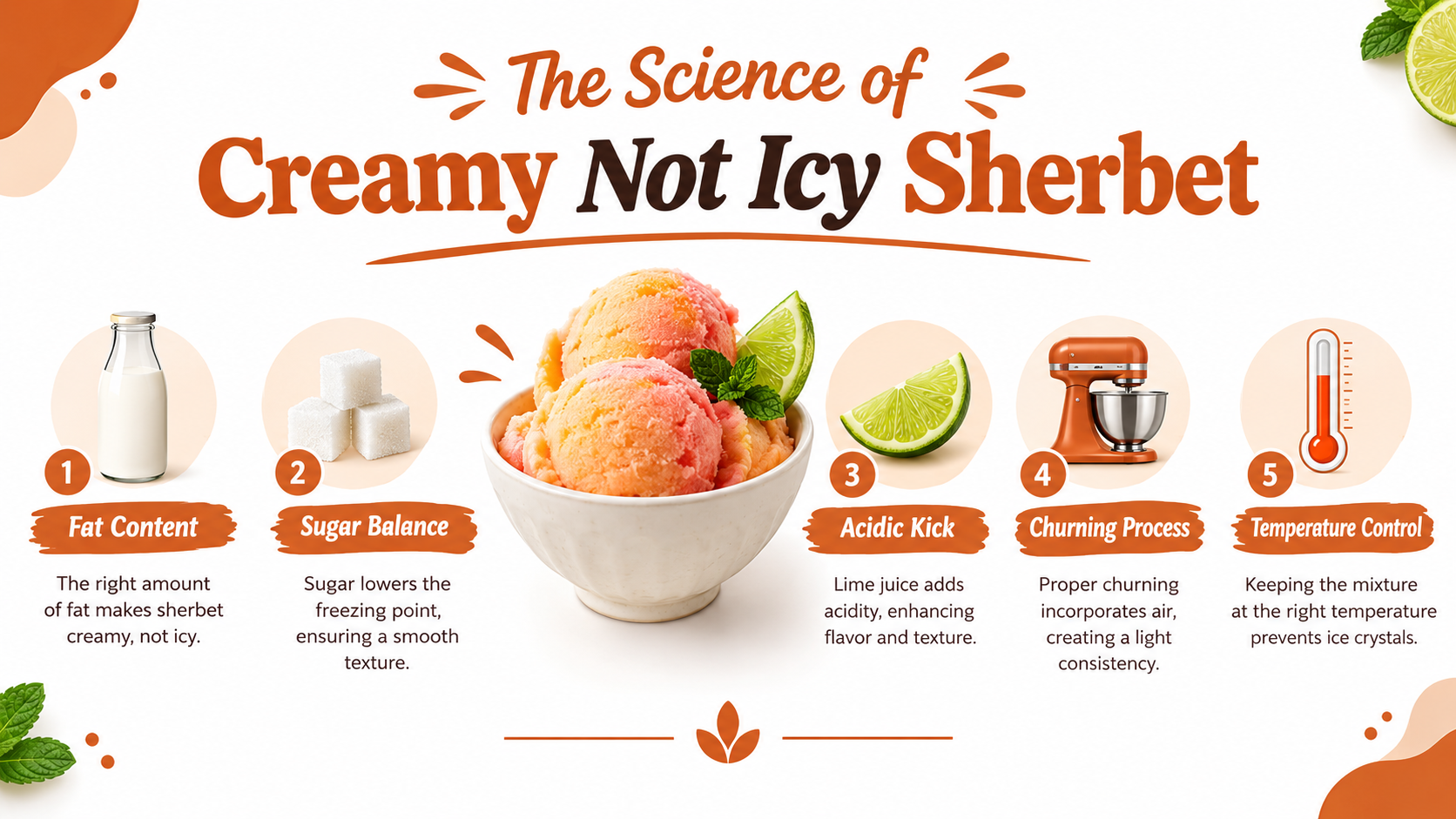
The Science of Creamy Not Icy Sherbet
Sherbet sits in a narrow middle ground between sorbet and ice cream, and that middle ground is what gives it its appeal. In the United States, federal food standards for sherbet define it as a frozen product with between 1% and 2% milkfat, plus a fruit acid level of at least 0.35% when it's fruit-characterized. That legal definition explains the texture better than most recipe headnotes do. Sherbet is meant to be creamy, but still light and tangy.
Why dairy matters
A small amount of dairy changes the structure of the dessert. Milk, half-and-half, cream, or other dairy ingredients add body and soften the frozen texture. Without that support, lime sherbet drifts toward flavored ice.
Commercial ingredient lists reflect that balance. One packaged lime sherbet uses water, sugar, corn syrup, nonfat milk, cream, concentrated lime juice, and stabilizers, which is a useful reminder that even a light frozen dessert still relies on structure, not just flavor.
Why sugar does more than sweeten
Sugar isn't there only for taste. It also helps control how firmly the mixture freezes. When sugar is under-measured, under-dissolved, or unevenly mixed, sherbet tends to set up harder and icier.
That is why ratio awareness matters so much in frozen desserts. A cook who understands how ingredient ratios shape texture has a much easier time adjusting lime, dairy, and sweetness without wrecking scoopability.
After the base is mixed, temperature takes over. The mixture should be cold before churning, but not frozen. Tested workflows for lime sherbet note that a cold base churns more cleanly, while premature freezing leads to rougher texture and weaker emulsification.
The acid problem
Lime is what makes sherbet exciting, but it's also what can make dairy misbehave. Acid can push milk toward curdling if it's added carelessly or left sitting too long in a poorly balanced base.
A few practical habits help:
-
Cold base first: Chill the sweet dairy mixture before adding the final lime elements.
-
Zest timing: Add zest late, or work it into the sugar so the citrus oils stay fragrant instead of turning harsh.
-
Moderate dairy choice: A modestly richer dairy base usually freezes smoother than juice, water, and sugar alone.
A Foolproof Recipe for Vibrant Lime Sherbet
A reliable sherbet method starts with process, not with a long ingredient speech. The goal is a base that is fully sweetened, evenly mixed, cold, and bright without bitterness.
Build the base correctly
Start by making a sugar-water base and stirring until the sugar is fully dissolved. This is the step that prevents hidden grit later. Once the sugar is dissolved, add the dairy and chill the mixture thoroughly in the refrigerator.
For cooks who are still building confidence with step-by-step dessert technique, the same discipline behind beginner-friendly kitchen practice applies here. A calm sequence beats improvising once the mixture is already cold.
Zest timing: Lime zest carries aromatic oils that make sherbet smell vivid, but overworking zest or letting it sit too long in dairy can push the flavor toward bitterness.
A practical approach is to blend zest into the sugar phase or add it near the end of churning. Then stir in the lime juice once the base is cold and balanced.
Churn until it looks right
Pour the chilled base into an ice cream maker with a properly frozen bowl. Churn until the sherbet reaches a frosty, soft-serve-like texture. Tested lime sherbet workflows commonly place that churn time at about 20 to 30 minutes in an ice cream maker, then call for a freezer rest of 2 to 8 hours for a firm, scoopable finish, as described in this tested lime sherbet method.
Visual cues matter more than impatience here:
-
Early stage: The mixture looks loose and glossy.
-
Middle stage: It thickens and starts clinging to the dasher.
-
Finish stage: It holds soft ridges and resembles soft-serve.
If the machine runs but the base stays soupy, the bowl may not have been cold enough, or the base may have gone in too warm.
Harden before serving
Freshly churned sherbet is usually too soft for a clean scoop. Transfer it to an airtight freezer-safe container, smooth the top, and cover it well. Then let it harden until the texture firms up.
A few habits make a difference:
-
Shallow packing: Spread the sherbet evenly so it chills consistently.
-
Tight cover: Limit surface crystallization and freezer burn.
-
Patience at service: Let the container sit briefly at room temperature if it freezes very firm.
That final rest is where the dessert becomes sherbet instead of frozen foam.
How to Make Great Sherbet Without an Ice Cream Maker
No machine doesn't mean no sherbet. It means the cook has to do the crystal control by hand.
The basic method is staged freezing. Pour the cold sherbet base into a shallow metal pan or baking dish and place it in the freezer. During the first part of freezing, pull it out regularly and whisk or scrape it aggressively to break up forming ice crystals.
The manual freezing rhythm
Tested no-machine guidance for lime sherbet uses repeated whisking every 30 to 60 minutes during the first 2 to 3 hours to keep crystals smaller and the final texture smoother. A fork works, but a sturdy whisk usually breaks up icy edges faster.
Use this sequence:
-
First freeze: Let the base sit until the edges begin to firm.
-
First whisk: Scrape the sides and whip the slushy center together.
-
Repeat rounds: Return it to the freezer and keep breaking up crystals as they form.
-
Final set: Once the mixture is evenly thick and mostly frozen, pack it into an airtight container to finish firming.
What to expect
Hand-frozen sherbet is usually a bit denser than churned sherbet, but it can still be smooth and satisfying. The mistake is freezing it solid in one pass and hoping for the best.
That same make-ahead mindset matters in other cold storage cooking too, especially with freezer meal planning, where texture depends on how food is packed, chilled, and stored rather than on ingredients alone.
Creative Flavors and Serving Ideas
Classic lime sherbet already has a strong identity, but it also adapts well. Some of the more interesting modern directions pair lime with other citrus, tropical fruit, or aromatic ingredients that deepen the flavor without burying it.
Smart ways to vary the base
A few changes can shift the sherbet in useful directions:
-
Citrus layering: Add orange or lemon alongside lime for a rounder, less sharp profile.
-
Tropical pairing: Fold in mango for a softer fruit note that still lets lime lead.
-
Aromatic lift: Infuse the sugar base with herbs or citrus leaf, then strain before chilling.
Recent recipe trends also hint at broader adaptation, including combinations such as lime with orange and lemon, makrut lime leaf, or mango. What matters is keeping the sherbet base balanced so the add-ins don't dilute texture.
For cooks who enjoy sharper citrus desserts, a tangy grapefruit frozen dessert approach shows how another assertive fruit can be handled without losing creaminess.
The party-bowl version still works
Lime sherbet also has a long life beyond the scoop. By 1952, printed American recipes were already using it in punch bowls, including a version with 1/2 gallon of lime sherbet, 2 bottles of ginger ale, and 1 large can of pineapple juice to serve 25 people, as noted in a historical sherbet punch reference.
That old formula still makes sense because sherbet brings three things at once: sweetness, citrus, and body. For a modern version, the same idea works in a chilled bowl with the sherbet added just before serving so it stays foamy and cold.
Troubleshooting Common Sherbet Mistakes
Most sherbet failures are fixable. The bigger issue is that many online recipes don't explain why the batch went wrong in the first place. Texture troubleshooting is still a weak spot in this category, and this discussion of homemade lime sherbet gaps points out the same recurring problems beginners hit: dairy choice, curdling, and iciness.
The fast diagnosis
When sherbet turns out badly, the cause is usually visible:
| Problem | Likely Cause | Quick Fix |
|---|---|---|
| Icy texture | Sugar wasn't fully dissolved, or the base froze too slowly | Dissolve sugar completely before chilling, and start with a very cold base |
| Rock-hard scoop | The balance is too lean or the sherbet didn't stabilize well | Use a modest dairy component and let it soften briefly before scooping |
| Grainy finish | Crystals formed during freezing or storage | Churn properly or whisk repeatedly in staged freezing, then store airtight |
| Curdled base | Lime hit dairy under poor conditions | Chill the dairy mixture first and add lime with control |
| Flat lime flavor | Zest or juice timing was off | Add zest late or work it into the sugar phase for a cleaner aroma |
Ingredient choices matter more than they seem
Milk, yogurt, cream, and half-and-half don't behave the same way. A lighter dairy can keep the sherbet refreshing, but if the formula gets too lean, the texture suffers. A richer dairy improves body, but too much can push the dessert away from the bright, light style people expect from sherbet.
That is why a cook should change one variable at a time. If the batch is icy, fix the sugar dissolution or freezing method before blaming the limes. If the base curdles, adjust the order and temperature before adding more cream.
For readers who want to move from sherbet troubleshooting into richer late-night baking, the publisher sells Dessert After Dark: 75 Viral Dessert Recipes | Digital PDF, a digital cookbook built around gooey centers, glossy ganache, torched meringue, and other cozy, indulgent desserts for after-dark baking.

Dessert After Dark: 75 Viral Dessert Recipes | Digital Cookbook (PDF)
Get the CookbookSherbet gets easier once the cook stops treating iciness as bad luck. It usually comes from a specific choice that can be corrected on the next batch.
The same mindset carries into chocolate desserts, custards, and frozen treats. Better results come from reading texture early, adjusting one thing at a time, and keeping notes on what changed.
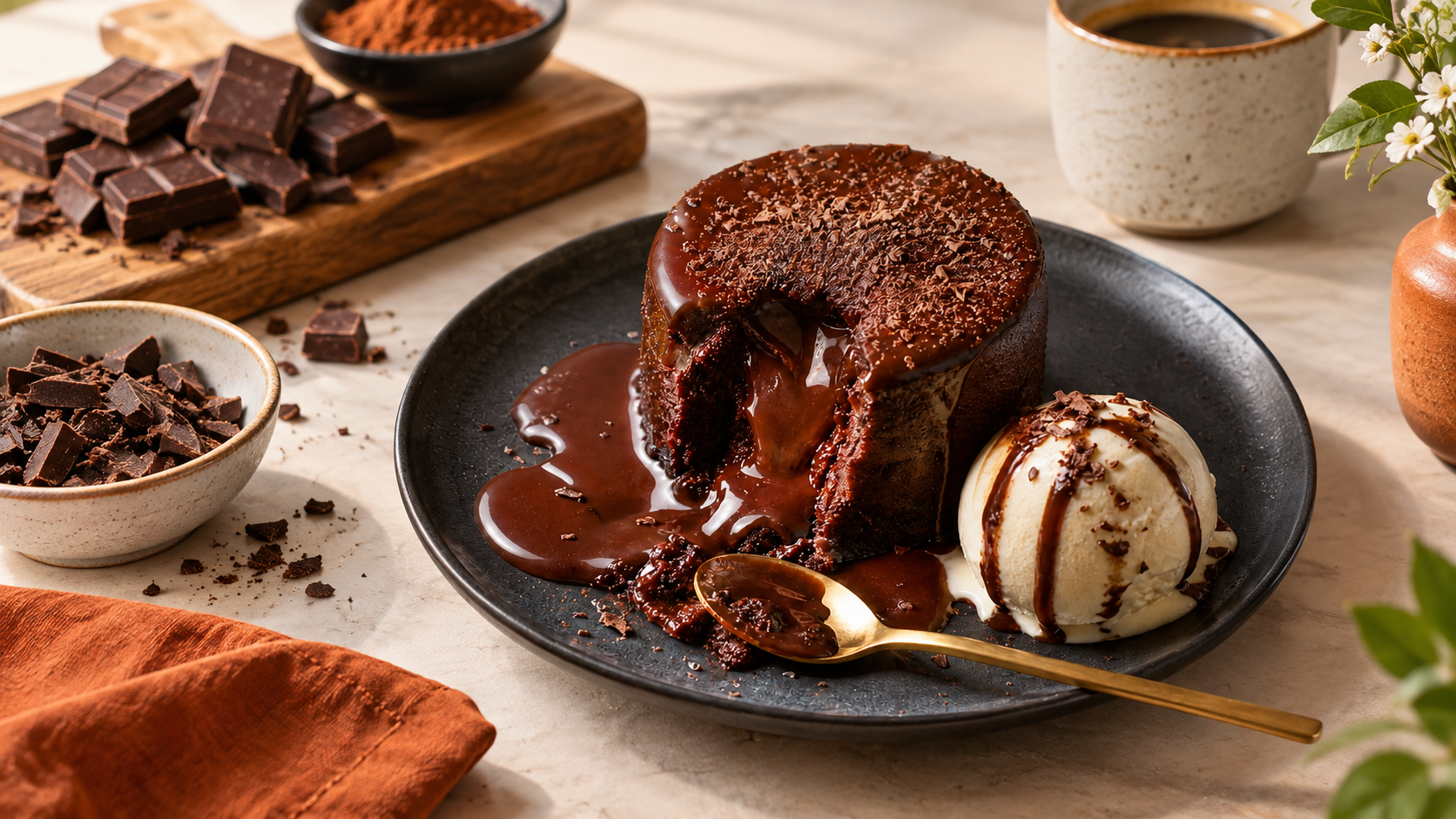
A smoother sherbet batch usually comes down to better control of sugar, dairy, acid, and freezing, and that same control pays off in richer desserts too. Dessert After Dark: 75 Viral Dessert Recipes | Digital PDF gives home bakers a focused collection of cozy, indulgent recipes for the kind of texture-driven desserts this article has been building toward. Shop it if the next step is moving from bright lime sherbet to gooey centers and glossy ganache.