Courgettes, peppers, and tomatoes can form the basis of a Mediterranean dinner in 40 minutes. Roast, sauté, or simmer the vegetables with olive oil and herbs, then add grains, beans, eggs, cheese, or bread to make the meal more filling.
These Mediterranean diet recipes vegetables work because each solves a different kitchen problem. Ratatouille and caponata improve with time. Briam uses one roasting pan. Pisto turns a few vegetables into a thick sauce. Tabbouleh needs no oven, while stuffed vegetables make peak-season produce feel like a complete dinner. The methods are rooted in a food tradition historically built around affordable local plants, grains, legumes, olives, and olive oil rather than specialty ingredients, as this guide to Mediterranean eating explains.
The list is organised by workload and cooking role, not by country. You'll see what to prep, where recipes go wrong, and when each dish earns a place in your weekly rotation.
Table of Contents
- 1. Ratatouille
- 2. Briam
- 3. Pisto Manchego
- 4. Caponata Siciliana
- 5. Imam Bayildi
- 6. Gemista
- 7. Tabbouleh
- 8. Pasta alla Norma
- 8 Mediterranean Vegetable Recipes Comparison
- Build a Vegetable-Forward Mediterranean Week
1. Ratatouille
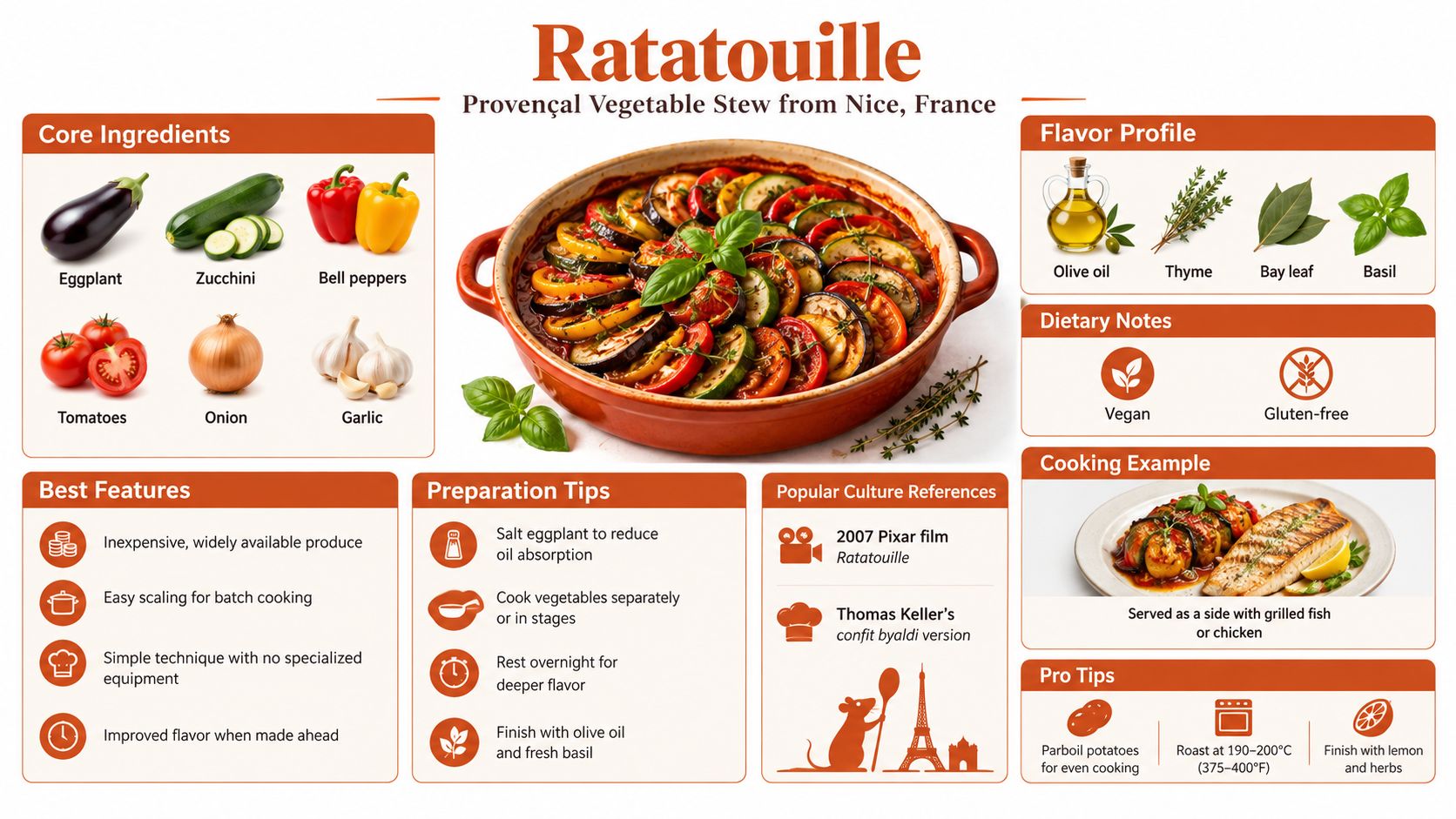
The vegetable drawer is full, dinner can wait, and the oven is already busy. Ratatouille suits that situation. Eggplant, courgette, peppers, tomatoes, onion, and garlic cook with olive oil and herbs until soft, glossy, and concentrated. The dish comes from the Provençal tradition around Nice, where seasonal produce provides the character instead of a heavy sauce.
The main technique is staged cooking. A crowded pan makes courgette release water, eggplant absorb oil, and tomatoes steam the vegetables. Salt eggplant cubes or slices, leave them for 20 to 30 minutes, then dry them well. Cook the eggplant, courgette, peppers, and onion in batches or separate stages. Combine them with tomatoes, garlic, thyme, bay, and basil only after the vegetables have taken on some colour.
Practical rule: Ratatouille improves as it rests. Serve it warm, at room temperature, or cold the next day.
The trade-off is time in exchange for better texture. A final drizzle of olive oil and torn basil freshens the soft vegetables. Serve ratatouille with bread or polenta, spoon it over grains, or place it beside grilled fish or chicken. It also keeps well as a make-ahead component, making it useful for Mediterranean meal prep.
For everyday cooking ideas beyond this dish, Mediterranean Home Kitchen | Digital PDF includes vegetable-rich recipes, soups, salads, breads, sauces, and main courses.
Watch the technique to see how the vegetables are handled.
2. Briam
Briam is the oven's answer to a busy evening. Potatoes, courgettes, eggplant, tomatoes, onions, and peppers roast together with olive oil, garlic, parsley, and sometimes oregano. The pan does most of the work, leaving you with tender vegetables, browned edges, and a savoury cooking juice that begs for bread.
Cut the potatoes smaller than the other vegetables. They're denser and need more time. Parboiling them also works if you're using large pieces. Spread everything in a roomy baking dish, season well, and roast at 190 to 200°C. Stir halfway through so the vegetables brown instead of steaming in one position.
The dish is common in Greek home cooking and suits summer produce, but the method adapts well to whatever is available. Fresh tomatoes make the pan juicy. Canned tomatoes can help when fresh ones are pale or out of season, though you'll need to watch the liquid.
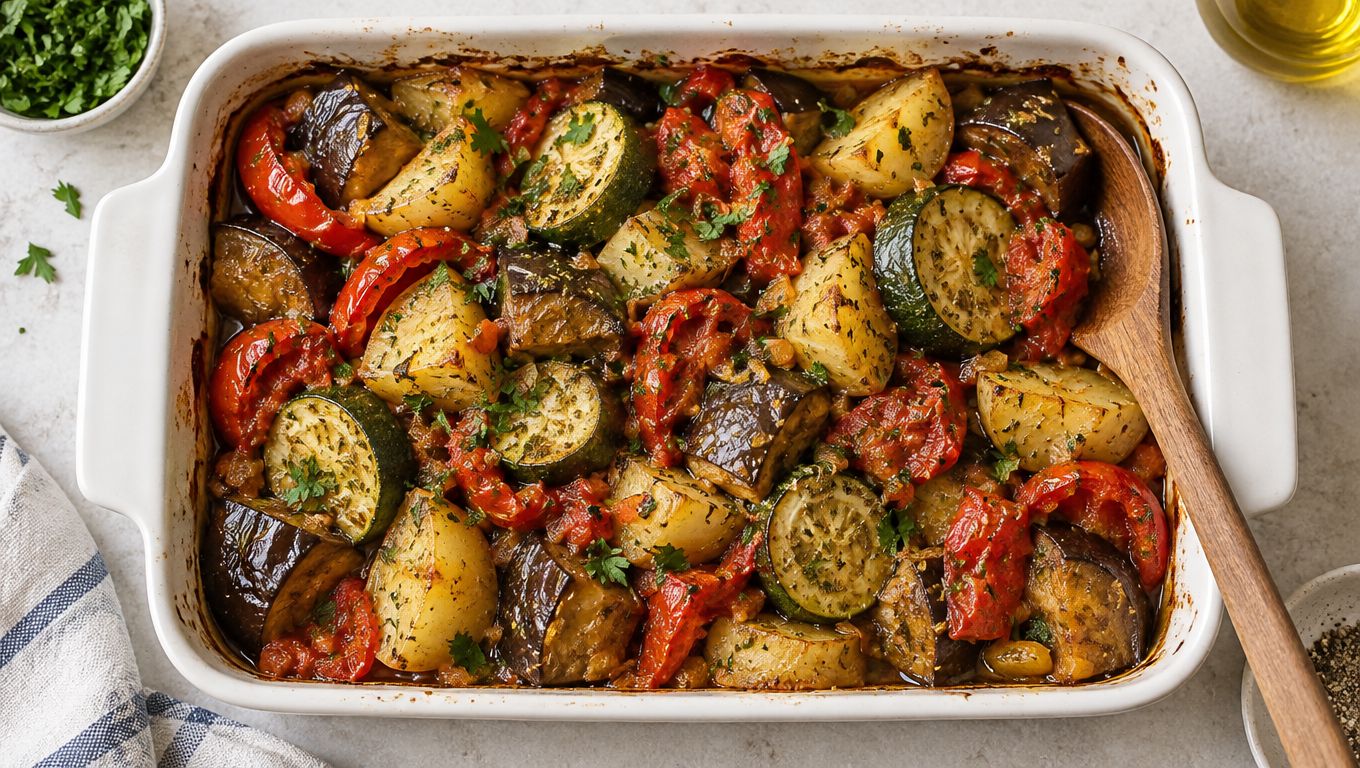
Finish with lemon juice and fresh parsley. Keep the juices in the pan and spoon them over the vegetables at the table. Feta and bread turn briam into a practical meat-free meal, while a smaller portion works beside fish or grilled meat.
The pan shouldn't be dry. Those olive-oil and tomato juices are part of the dish, not a problem to drain away.
Briam is best when you need a hands-off dinner and have enough oven space for a single generous dish. It's less useful when you're in a hurry, since potatoes still set the pace, but it rewards simple preparation and produces dependable leftovers.
3. Pisto Manchego
Pisto starts on the hob and finishes as a thick vegetable sauce. It's associated with La Mancha and uses tomato, courgette, green pepper, onion, garlic, olive oil, and often paprika. Unlike a quick sauté, pisto needs gentle cooking. The onion and pepper should become sweet before the tomato joins the pan.
Start with the onion and peppers over moderate heat. Don't rush this stage. Add garlic, then tomato, courgette, salt, and paprika. Simmer uncovered near the end so excess liquid evaporates. You're looking for a spoonable mixture that holds its shape on toast, not a watery stew.
Ripe tomatoes are excellent in season. Canned plum tomatoes are more reliable when the fresh options lack flavour. The trade-off is texture. Fresh courgette keeps some structure if added later, while longer cooking gives you a softer, more unified sauce.
Make it a complete meal
Pisto is often served with a fried egg on top. The runny yolk supplies richness and turns the vegetable mixture into a filling lunch or dinner with crusty bread. You can also spoon it over rice, bulgur, or another grain, though the classic bread-and-egg combination is hard to beat.
The dish fits households that want vegetables to feel familiar rather than austere. The tomato base brings sweetness, paprika adds warmth, and the egg gives the meal a clear centre. It's also easy to scale and reheats without much fuss.
Texture check: Drag a spoon across the pan. If the channel immediately fills with liquid, keep reducing before serving.
Pisto works best as a stovetop meal when the oven is occupied or the weather is warm. It takes more attention than briam, but that control lets you adjust sweetness, acidity, and softness as you cook.
4. Caponata Siciliana
Caponata is for the day before the gathering. This Sicilian eggplant dish combines roasted or fried eggplant with celery, onion, tomato, capers, olives, vinegar, and a little sugar. Pine nuts and raisins add contrasting texture and sweetness. The finished dish belongs to the agrodolce tradition, so it should taste sweet, sour, salty, and savoury at once.
Roasting the eggplant at high heat is the practical weeknight choice. It gives you browned edges with less oil and less stovetop splatter than frying. Frying produces a richer, silkier result, but it also asks you to manage batches and absorb more cooking fat. Neither method is wrong. Choose based on time and the texture you want.
Cook the celery and onion separately enough that they soften without disappearing. Add the tomato, capers, olives, and eggplant, then stir in vinegar and sugar near the end. Taste repeatedly. A little more vinegar can sharpen a flat mixture, while too much will dominate the dish.
Why resting matters
Caponata improves as it cools. Let it rest for several hours before serving, or prepare it the day before. The eggplant takes on the sweet-sour sauce, and the separate ingredients settle into a more balanced whole.
Serve it at room temperature as an antipasto, spoon it over toasted bread, or place it beside grilled fish. Add toasted pine nuts just before serving so they stay crisp. The dish also handles substitutions well. Use the eggplant and tomato base as the anchor, then adjust the celery, olives, and herbs to what you can find.
Caponata is not the fastest item on this list, but it solves the problem of cooking ahead. It's especially useful for a summer table where you want one dish that can sit comfortably without needing last-minute reheating.
5. Imam Bayildi
Imam bayildi turns one whole eggplant into a soft, aromatic meal. The eggplant is split lengthwise, scored, and braised with onions, garlic, tomatoes, parsley, and olive oil. It's associated with Turkish cooking and appears in related forms across Greece and the eastern Mediterranean.
Choose small, firm, glossy eggplants. Large specimens can have more seeds and a tougher skin. Score the flesh without cutting through the base, then cook it moderately rather than blasting it with high heat. The goal is silky flesh that yields to a fork and absorbs the onion-tomato filling.
The legendary story behind the name says an imam fainted from delight, but the story isn't documented history. The useful lesson is more practical: this dish depends on patience. If the eggplant is still firm in the centre, keep cooking and add a small splash of water if the pan looks dry.
The filling makes the dish
Cook the onions slowly until soft and sweet. Add garlic, tomatoes, parsley, and seasoning before spooning the mixture into the eggplant. The filling shouldn't be raw or chunky. It needs enough time to soften so it becomes part of the eggplant rather than sitting on top of it.
Serve imam bayildi warm or at room temperature with lemon wedges and crusty bread. It's a strong choice for a meat-free main, but it doesn't pretend to be a fast dinner. Preparation is moderate, the cooking is gentle, and the reward is texture rather than speed.
Don't judge doneness by the clock alone. A properly cooked eggplant should feel tender from skin to centre.
This is the stuffed vegetable for a slower evening or a table where food can rest before serving. It's less suitable for a rushed family dinner unless you prepare the filling ahead.
6. Gemista
Gemista makes tomatoes and peppers do the work of both container and main ingredient. Hollow them out, fill them with rice, onion, parsley, dill, mint, and olive oil, then bake until the vegetables soften and the rice becomes tender. Courgettes and eggplant can join the tray when you have extra produce.
The main mistake is filling the vegetables too tightly. Rice expands, so leave room inside each tomato or pepper. Parboil the rice briefly if you want a more predictable texture, and add a splash of water or tomato juice to the baking dish. Replace the tomato tops before baking. They keep the filling moist and make the finished dish look complete.
Choose vegetables of similar size. A small pepper beside a very large tomato won't cook at the same rate. If the tops brown before the rice is tender, cover the dish loosely and continue baking.
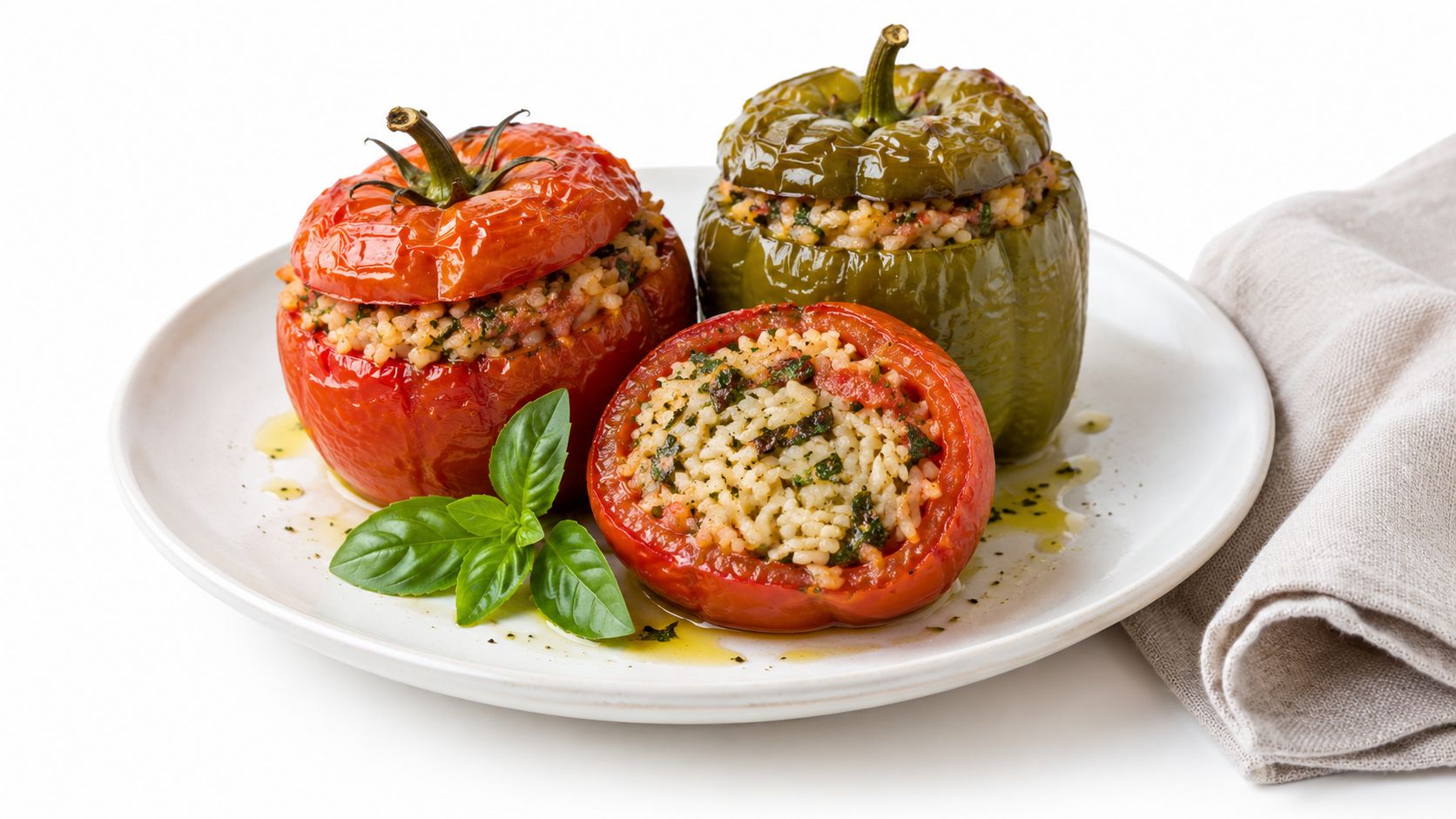
Gemista is a Greek summer staple and works especially well when tomatoes and peppers are at their best. The common meat-free version contains no meat or dairy, making it a natural plant-forward centrepiece. Serve it warm or at room temperature with a spoonful of the tray juices.
For another practical tomato preparation, these roasted cherry tomato instructions fit the same low-waste approach and can supply a useful topping or side.
The trade-off is time. Gemista takes more assembly than briam, but the payoff is a full meal built from vegetables, rice, herbs, and olive oil. It's also a good choice for a weekend table because the tray looks generous without requiring elaborate garnishes.
7. Tabbouleh
Tabbouleh is the no-oven option. It's a Levantine salad built around finely chopped flat-leaf parsley, with smaller amounts of tomato, mint, scallion or onion, and fine bulgur. Lemon juice and olive oil bind everything together. Parsley is the main ingredient, not a decorative sprinkle.
Dry the parsley thoroughly after washing it. Wet herbs dilute the dressing and make the salad heavy. Chop them finely with a sharp knife, soak fine bulgur only briefly, and add tomatoes close to serving so their juice doesn't swamp the bowl.
The salad should taste fresh and lemon-forward. Add olive oil gradually, then adjust lemon and salt at the end. If the bulgur dominates, you've made a grain salad with herbs rather than tabbouleh. If the parsley is coarse, the dish feels rough instead of delicate.
Kitchen observation: A wide, shallow bowl makes tabbouleh easier to season evenly than a deep container.
Tabbouleh suits hot days, packed lunches, and mezze spreads. Serve it with hummus, falafel, flatbread, or alongside roasted vegetables. It's refreshing, but it may not satisfy on its own for long unless you add a substantial accompaniment such as beans, cheese, eggs, or bread.
For more low-effort ideas using familiar ingredients, browse these easy Mediterranean recipes. Tabbouleh is the quickest recipe here, but it's also the one most affected by knife work. Don't rush the chopping, and don't dress it hours ahead if you want the tomatoes and herbs to stay lively.
8. Pasta alla Norma
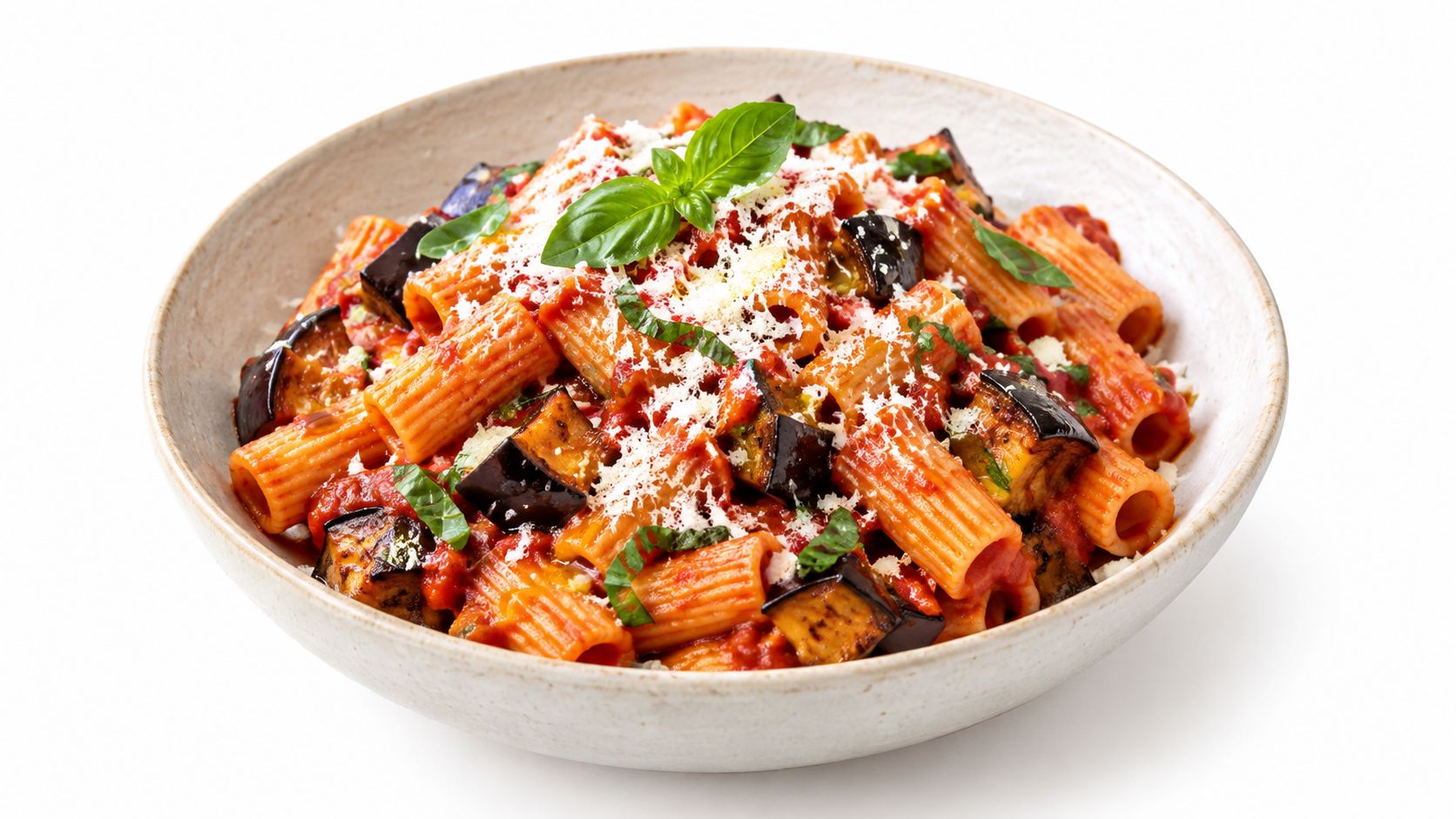
Pasta alla Norma is the weeknight dish for when eggplant needs to become dinner rather than another side. The Sicilian combination uses roasted or fried eggplant, tomato sauce, garlic, basil, and grated ricotta salata, usually with a short pasta such as penne or rigatoni.
Roasting the eggplant is the easier home method. Cut it into even cubes, coat it with olive oil, and roast until browned and tender. Frying gives deeper richness, but it demands more attention and can make the final dish heavy if the eggplant absorbs too much oil.
Build the tomato sauce separately with garlic and olive oil. Cook the pasta until just tender, reserving some cooking water before draining. Toss the pasta through the sauce, adding water gradually until it coats the shapes. Fold in most of the eggplant, then finish with basil and the remaining pieces on top.
Keep the balance
Ricotta salata brings a firm, salty finish. Pecorino or feta can work when it isn't available, though the flavour changes. Use less added salt until you know how salty the cheese is. Basil belongs at the end so it stays bright rather than turning dull in the sauce.
Pasta alla Norma is filling because the pasta carries the roasted vegetable and tomato sauce. It's a stronger standalone dinner than a plain vegetable side, but it still benefits from a fresh salad or lightly dressed greens.
For another useful way to combine pantry staples with vegetables, see these pantry pasta recipes. The best version doesn't drown the eggplant in sauce. Keep the roasted pieces visible, reserve enough pasta water for a smooth coating, and serve immediately.
8 Mediterranean Vegetable Recipes Comparison
| Dish | Implementation complexity | Resource requirements | Expected outcomes | Ideal use cases | Key advantages |
|---|---|---|---|---|---|
| Ratatouille | Medium, staggered/slow cooking to avoid mushiness | Wide heavy pot or skillet, common summer vegetables, olive oil, herbs | Tender, jammy vegetables with concentrated Mediterranean flavors; improves when rested | Side or main, batch cooking, make-ahead, seasonal produce | Vegan/gluten‑free, scalable, simple technique, flavor deepens with time |
| Briam (Greek Oven-Baked Vegetables) | Low, assembly and oven roast; mostly hands‑off | Baking dish and oven, seasonal vegetables, olive oil, garlic, parsley | Golden roasted vegetables with savory pan juices and rustic texture | Low‑effort weeknight or summer main/side, minimal cleanup | Minimal active time, adaptable to available veg, easy cleanup |
| Pisto Manchego | Low, sauté and simmer; forgiving method | Skillet, ripe or canned tomatoes, zucchini, peppers, olive oil, optional egg | Thick, tomato‑forward vegetable stew; spoonable and filling | Quick lunch, tapas, weeknight meal | Fast, economical, beginner‑friendly; optional protein with egg |
| Caponata Siciliana | Medium, frying/roasting plus flavor balancing (agrodolce) | Fryer or oven, eggplant, capers/olives, vinegar, sugar, pantry staples | Sweet‑and‑sour layered flavors; served room temperature; good resting flavors | Antipasto/mezze, make‑ahead for entertaining | Keeps well, versatile uses (topping, spread), bold complex flavor |
| Imam Bayildi (Stuffed Eggplant) | Medium, stuffing and slow braising; oil control needed | Oven or stovetop, whole eggplants, ample olive oil, aromatics | Rich, silky oil‑infused eggplant served warm or at room temp; striking presentation | Meze, make‑ahead, special‑occasion vegetarian main | Impressive presentation, flavors improve with rest, vegan |
| Gemista (Stuffed Tomatoes & Peppers) | High, labor intensive (hollowing and stuffing) | Baking dish/oven, rice, ripe tomatoes/peppers, herbs, time | Complete baked grain‑and‑vegetable meal; tender stuffed vegetables | Summer family meals, festive gatherings, make‑ahead | Self‑contained vegetarian meal, uses peak‑season produce, feeds many |
| Tabbouleh | Low, no cooking but time‑intensive chopping | Sharp knife, bunches of parsley, fine bulgur, lemon, olive oil | Bright, herbaceous salad dominated by parsley; fresh and light | Mezze, hot weather side, quick packed lunches | No cooking, nutrient‑dense, quick to assemble (except chopping) |
| Pasta alla Norma | Low–Medium, pasta plus eggplant prep (fry or roast) | Pot and skillet or oven, pasta, eggplant, tomatoes, ricotta salata or substitute | Rich, satisfying pasta with savory eggplant and cheese; ready in ~30–40 min | Weeknight vegetarian dinners, family meals | Fast, filling, pantry‑friendly, adaptable to roasting for less oil |
Build a Vegetable-Forward Mediterranean Week
A useful weekly rotation doesn't require eight elaborate cooking sessions. Choose dishes by workload. Make tabbouleh when you need a fresh, no-oven meal. Prepare caponata or ratatouille ahead when you want dinner components ready in the fridge. Use briam when you can give one roasting pan time to work. Choose pisto for a stovetop meal, then finish it with eggs and bread.
For a fuller dinner, gemista, imam bayildi, and pasta alla Norma bring more structure. Gemista combines vegetables, rice, herbs, and olive oil in one baking dish. Imam bayildi is slower and softer, so it suits a relaxed meal. Pasta alla Norma is the most direct route from eggplant to a satisfying weeknight bowl.
The wider Mediterranean pattern supports this kind of practical cooking. Published reviews describe vegetables as a daily structural part of meals, prepared with olive oil, grains, legumes, herbs, or fish. Across different Mediterranean dietary models, reported vegetable intake ranges from 3 to 9 servings per day, showing regional variation rather than one rigid menu, as documented in this review of Mediterranean dietary patterns. The point for a home cook is simple. Build meals where vegetables have enough space and flavour to appear often.
A practical serving target can also guide recipe development. Clinical references commonly use two vegetable servings, approximately 200 g in total, with one serving preferably fresh or served as a salad, as described in this Mediterranean diet assessment. You don't need to weigh every tomato forever, but portion-aware recipes help prevent a large vegetable list from becoming a tiny garnish.
Shop for what is in season, then keep a flexible pantry:
- Fresh foundations: lemons, garlic, parsley, basil, mint, onions, and whatever local vegetables look best.
- Reliable staples: olive oil, tinned tomatoes, beans, bulgur, rice, pasta, olives, capers, and vinegar.
- Finishing ingredients: feta, ricotta salata, yogurt, eggs, nuts, and good bread.
- Flexible substitutes: frozen vegetables can work in cooked dishes, while canned vegetables need rinsing and careful seasoning because packaged products may contain excess sodium or other additives.
Taste before serving. Add acid when a dish feels dull, salt when the vegetables taste flat, and olive oil when the finish feels harsh or dry. Moderate or low adherence is common even in Mediterranean-region populations, and research identifies time, habit, cost, food access, and limited cooking confidence as barriers. That makes repeatable formats more useful than recipes that rely on imported produce or specialist equipment, as this research on adapting the Mediterranean pattern makes clear.
For a broader collection of vegetable-generous Mediterranean cooking, Mediterranean Home Kitchen is a downloadable PDF with recipes across appetizers, soups, salads, main courses, side dishes, breads, desserts, and sauces. It offers instant digital access, reading on common devices, and lifetime access to the purchased e-book.
Pick one fresh dish, one roasted dish, and one substantial dish this week. Buy the vegetables you'll cook, prep the herbs before they wilt, and let the method match your available time rather than forcing every recipe into the same weeknight mould.
This weekly meal prep guide can help you plan the rotation around make-ahead components and leftovers.
Just Cook It offers downloadable Mediterranean cookbook e-books with clear, kitchen-tested instructions for everyday home cooking, including vegetable-forward salads, sides, sauces, and main dishes. Visit Just Cook It to find a practical digital collection you can read on your phone, tablet, laptop, or e-reader.