These healthy dinner ideas on a budget are ordered from fastest to slowest, with attention to how well each pantry foundation stretches into batch cooking. You'll find practical substitutions, serving ideas, and ways to use ingredients before they spoil. That matters because the FAO reports that the average global cost of a healthy diet reached 3.96 purchasing-power-parity dollars per person per day in 2022, while 35.4% of the world's population couldn't afford one.
Pick two or three dinners that fit your week. Buy overlapping ingredients, cook one slower base when you have time, and reserve the fastest recipes for busy nights. If noodles are on your list, learn how to make perfect glass noodles every time so a small pantry purchase can work across several meals.
Table of Contents
- 1. Vegetable and Egg Fried Rice
- 2. Red Lentil Dal With Rice
- 3. Oyakodon Chicken and Egg Rice Bowl
- 4. Black Bean Tacos With Cabbage Slaw
- 5. Lentil and Vegetable Soup
- 6. Chickpea and Spinach Curry
- 7. Shakshuka With Eggs in Spiced Tomato Sauce
- 8. Sheet-Pan Chicken Thighs With Seasonal Vegetables
- 9. Pasta e Fagioli
- 10. Greek-Style Gigantes Plaki
- Comparison of 10 Budget-Friendly Healthy Dinners
- Cook One Batch Sunday and Rotate Five Dinners All Week
1. Vegetable and Egg Fried Rice
Cook time: about 15 minutes, using cooked rice
Pantry base: rice, eggs, frozen vegetables, onion, garlic, soy sauce
Best use: leftover rice and a fast second meal
Fried rice works because it turns separate leftovers into one hot, complete dinner. Cold rice that has dried slightly in the refrigerator fries better than freshly cooked rice, so this is an ideal meal for planning ahead rather than cooking from scratch at the last minute. Eggs add an inexpensive protein, while frozen peas and carrots provide color, texture, and vegetables without creating another short-lived ingredient in the fridge.
For two to four servings, heat a wide skillet or wok until hot. Scramble the eggs first, slide them onto a plate, then cook diced onion, garlic, and frozen vegetables before adding the rice. Return the eggs at the end and season with low-sodium soy sauce. A small splash of sesame oil off the heat adds aroma without making the pan greasy.
Practical rule: Spread freshly cooked rice on a tray and refrigerate it uncovered before frying. Drier grains stay separate instead of turning soft and clumpy.
Don't overcrowd the pan. Cook in batches if necessary, especially when using a small skillet. Leftover chicken, tofu, or shrimp can join the pan, but the basic egg and vegetable version is usually the most economical. Make extra rice while preparing another dinner, and you've already shortened the next cooking session.
2. Red Lentil Dal With Rice
Cook time: about 25 minutes
Pantry base: red lentils, rice, canned tomatoes, turmeric, ginger, garlic
Best use: a low-cost pot that reheats well
Red lentil dal is one of the most useful dinners for a tight week. The lentils soften quickly, so you don't need an overnight soak, and the finished dish becomes thicker and more flavorful after resting. Serve it over rice, with flatbread, or alongside plain yogurt if you want the meal to stretch further.
Rinse the lentils until the water is mostly clear. Simmer them with tomatoes, turmeric, ginger, garlic, and enough water or stock to create a spoonable consistency. While the lentils cook, prepare rice in a separate pot. A final tempering of cumin, mustard seeds, or chili warmed in oil gives the dish a deep aroma without requiring a long ingredient list.
The most important technique is adding the spiced oil at the end rather than stirring every spice into the lentils at the beginning. Finish each bowl with lemon juice. The acidity keeps the dish from tasting flat, especially when the pantry ingredients are mild.
For reliable results, use this guide to cook lentils. A pressure cooker can shorten the process further, although red lentils are already quick on the stovetop. Cook a generous pot, refrigerate what you'll eat soon, and freeze the rest in flat portions so it thaws quickly.
3. Oyakodon Chicken and Egg Rice Bowl
Cook time: about 20 minutes
Pantry base: rice, chicken thighs, onion, eggs, soy sauce
Best use: a fresh, single-pan dinner with minimal shopping
Oyakodon combines chicken and egg in a softly set rice bowl. Chicken thighs are usually a better choice than breast for this method because they stay juicy while simmering and work well in small pieces. Onion supplies sweetness, while a sauce made from dashi, soy sauce, mirin, and a little sugar brings the ingredients together.
Start with cooked or quickly steamed rice. Simmer thinly sliced onion and bite-sized chicken in the sauce until the chicken is cooked through. Beat the eggs and pour them in two additions. The first creates a soft coating around the chicken, while the second stays looser and custard-like. Cover the pan briefly to set the surface without drying the eggs.
Serve the mixture directly over rice. A simple green salad or a few pickled vegetables adds freshness, but neither is essential. Use low-sodium soy sauce if you're watching salt, and reduce the sugar if you prefer a sharper sauce.
The dish also illustrates why a small Japanese pantry can work hard. Japanese Home Kitchen | Digital PDF presents everyday recipes built around ingredients such as soy sauce, miso, mirin, sake, dashi, rice vinegar, and sesame. For this dinner, you only need a few of those staples, but the same seasonings can support many other weeknight meals.
4. Black Bean Tacos With Cabbage Slaw
Cook time: about 20 minutes
Pantry base: black beans, corn tortillas, cabbage, lime, spices
Best use: flexible vegetarian dinner with ingredients that keep
Black bean tacos are fast because most of the work is assembly. Warm the beans with onion, garlic, cumin, and smoked paprika, then mash a portion against the side of the pan. The mashed beans create a creamier filling, while the whole beans keep enough texture to make the tacos satisfying.
Cabbage is particularly useful for budget cooking. Unlike delicate salad greens, it keeps well and can serve as taco slaw, soup garnish, stir-fry vegetables, or a crunchy bowl topping. Toss shredded cabbage with lime juice, salt, and a small pinch of sugar. Add avocado or salsa if the budget allows, but the tacos remain good with cabbage and beans alone.
Use-it-up idea: Prepare more slaw than you need for dinner. Add it to grain bowls, sandwiches, or fried rice before it loses its crunch.
Warm corn tortillas in a dry skillet or directly over a gas flame, turning them quickly so they become pliable without drying out. Dried beans can lower the cost further when cooked in a large batch, but canned beans are the better choice on a rushed evening. The trade-off is simple: dried beans demand planning, while canned beans save time.
For a family meal, put the beans, slaw, tortillas, lime, and salsa on the table separately. Everyone can build a portion that suits them, and leftover components become tomorrow's lunch without needing another full recipe.
5. Lentil and Vegetable Soup
Cook time: about 30 minutes
Pantry base: brown or green lentils, canned tomatoes, carrots, onion, celery
Best use: batch cooking and freezer portions
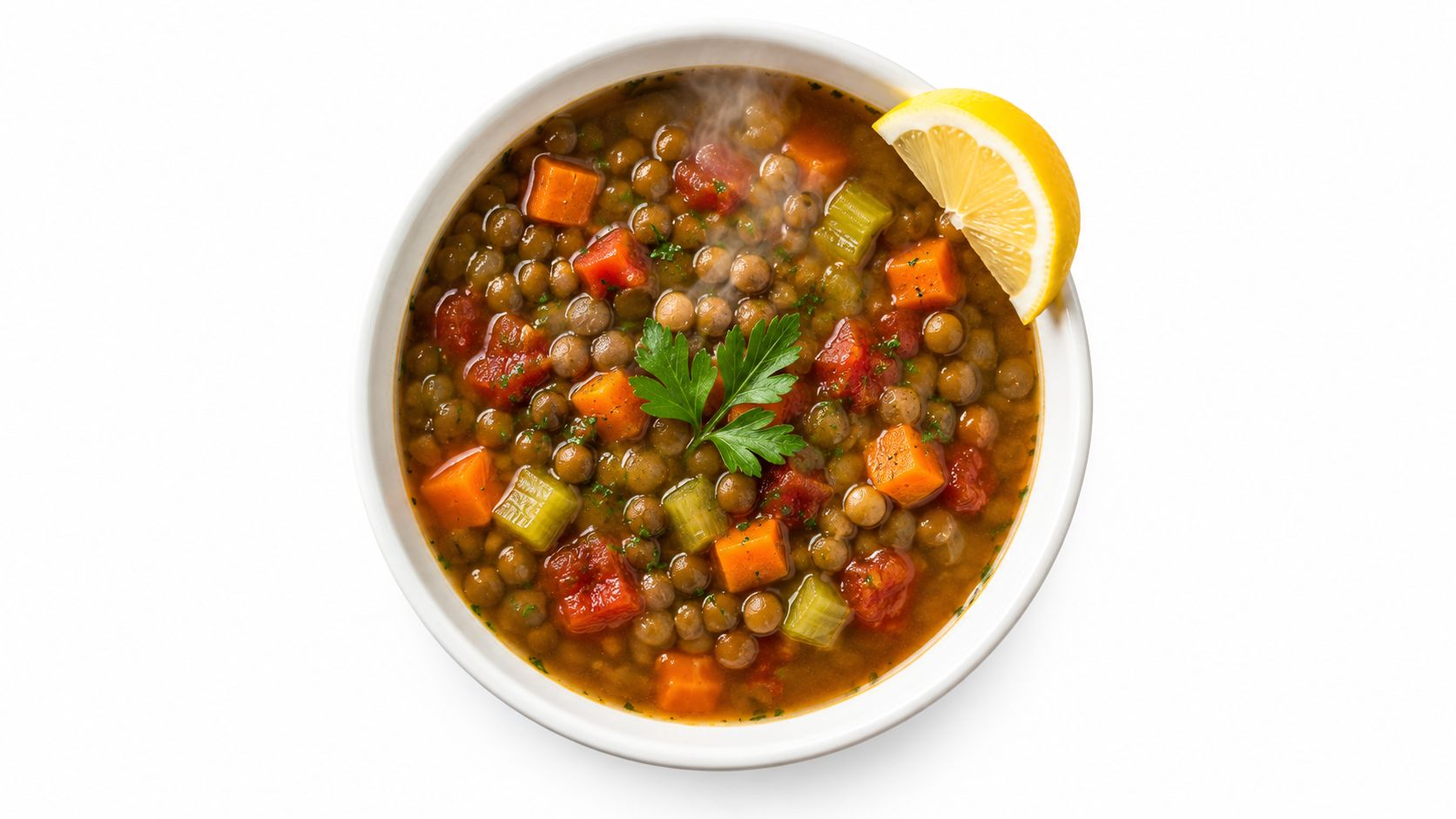
Lentil and vegetable soup is the slow-base option that earns its place in a weekly rotation. Brown or green lentils hold their shape better than red lentils, while carrots, celery, onion, garlic, and canned tomatoes create a full-tasting broth from ordinary ingredients. You can use seasonal vegetables, frozen greens, or whatever needs attention in the crisper drawer.
Sauté the onion, carrot, celery, and garlic in olive oil before adding the lentils, tomatoes, and water or stock. This first step takes a few extra minutes, but it gives the soup more depth than boiling everything together. Simmer until the lentils are tender, then stir in spinach or kale during the last few minutes.
Finish with lemon juice or red wine vinegar. Acid brightens the soup and makes a modest ingredient list taste more complete. Serve it with whole-grain bread, rice, or a baked potato if you need a larger meal.
Make the second meal intentional
A pot like this should produce more than one dinner. Refrigerate the portions you'll eat soon, freeze the rest in single-serving containers, and label them with the date and contents. Use the soup later with a handful of cooked grains, shredded chicken, or an extra can of beans if the texture has thickened in storage.
This approach also addresses a hidden budget problem. The EPA's food-waste report estimates that consumers lose $728 per person annually through uneaten food, while a four-person household loses approximately $2,913 per year. A meal that freezes well protects the money already spent on its ingredients.
6. Chickpea and Spinach Curry
Cook time: about 25 minutes
Pantry base: chickpeas, canned tomatoes, frozen spinach, onion, spices
Best use: vegan batch cooking with a flexible vegetable component
Chickpea curry comes together in one pan and accepts substitutions without losing its identity. Use canned chickpeas for speed or cook dried chickpeas in a large batch for later meals. Add onion, garlic, ginger, cumin, coriander, and garam masala, then stir in tomatoes and let the sauce reduce before adding the chickpeas.
Frozen spinach is a practical choice here. It's available year-round, requires no chopping, and can go directly into the pan. Simmer until hot, then crush a few chickpeas with the back of a spoon to thicken the sauce naturally. A squeeze of lemon and chopped cilantro at the end keeps the curry lively.
Serve it over rice or with flatbread. If the curry feels too thick after refrigeration, loosen it with water while reheating. If it feels too thin, simmer it uncovered for a few minutes. Those small adjustments make leftovers taste freshly cooked instead of merely reheated.
For another source of adaptable, plant-focused meals, browse these quick dinner recipes for Indian vegetarian cooking. The main trade-off is between speed and cost. Canned chickpeas win on convenience, while dried chickpeas make more sense when you already have time for batch cooking.
7. Shakshuka With Eggs in Spiced Tomato Sauce
Cook time: about 25 minutes
Pantry base: canned tomatoes, eggs, onion, peppers, garlic, bread
Best use: one-skillet dinner that stretches with a simple side
Shakshuka turns canned tomatoes and eggs into a dinner with enough sauce to make bread feel substantial. Start by cooking onion, bell pepper, and garlic with cumin and paprika. Add crushed tomatoes and simmer for 10 to 15 minutes, allowing the sauce to thicken before the eggs go in.
Make small wells in the sauce and crack an egg into each one. Cover the skillet briefly so the whites set while the yolks stay soft. If you prefer firm yolks, leave the pan covered for longer, but check often because the eggs continue cooking after the skillet leaves the heat.
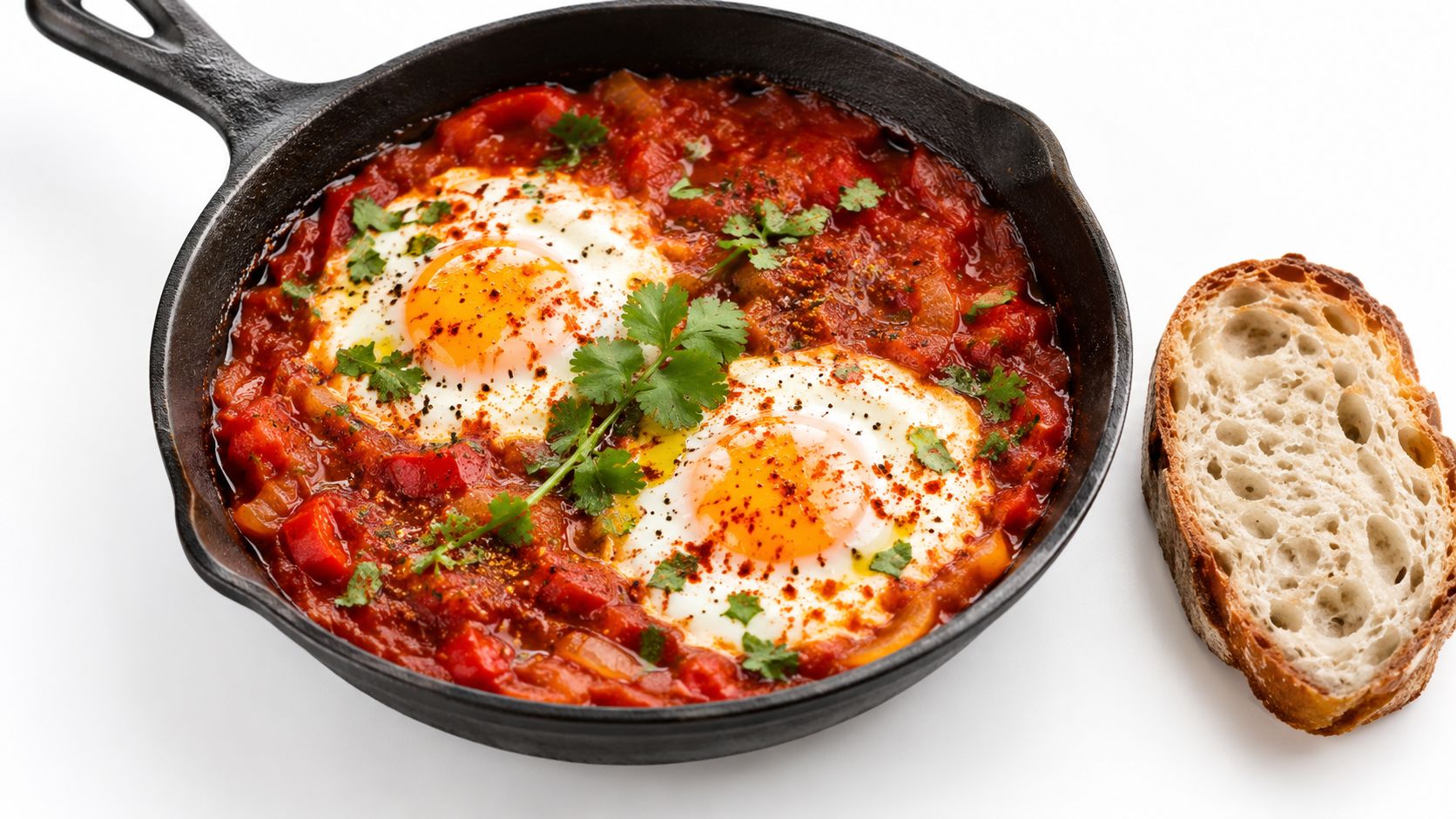
Canned whole tomatoes usually give the sauce a better texture than pre-diced tomatoes. Crush them by hand as you add them, or break them up with a wooden spoon in the skillet. Serve with crusty bread, pita, or rice to capture the sauce and stretch the portions.
The useful trade-off: Shakshuka is excellent fresh, but the eggs don't reheat as well as the tomato sauce. If you're cooking ahead, prepare the sauce in advance and poach eggs only for the portions you'll eat that night.
Shakshuka's North African roots and its presence in Israeli and Levantine cooking show how a few everyday ingredients can support dinner at any time of day. Add white beans if you want more substance, or fold in spinach at the end when the refrigerator offers more greens than you can use.
8. Sheet-Pan Chicken Thighs With Seasonal Vegetables
Cook time: about 30 to 45 minutes
Pantry base: chicken thighs, potatoes, carrots, onions, seasonal vegetables
Best use: hands-off cooking and planned leftovers
Sheet-pan chicken works best when you cut the vegetables according to how quickly they cook. Dense potatoes and carrots need smaller pieces, while zucchini, broccoli, or bell peppers can stay larger. Toss everything with oil, salt, pepper, paprika, and garlic powder, then arrange the chicken thighs over the top so their juices season the vegetables.
Pat the chicken dry before seasoning. That small step helps the skin brown and prevents the pan from filling with excess moisture. Use two pans if the ingredients are crowded. A packed pan steams the food, while a little space allows the vegetables to roast.
Check that the chicken reaches 165°F (74°C) for safety. The USDA Food Plans frame healthy home cooking across several spending levels and account for food quantities prepared at home, which supports this kind of planned, repeat-ingredient meal rather than a one-off shopping list.
Stretch the tray
Save extra chicken for wraps, salads, rice bowls, or soup. Chop leftover roasted vegetables into an omelet or add them to lentils. Buying whole chicken thighs and portioning them yourself can reduce preparation and packaging costs in some markets, but compare unit prices locally rather than assuming the larger package is cheaper.
For more combinations built around one-pan cooking, see these healthy sheet-pan dinner recipes. The method is especially useful when you need to cook while handling homework, laundry, or another task. Once the tray is in the oven, dinner needs less active attention.
9. Pasta e Fagioli
Cook time: about 30 to 40 minutes
Pantry base: beans, small pasta, canned tomatoes, onion, carrot, celery
Best use: a hearty soup that combines pantry carbohydrates and plant protein
Pasta e fagioli is a rustic Italian soup built from beans, small pasta, vegetables, garlic, tomato, and olive oil. Cannellini or borlotti beans work well, and a Parmesan rind can deepen the broth if you already have one. The dish doesn't need expensive meat to feel complete because the beans provide substance and the pasta thickens the soup.
Sauté onion, carrot, celery, and garlic first. Add tomatoes, beans, and broth, then simmer until the vegetables are tender. Small shapes such as ditalini or short tubes are easy to eat with a spoon, but cook them separately if you expect leftovers. Pasta left in the pot continues absorbing liquid and can become soft overnight.
Best leftover strategy: Keep the soup and pasta separate. Add a portion of cooked pasta to each bowl, then ladle the hot bean broth over it.
Mash some beans against the side of the pot if you want a thicker texture without cream. Finish with olive oil and black pepper. A little grated Parmesan is useful as a finishing ingredient, but the soup should still work without it.
The meal also demonstrates a practical nutrition principle. The Harvard Healthy Eating Plate emphasizes vegetables and fruits, whole grains, and healthy protein foods. A bowl of pasta e fagioli becomes more balanced when you add extra vegetables and treat the pasta as one component rather than the entire meal.
10. Greek-Style Gigantes Plaki
Cook time: about 60 to 90 minutes in the oven, after soaking and boiling
Pantry base: dried white beans, canned tomatoes, onion, garlic, herbs
Best use: the slowest option, with strong batch-cooking potential
Gigantes plaki rewards the cook who plans ahead. Large white beans bake slowly in a tomato, onion, garlic, and herb sauce until the beans are tender and the edges become rich and concentrated. If giant beans aren't available, use cannellini or butter beans. The dish will be smaller in scale, but the method remains the same.
Soak the dried beans overnight and drain them before cooking. Simmer them until nearly tender, then combine them with the tomato sauce in a baking dish. Bake at 350°F (175°C) and begin checking after 60 to 90 minutes. The exact finish depends on the bean variety and how thoroughly it was cooked before baking.
This isn't the right dinner for a night when everyone is already hungry. It is the right dinner for a weekend prep session, especially because the leftovers improve after the flavors settle. Serve the beans with crusty bread, a simple salad, and feta if it fits your budget.
For a dependable method that starts with dried beans, use this guide to cook beans from scratch. A pressure cooker can reduce the soaking and cooking burden, but it still pays to cook a large batch. Freeze extra beans in useful portions for tacos, curry, soup, or fried rice.
Comparison of 10 Budget-Friendly Healthy Dinners
| Dish | Implementation complexity | Resource requirements | Expected outcomes | Ideal use cases | Key advantages |
|---|---|---|---|---|---|
| Vegetable and Egg Fried Rice | Low, basic stir-fry skills, high heat control | Wok/skillet, day-old rice, eggs, frozen veg, soy sauce | Quick savory rice dish; best with dried leftover rice | Weeknight leftovers, waste reduction, quick family meal | Very fast, very low cost, customizable |
| Red Lentil Dal with Rice | Low–Medium, simmering plus tempering (tadka) | Pot, red lentils, spices (cumin, mustard), rice | Warming, protein-complete meal; freezes well | Budget dinners, vegetarian protein, meal prep | Nutritious, quick cook, shelf-stable ingredients |
| Oyakodon (Chicken and Egg Rice Bowl) | Medium, delicate egg technique and simmering | Small pan, chicken thighs, eggs, dashi/soy/mirin, rice | Custardy egg over tender chicken; single-bowl comfort meal | Quick weeknight dinner, simple family meal | Balanced meal, few ingredients, flavorful |
| Black Bean Tacos with Cabbage Slaw | Low, simple warming and assembly | Skillet, corn tortillas, canned/dried beans, cabbage, lime | Fresh, customizable tacos; high fiber and plant protein | Meatless nights, kid-friendly dinners, budget tacos | Extremely low cost, flexible toppings, portable |
| Lentil and Vegetable Soup | Low, one-pot simmer, forgiving technique | Large pot, dried lentils, assorted veg, canned tomatoes, seasonings | Filling, stretchable soup; improves overnight, freezes well | Batch cooking, cold-weather meals, leftovers | Very inexpensive, minimal hands-on time, nutritious |
| Chickpea and Spinach Curry | Medium, spice blooming and sauce building | Skillet/pot, canned/dried chickpeas, spinach, spices, tomatoes | Flavorful, iron-rich vegan curry; pairs with rice or bread | Vegan dinners, pantry-based meals, batch cooking | Nutritious, adaptable spice level, freezes well |
| Shakshuka (Eggs Poached in Spiced Tomato Sauce) | Low–Medium, sauce simmering and gentle egg poaching | Skillet, canned tomatoes, eggs, peppers/onions, spices | Visually appealing one-skillet meal; robust tomato flavor | Breakfast-for-dinner, quick skillet meals, sharing plates | Quick, pantry-friendly, impressive presentation |
| Sheet-Pan Chicken Thighs with Seasonal Vegetables | Low, simple roasting, timing for veg doneness | Oven, baking sheet, chicken thighs, seasonal vegetables | Hands-off roasted meal; juicy meat and roasted veg | Family dinners, meal prep, minimal cleanup | Scalable, forgiving cut, low cleanup |
| Pasta e Fagioli (Pasta and Bean Soup) | Low, basic soup methods; manage pasta timing | Pot, beans (canned/dried), small pasta, veg, olive oil | Hearty, balanced soup; may thicken over time | Affordable batch meals, Mediterranean-style dinners | Filling, easy to scale, pantry staples |
| Gigantes Plaki (Baked Giant Beans) | Medium, requires soaking and long bake time | Oven, dried giant beans (or substitute), tomato, aromatics | Rich slow-baked bean dish; deep flavor and good leftovers | Meal prep, vegetarian main dishes, communal meals | Extremely affordable per serving, makes large batches |
Cook One Batch Sunday and Rotate Five Dinners All Week
A budget-friendly week works better when you prepare components, not just finished recipes. On Sunday, choose one slow base such as lentil soup, chickpea curry, or pasta e fagioli. Cook a large pot, portion it into containers, refrigerate what you'll eat soon, and freeze half for later in the month.
Then use the fast dinners to keep weeknights flexible. Fried rice needs cooked rice. Dal needs rinsed lentils and perhaps leftover rice. Oyakodon needs cooked rice and sliced onion. Tacos become nearly immediate when beans and cabbage are already prepared. One batch of beans can move from tacos to soup, while one pot of rice can support fried rice, dal, and a bowl dinner.
The USDA's food-plan framework uses quantities of food prepared at home rather than treating the grocery bill as the only measure of affordability. In one USDA table, a household made up of two adults and two children had a listed weekly cost of $236.30, or $1,023.70 per month, across all meals and snacks. That works out to about $34.12 per household per day, or approximately $8.53 per person per day, not for dinner alone. The useful lesson is planning portions and repeat ingredients, not chasing one universal dinner price.
A separate USDA analysis found that replacing a fast-food meal or delivered pizza with home-prepared components reduced daily food costs by $0.92 and raised the Healthy Eating Index score by 3.2 points. The same analysis found that 80% of evaluated food baskets cost between $3.04 and $11.25 per day, showing why food choice and preparation format matter. These figures aren't a promise that every household will spend the same amount. Local prices, household size, food access, and waste all change the result.
Keep your system simple:
- Cook one slow base: Choose a soup, curry, or bean dish that freezes well.
- Prepare one grain: Rice supports fried rice, dal, bowls, and leftovers.
- Wash and cut one vegetable: Cabbage, carrots, onions, or greens can serve several meals.
- Plan the leftovers: Decide which dinner becomes lunch before you start cooking.
- Freeze before boredom arrives: Portion extra food while it still looks appealing.
If you want more dependable recipes for the week, browse the Quick Dinners and Healthy Eating filters in the Just Cook It catalog. The collections focus on downloadable cookbook e-books for everyday home cooking, with recipes designed for reading on phones, tablets, laptops, and e-readers.
Just Cook It offers downloadable cookbook e-books, practical recipe collections, and blog resources for everyday home cooking across global cuisines. Use its Quick Dinners and Healthy Eating filters to find recipes that fit your schedule, pantry, and budget, then visit Just Cook It to explore the catalog.