Spring markets are full of tender greens, peas, asparagus, herbs, and radishes, but a crowded produce drawer doesn't automatically become dinner. You still need meals that fit a busy morning, travel well for lunch, and leave enough structure for leftovers instead of turning delicate vegetables into waste. The most useful healthy spring meals make seasonal produce the starting point while adding enough protein, grains, or satisfying fats to keep the plate practical.
The eight ideas below cover breakfast, lunch, dinner, and make-ahead cooking. Each includes a short method, realistic preparation guidance, a seasonal reason to make it, storage advice, and swaps for vegetarian, vegan, gluten-free, and dairy-free needs where they work well. The cooking methods also follow the principles in this guide to best healthy cooking techniques, with an emphasis on steaming, grilling, sautéing, baking, and using just enough fat to build flavor.
Table of Contents
- 1. Spring Green Smoothie Bowl with Seasonal Toppings
- 2. Spring Vegetable Frittata with Fresh Herbs
- 3. Spring Salad with Grains and Fresh Vegetables
- 4. Spring Vegetable Soup with Fresh Herbs
- 5. Lemon Herb Grilled Chicken with Spring Greens
- 6. Spring Pasta Primavera with Light Cream Sauce
- 7. Creamy Spring Risotto with Peas and Asparagus
- 8. Spring Vegetable Quiche with Whole Grain Crust
- 8 Healthy Spring Meals Comparison
- Turn Eight Ideas Into One Easy Spring Week
1. Spring Green Smoothie Bowl with Seasonal Toppings
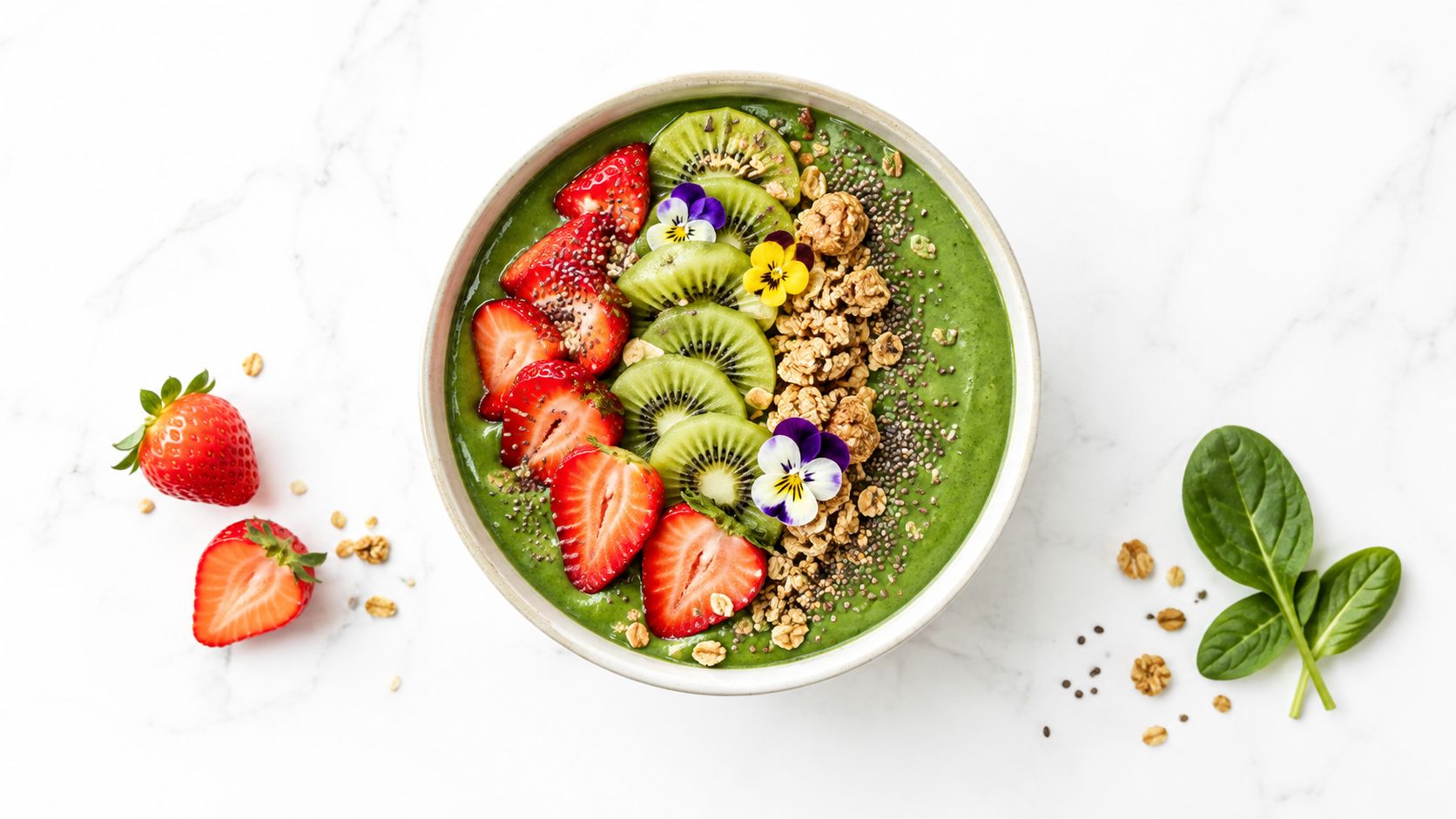
A smoothie bowl works when you want breakfast to feel fresh but still substantial. Blend spinach or another mild spring green with frozen banana, strawberries or mango, Greek yogurt, and enough milk to keep the mixture thick. A useful starting ratio is one cup of greens, one cup of fruit, three-quarters of a cup of yogurt, and one-quarter cup of liquid. Add more liquid only when the blender needs help.
Frozen fruit does more than chill the bowl. It creates a spoonable texture without diluting the flavor, while fresh greens blend more easily than frozen leaves. Blend the greens and liquid first if your machine struggles with fibrous ingredients, then add the fruit and yogurt. The base should hold a soft peak when spooned into a bowl.
Build the texture, not just the color
Top the bowl immediately before eating with granola, pumpkin seeds, chia seeds, sliced strawberries, toasted nuts, or coconut flakes. The toppings supply contrast, but they lose their appeal if they sit in the wet base for too long. Nut butter adds richness, while protein powder or cottage cheese can make the breakfast more filling without changing the seasonal theme.
For a grab-and-blend routine, portion fruit and greens into freezer bags. Keep yogurt and toppings in the refrigerator, then blend in the morning. Refrigerated leftovers tend to thin and lose their bright texture, so make only what you expect to eat.
Practical rule: Keep the smoothie base cold and thick, then add crunch at the table.
Use unsweetened plant yogurt and soy milk for a dairy-free bowl. Choose certified gluten-free granola when needed, and replace nut toppings with sunflower or pumpkin seeds for a nut-free version. Readers looking for more protein-centered ideas can also find Protein Powerhouse | Digital PDF, which includes breakfasts, soups, salads, mains, snacks, and desserts built around animal and plant protein sources.
2. Spring Vegetable Frittata with Fresh Herbs
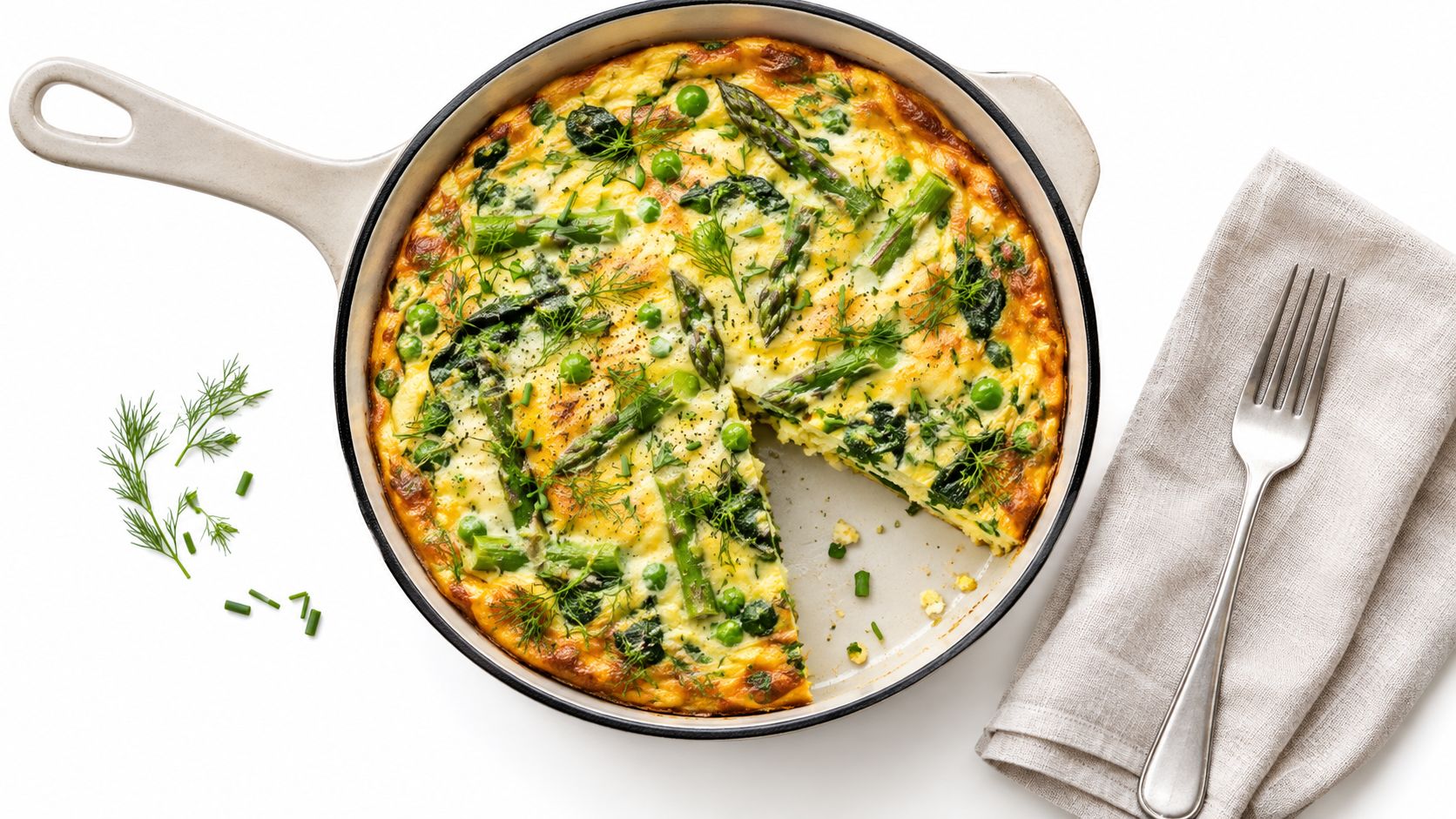
A frittata is one of the most reliable ways to turn a handful of spring vegetables into several meals. Sauté sliced asparagus, peas, spinach, spring onions, or mushrooms in an oven-safe skillet until the vegetables are nearly tender. Beat the eggs separately, season them well, and pour them over the vegetables. Finish with feta, Gruyère, goat cheese, or a little grated Parmesan.
Use room-temperature eggs when possible, because they blend more evenly and begin cooking without chilling the pan. The vegetables should be partially cooked before the eggs go in. Raw asparagus or onions can release water into the custard, leaving a wet center and undercooked filling.
Transfer the skillet to the oven and cook until the edges are set and the center still has a slight wobble. A gentle shake is more useful than waiting for a completely firm surface, since residual heat will continue cooking the eggs after the pan comes out. Scatter dill, chives, parsley, or mint over the top just before serving.
Make one pan do several jobs
Serve a warm wedge for dinner with a lemony salad, or cool the frittata and cut it into squares for breakfast and lunch. Store covered in the refrigerator and reheat gently, since high heat can make eggs rubbery. It also works at room temperature for a packed meal, provided it has been kept properly chilled.
The best frittata has a tender center, not a dry one. Take it out when the middle still moves slightly.
For a vegetarian version, use cheese and extra vegetables. For a dairy-free frittata, omit the cheese and add sautéed mushrooms or white beans for more body. Replace eggs with a seasoned chickpea-flour batter for a vegan alternative, though the texture will be more substantial and less custardy. Serve with whole-grain toast if the vegetables and eggs alone don't feel sufficient.
3. Spring Salad with Grains and Fresh Vegetables
Grain salad solves the main weakness of many vegetable salads: it gives tender produce a sturdy base that holds up in a lunch container. Cook farro, quinoa, or barley until just tender, then dress it while warm with olive oil, lemon juice, grated zest, salt, and pepper. Warm grains absorb the vinaigrette more effectively than cold grains, so the finished salad tastes seasoned throughout rather than coated only on the surface.
Fold in peas, asparagus, radishes, snap peas, artichoke hearts, shaved carrots, or spring onions. Keep the vegetables varied. Crisp radishes and snap peas provide bite, while blanched asparagus and peas contribute a softer texture. Fresh parsley, mint, dill, or basil should go in close to serving so their aroma stays vivid.
Prepare the components separately
Cook a batch of grains during weekend preparation and cool them quickly in a shallow container. Store the grains, chopped vegetables, herbs, and dressing separately when you want the best texture across several lunches. Hardy vegetables can be mixed in advance, but delicate greens should wait until serving.
A grain salad can become a complete meal with chickpeas, lentils, boiled eggs, grilled chicken, tuna, tofu, or crumbled feta. For a vegan bowl, use legumes or marinated tofu. Use quinoa instead of farro or barley for a gluten-free version, and choose a seed-based topping if nuts aren't suitable.
If avocado is part of your variation, this practical guide to using avocados in everyday recipes can help you handle the fruit without turning the salad soft too early. Add avocado shortly before eating, not during batch assembly.
Texture test: Cook grains until they still have a little resistance. Overcooked grains make a dressed salad heavy and pasty.
4. Spring Vegetable Soup with Fresh Herbs
Spring soup doesn't need a thick cream base to feel comforting. Start by sautéing onions, leeks, and garlic in olive oil, then add stock and firm vegetables such as potatoes, carrots, or celery. Simmer until those ingredients are nearly tender before adding asparagus, peas, spinach, or snap peas. The delicate vegetables need only a short finish, otherwise they lose their color and become soft.
A broth-based soup is especially useful when the weather changes from cool mornings to warm afternoons. Add dill, parsley, chives, tarragon, or lemon zest after the heat is lowered. Taste again at the end, because salt levels change as the liquid simmers and vegetables release water.
Make the pot flexible
For a minestrone-style version, add small pasta or beans. Blend part of the pot for a thicker texture while leaving the rest chunky, or use a small amount of cream for a softer finish. The soup can also absorb leftover grains, shredded chicken, white beans, or cooked lentils.
Cool soup completely before transferring it to freezer containers. Leave space for expansion, label the container with the contents, and thaw it in the refrigerator when possible. Reheat gently and add fresh herbs after reheating rather than freezing them in the broth.
Use vegetable stock and beans for a plant-based meal. Choose gluten-free pasta or rice if needed, and replace cream with unsweetened oat or cashew cream. The main trade-off is texture: leafy greens freeze acceptably, while tender asparagus and peas are best when added to a portion during reheating rather than cooked far beyond tenderness.
5. Lemon Herb Grilled Chicken with Spring Greens
Chicken and spring greens make a fast dinner when the protein gets a proper seasoning window. Pound boneless chicken breasts or thighs to an even thickness, then marinate them with lemon juice, olive oil, garlic, oregano, parsley, and black pepper. Even a short rest improves flavor, while a longer refrigerator marinade gives the herbs more time to work.
Grill the chicken or pan-sear it in a hot skillet until browned and cooked through. Check the thickest part with a thermometer and look for an internal temperature of 165°F (74°C). Let the chicken rest for five minutes before slicing, so the juices don't run across the cutting board.
Build the plate with arugula, spinach, lettuce, peas, radishes, cucumbers, or lightly blanched asparagus. Dress the greens separately with lemon and olive oil rather than a heavy sauce. The sharp dressing cuts through the chicken and keeps the meal bright.
Keep leftovers useful
Slice extra chicken after it has cooled and store it apart from dressed greens. Use it the next day in a grain bowl, pita, soup, or salad. The greens should stay dry until serving, because moisture and acidic dressing quickly soften them.
For a vegetarian meal, replace the chicken with grilled halloumi, marinated tofu, tempeh, or chickpeas. Use a plant-based yogurt marinade if dairy is included in the original version, and serve with quinoa or potatoes when you need a more substantial plate. A dairy-free version is straightforward because the core marinade relies on citrus, herbs, oil, and garlic.
Spring cooking often gets described as “light,” but light shouldn't mean a plate that leaves you hungry. Pairing vegetables with a clear protein anchor is a more practical approach, especially as 2026 food-trend guidance from Penn State Extension emphasizes protein and fiber, with some recommendations placing protein targets around 1.2 to 1.6 grams per kilogram of body weight and encouraging protein at every meal (Penn State Extension guidance).
6. Spring Pasta Primavera with Light Cream Sauce
Pasta primavera succeeds through timing, not a heavy sauce. Cook asparagus, peas, artichokes, snap peas, spring onions, or tender greens separately until they are just cooked. Boil the pasta in well-salted water and reserve one cup of cooking water before draining.
Return the hot pasta to the pan with butter, Parmesan, lemon zest, and a splash of the reserved water. Toss vigorously so the starch, fat, and cheese form a glossy emulsion. Add more pasta water a little at a time until the sauce coats the noodles. This method gives you a creamy impression without relying on a large amount of cream.
Protect the spring vegetables
Add peas, herbs, and delicate greens at the end. They need enough heat to warm through, but extended cooking dulls their color and removes the crisp-tender contrast that makes the dish feel seasonal. Finish with mint, basil, tarragon, parsley, or chives, then add lemon juice to balance the Parmesan.
A brief visual guide to roasted cherry tomatoes can help if you want a sweeter, more concentrated topping for the pasta. Add roasted tomatoes after the sauce has emulsified so their juices don't overwhelm the pan.
Serve the pasta immediately, because the sauce thickens as it cools. Refrigerated leftovers are still useful, but loosen them with a splash of water or stock while reheating. For a vegan version, use olive oil or plant butter and nutritional yeast, then add white beans or tofu for more substance. Choose gluten-free pasta when needed, and use a dairy-free hard cheese alternative if Parmesan isn't suitable.
7. Creamy Spring Risotto with Peas and Asparagus
Risotto rewards attention, but it doesn't require constant stirring. Warm vegetable stock in a separate saucepan and keep it at a gentle simmer. In a wide pan, soften onion or shallot in olive oil, toast Arborio rice until the grains look slightly translucent at the edges, and add stock one ladle at a time.
Stir frequently enough to release starch without scraping the pan relentlessly. Add the next ladle when the previous addition has mostly absorbed. Start tasting at around 18 minutes. Properly cooked rice should be creamy on the outside with a tender center that still has a little resistance.
Add asparagus and peas during the final few minutes so they keep their shape and fresh flavor. Take the pan off the heat and finish with cold butter, Parmesan, lemon zest, and fresh herbs. The resting period lets the risotto settle into a soft, flowing texture.
A warm bowl of risotto benefits from a crisp contrast, so serve it with dressed arugula, shaved fennel, or radishes. Watch the video demonstration below for the visual rhythm of the cooking process.
Fresh peas need careful handling because they can turn floury when overcooked. This guide to cooking fresh peas is useful when you want to preserve their sweetness before folding them into the finished rice.
Risotto is best served immediately, but leftovers can become lunch cakes. Chill the rice, form it into patties, and pan-sear them until crisp. Use vegetable stock and nutritional yeast for a vegan version, or fold in white beans for added plant protein. The trade-off is that substitutions may reduce the classic richness, so finish with olive oil and lemon to restore silkiness.
8. Spring Vegetable Quiche with Whole Grain Crust
Quiche is a useful bridge between breakfast, lunch, and dinner because it can be served warm, chilled, or at room temperature. Blind bake a whole-grain crust for 10 to 15 minutes, then fill it with partially cooked asparagus, peas, spinach, leeks, or artichokes. Pre-cooking matters because vegetables release moisture as they bake, and excess water can prevent the custard from setting cleanly.
For the filling, use a mixture of one part cream to two parts eggs, seasoned generously with salt and pepper before it goes into the crust. Add goat cheese, Gruyère, feta, or Parmesan, then scatter fresh thyme, dill, chives, or parsley over the top. Bake until the edges are firm and the center still jiggles slightly when the pan moves.
Give the custard time to finish
Let the quiche rest for 10 minutes before slicing. Cutting too soon releases steam and makes the filling look wet, while a short rest produces cleaner wedges. Store leftovers covered in the refrigerator and reheat at a moderate temperature, or serve them cold with a crunchy green salad.
A whole-grain crust adds nutty flavor and more texture, but it can brown before the filling is done. Shield the rim with foil if needed. For a crustless version, grease the dish thoroughly and add a little extra vegetable structure. Use plant milk and a dairy-free cheese alternative for a dairy-free variation, or replace eggs with a chickpea-flour filling for a vegan interpretation. Gluten-free pastry works well when blind baked carefully.
8 Healthy Spring Meals Comparison
| Item | Implementation complexity | Resource requirements | Expected outcomes | Ideal use cases | Key advantages |
|---|---|---|---|---|---|
| Spring Green Smoothie Bowl with Seasonal Toppings | Very low, simple blending, 5–10 min | High‑power blender recommended, frozen fruit, yogurt, toppings | Nutrient-dense, protein-rich breakfast; visually appealing | Quick breakfasts, grab‑and‑go, social/entertaining | Fast, customizable, no cooking |
| Spring Vegetable Frittata with Fresh Herbs | Low–Medium, stovetop + oven finish, ~25 min | Oven‑safe skillet, eggs, seasonal vegetables, cheese | Protein-rich one‑pan dish; serves multiple | Weeknight dinners, brunch, meal prep | High protein, minimal cleanup, versatile |
| Spring Salad with Grains and Fresh Vegetables | Medium, cook grains then assemble, 20–40 min | Pot for grains, grains (farro/quinoa/barley), fresh veg, vinaigrette | Sustained-energy, textural contrast; improves with time | Lunches, meal prep, portable meals | Make‑ahead friendly, portable, flexible |
| Spring Vegetable Soup with Fresh Herbs | Low, one‑pot, forgiving, 30–40 min | Large pot, quality stock, assorted spring vegetables, aromatics | Light, nourishing broth; freezes well | Meal prep, light dinners, batch cooking | Freezes well, flexible ingredient swaps |
| Lemon Herb Grilled Chicken with Spring Greens | Low–Medium, marinate + grill/pan, ~20 min active | Grill or skillet, chicken breasts, lemon, herbs, thermometer helpful | Lean, high‑protein main with bright flavors | Weeknight dinners, outdoor grilling, meal prep | High‑protein, low‑fat, simple technique |
| Spring Pasta Primavera with Light Cream Sauce | Medium, timing critical, 25–30 min | Pot, sauté pan, pasta, seasonal veg, cheese, reserved pasta water | Vegetable‑forward pasta, light sauce, restaurant‑style finish | Weeknight dinners, entertaining, seasonal showcase | Quick, vegetable-centric, elegant results |
| Creamy Spring Risotto with Peas and Asparagus | High, attentive stirring, 18–20 min active | Arborio/Carnaroli rice, warm stock, saucepan, butter, Parmesan | Silky, creamy risotto best served immediately | Special dinners, skill-building, dinner parties | Teaches technique, satisfying vegetarian main |
| Spring Vegetable Quiche with Whole Grain Crust | Medium–High, crust + baking, 45–60 min | Pie dish, whole‑grain crust (or make), eggs, vegetables, oven | Complete savory pie, slices cleanly, good reheating | Brunch, potlucks, make‑ahead meals | One‑dish complete meal, impressive presentation |
Turn Eight Ideas Into One Easy Spring Week
A good weekly menu doesn't require cooking every recipe from scratch on the day you eat it. Start with the smoothie bowl on the first morning, using freezer portions of fruit and greens. Make the frittata and quiche early in the week, then serve slices for breakfast, lunch, or a low-effort dinner. Their textures hold up better than dressed salad, and both can be paired with fresh greens when you want a lighter plate.
Use the grain salad and spring vegetable soup for lunches. Cook the grains once, keep the dressing separate, and change the protein or vegetables in each portion so the meals don't feel identical. Soup can be made in a larger batch and frozen in individual containers, while the salad is better kept refrigerated for short-term use with herbs and delicate greens added at the last moment.
Reserve the chicken, pasta primavera, and risotto for dinners. Grill extra chicken for the next day's salad, cook pasta only when you're ready to eat it, and treat risotto as the meal that deserves your freshest attention. A simple weekly rhythm might look like this:
- Monday breakfast: Green smoothie bowl with strawberries, yogurt, seeds, and granola.
- Monday dinner: Lemon herb chicken with spring greens and cooked grains.
- Tuesday lunch: Farro salad with peas, asparagus, feta, and lemon dressing.
- Tuesday dinner: Pasta primavera with mint and Parmesan.
- Wednesday breakfast or lunch: Vegetable frittata with herbs and a side salad.
- Wednesday dinner: Spring vegetable soup with beans or pasta.
- Thursday lunch: Leftover chicken grain bowl with separate dressing.
- Thursday dinner: Creamy risotto with peas, asparagus, and lemon.
- Friday lunch or dinner: Whole-grain quiche with dressed greens and radishes.
Consolidated shopping list
Spring vegetables: Asparagus, peas, spinach, arugula, mixed lettuce, spring onions, leeks, radishes, snap peas, artichokes, carrots, potatoes, celery, and garlic.
Proteins: Eggs, Greek yogurt, chicken, chickpeas, white beans, lentils, tofu, or tempeh. Choose the combination that matches your dietary needs and how many dinners you want to make.
Grains and pasta: Farro, quinoa or barley, Arborio rice, whole-grain pasta, and whole-grain pastry or flour for the quiche crust.
Dairy: Feta, Parmesan, Gruyère, goat cheese, butter, and cream or a suitable alternative.
Herbs: Dill, parsley, mint, basil, chives, tarragon, and thyme. Buy the herbs you will use across multiple dishes, rather than treating every recipe as a separate shopping trip.
Fruit: Bananas, strawberries, lemons, and any seasonal berries or mango needed for the smoothie bowl.
Pantry staples: Olive oil, vinegar, vegetable or chicken stock, granola, chia seeds, pumpkin seeds, nuts, salt, pepper, and whole-grain mustard.
Wash and thoroughly dry greens as soon as you unpack them. Batch-cook the grains, portion smoothie ingredients into freezer bags, and make one lemon-herb dressing for the salad and chicken. Keep dressings, toasted toppings, herbs, and avocado separate until serving, because those small storage decisions protect crunch and freshness.
For more packable midday ideas, The Healthy Lunch Box includes soups, salads, bowls, wraps, and snacks designed for preparation ahead and eating away from a full kitchen. It isn't required for this menu, but it can complement the grain salad and soup approach when weekday lunches need more variety.
The broader case for building meals this way is practical. Global vegetable intake averaged 212.6 grams per day in 2021, compared with an optimal range of 306 to 372 grams, according to a major global nutrition benchmark summarized by seasonal eating and spring produce guidance. Fruit intake averaged 121.8 grams per day against an optimal range of 340 to 350 grams, so adding fruit at breakfast and vegetables across lunch and dinner is a useful direction rather than a decorative seasonal habit.
Vegetables are already a familiar entry point for many households. More than nine in ten U.S. adults consumed vegetables on a given day during August 2021 through August 2023, while the share ranged from 88.5% among adults below 130% of the federal poverty level to 95.9% among adults at 350% of the federal poverty level or higher, as reported by the CDC. The more actionable issue is composition. In 2019, only 10.0% of surveyed U.S. adults met vegetable intake recommendations even though 95.1% ate some vegetables on a given day, according to CDC data. That gap is why these meals use generous vegetable portions, multiple produce types, and clear anchors such as eggs, yogurt, beans, chicken, tofu, grains, or cheese.
Spring traditions offer a useful model because Mediterranean cooking historically shifted from preserved winter foods toward wild asparagus, artichokes, broad beans, peas, sorrel, nettles, and other greens as fresh produce returned. Seasonal ingredients eaten close to harvest are also commonly described as more affordable, better tasting, and less energy-intensive than produce shipped long distances in this overview of the Mediterranean food calendar. You don't need a strict seasonal diet to benefit. Choose what looks fresh, cook it with care, and build enough substance into the meal that you will want to make it again.
Just Cook It offers downloadable cookbook e-books with step-by-step, kitchen-tested recipes across global cuisines, including collections for quick dinners, healthy eating, and meal preparation. Visit Just Cook It to find practical digital recipes that can help turn this spring meal plan into a repeatable cooking routine.