A few leftover vegetables are enough to make a high-fiber dinner without another trip to the store. These eight high fiber vegetable recipes are ranked by how practical they are on a weeknight. Each takes about an hour or less and includes estimated fiber per serving, a shortcut to save time, and an ingredient swap that keeps the fiber content high.
Fiber deserves attention because the Dietary Guidelines for Americans report that almost 90% of the U.S. population doesn't meet recommended vegetable intakes. The same guidance reports that more than 90% of women and 97% of men don't meet recommended dietary-fiber intakes. A useful benchmark is 14 grams of fiber per 1,000 calories, or approximately 28 grams on a 2,000-calorie diet. These recipes make that target more practical, one ordinary dinner at a time. You can also browse the fiber-rich recipes for more ideas.
Table of Contents
- 1. Black Bean and Vegetable Soup with Kale
- 2. Chickpea and Spinach Curry with Cauliflower
- 3. Mediterranean Roasted Vegetable Medley with Chickpeas
- 4. Whole Wheat Pasta Primavera with Roasted Brussels Sprouts
- 5. Beet and Lentil Salad with Feta and Walnuts
- 6. Lentil and Root Vegetable Stew
- 7. Quinoa and Vegetable Buddha Bowl with Tahini Dressing
- 8. Stuffed Bell Peppers with Brown Rice and Black Beans
- 8 High-Fiber Vegetable Recipes Compared
- Start With One Fast Recipe and Cook It Tonight
1. Black Bean and Vegetable Soup with Kale
This is the recipe to make when the weather is unpleasant and your energy is low. Dice one onion, one carrot, and two celery stalks. Cook them in olive oil for about 7 minutes, then add garlic, cumin, smoked paprika, canned tomatoes, vegetable stock, and black beans. Simmer for 20 minutes before stirring in chopped kale for the final 5 minutes.
Using a cup of black beans per serving, plus the vegetables and kale, gives this soup an estimated about 14 grams of fiber per serving. The exact figure depends on the bean quantity and vegetable portions, so treat it as a practical estimate rather than a laboratory analysis. The beans provide body and plant-based protein, while the kale keeps the soup from tasting like a plain pantry stew.
Practical rule: Add a splash of apple cider vinegar at the end. It brightens the beans and tomatoes without requiring extra salt.
Prepare the onion, carrot, and celery the night before and refrigerate them in a sealed container. On the cooking night, you can start with the pot instead of a cutting board. Canned beans keep this meal weeknight-friendly, but if you cook dried beans, follow a tested method such as this guide to cooking beans from scratch. Add cooked quinoa or brown rice if you want a thicker bowl, though the soup is satisfying without it.
For a different direction, use white beans and Swiss chard, or replace the kale with frozen spinach. Don't boil the greens for the entire cooking time. They lose their fresh flavor and turn dull. Make a double batch, cool it promptly, and freeze individual portions for lunches.
If Scandinavian flavors appeal to you, The Nordic Table: Scandinavian Recipes | Digital PDF includes soups, root vegetables, rye, barley, and other pantry-led recipes from Sweden, Denmark, Norway, and Finland.
2. Chickpea and Spinach Curry with Cauliflower
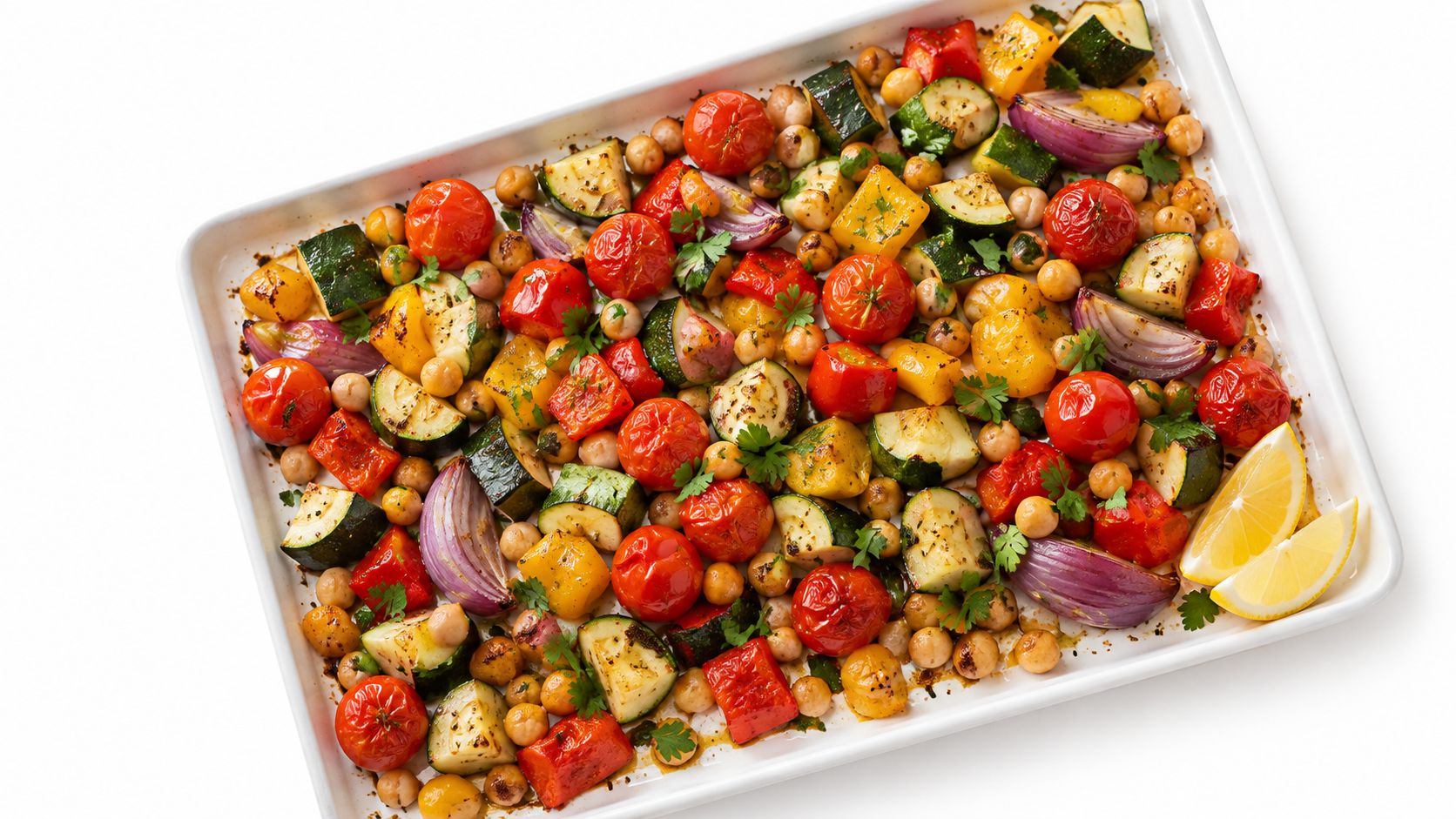
A curry earns its place on a weeknight list when the sauce does most of the work. Warm oil in a wide pot, then cook onion for 5 minutes. Add garlic, ginger, curry powder, turmeric, and cumin. Stir for a minute before adding cauliflower florets, chickpeas, crushed tomatoes, and coconut milk. Simmer uncovered for about 20 minutes, until the cauliflower is tender but still holds its shape. Fold in spinach during the final 2 minutes.
With a generous serving of chickpeas and cauliflower, this curry provides an estimated about 12 grams of fiber per serving. The figure will vary with the amount of chickpeas and the size of each portion. It's filling because the legumes and vegetables bring texture, while the sauce carries strong flavor into every bite.
Toast whole spices in the dry pot before adding oil if you have a spare minute. That step adds depth, but it isn't essential. For a lighter sauce, use plain yogurt or cashew cream instead of coconut milk. Yogurt changes the flavor and should be stirred in after the pot comes off the heat so it doesn't split.
The best shortcut is frozen cauliflower. It eliminates trimming and works well here, although it can make the sauce slightly looser.
Add diced potato with the cauliflower if you want a heavier meal. Use full-fat coconut milk for a rich, spoon-coating sauce, or choose a thinner version when you're serving the curry over another grain. Brown rice, quinoa, or whole-grain flatbread can all work, but don't let the starch crowd out the vegetables.
Cook the curry for about 30 to 35 minutes from start to finish. The trade-off is that you'll need a few spices, but the method is forgiving. If the curry tastes flat, add lime juice or a small splash of vinegar before adding more salt.
The cooking method affects more than texture. Research on cruciferous vegetables found that steaming and water cooking changed the balance between insoluble and soluble fiber, so recipes should specify the method and cooking time instead of saying only “cook until tender” (read the vegetable cooking research).
3. Mediterranean Roasted Vegetable Medley with Chickpeas
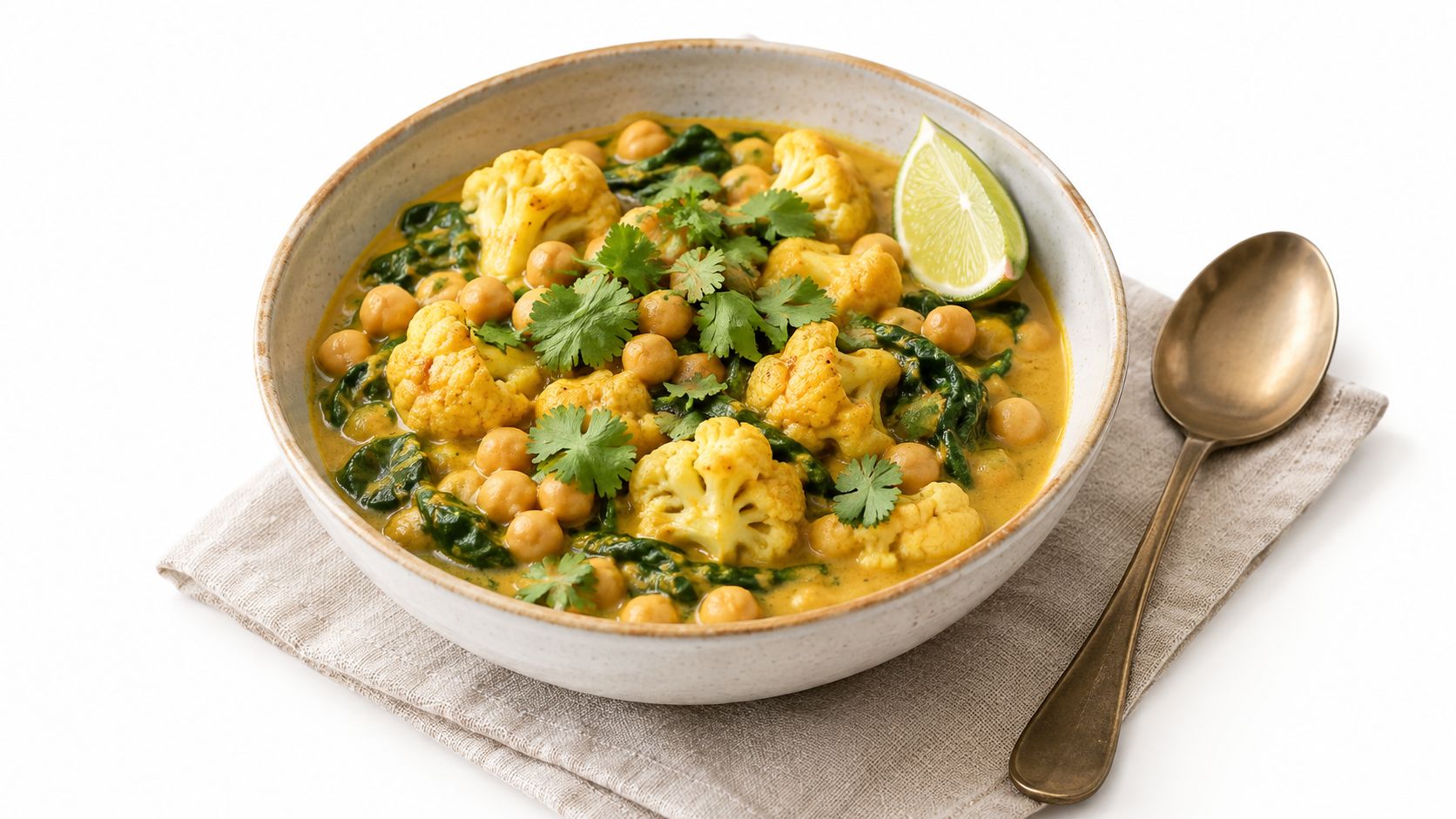
This sheet-pan dinner is the least demanding option after the vegetables are cut. Heat the oven to 425°F. Chop zucchini, red onion, bell pepper, and tomatoes into similar-sized pieces. Toss them with chickpeas, olive oil, oregano, garlic, salt, and pepper, then roast for about 30 minutes. Turn everything once halfway through so the chickpeas brown and the vegetables cook evenly.
A serving built around chickpeas and several cups of roasted vegetables delivers an estimated about 11 grams of fiber. Use the chickpeas as a central ingredient, not a scattering. A few legumes on top make a dish look wholesome, but they won't contribute as much as a full portion mixed through the tray.
Cut the vegetables the night before and store them covered in the refrigerator. You can then season and roast everything while you change clothes or answer messages. Keep the pieces similar in size. Small zucchini chunks can collapse before dense vegetables have softened.
For more practical ideas on this flavor profile, see these Mediterranean diet recipes. Finish the tray with lemon juice and fresh basil, parsley, or mint after roasting. Add delicate herbs at the end, because prolonged oven heat dulls their flavor.
Don't overcrowd the pan. If the vegetables steam in their own moisture, you'll get a soft medley instead of browned edges.
Serve the vegetables over quinoa, barley, or another whole grain if you want a larger meal. Whole-grain bread works when you need something faster. For tomato substitutions, use canned drained tomatoes if fresh ones are out of season, or choose a firm eggplant and give it enough space to brown. You can also explore heirloom tomato varieties when fresh tomatoes are at their best.
The drawback is oven time. This isn't the right choice when dinner must be on the table immediately. It is excellent for batch cooking, though. Roast a large tray, cool it, and use leftovers in wraps, grain bowls, or lunch salads.
4. Whole Wheat Pasta Primavera with Roasted Brussels Sprouts
Pasta makes vegetables easier to serve to people who don't want a “healthy bowl.” Use whole wheat pasta, not refined pasta, and roast halved Brussels sprouts with broccoli, sliced bell pepper, and onion while the water heats. The vegetables need about 25 minutes at 425°F. Cook the pasta according to its package directions, reserving a cup of cooking water before draining.
A serving with whole wheat pasta, a cup of Brussels sprouts, and additional vegetables provides an estimated about 10 grams of fiber. The calculation is ingredient-dependent, but the principle is clear. The Mayo Clinic's fiber guide lists about 4.5 grams of fiber in one cup of boiled Brussels sprouts, while one medium baked potato with skin provides about 4.0 grams. Whole grains and vegetables work better together than a small vegetable garnish on a plate of refined pasta.
Toss the drained pasta with the roasted vegetables, lemon zest, grated cheese, herbs, and enough reserved water to make a loose sauce. Add the water gradually. Too much turns the dish watery, while none leaves whole wheat pasta dry.
Keep the texture balanced
Roast the sprouts cut-side down for better browning. Add broccoli later if its florets are small, or cut everything to a similar size so one vegetable doesn't burn while another stays firm. Toasted breadcrumbs or pumpkin seeds add contrast, but they're optional.
A splash of white wine in the pan sauce can add complexity, though vegetable stock and lemon are simpler. Use roasted cauliflower instead of Brussels sprouts if needed, but keep the whole wheat pasta. That swap preserves the recipe's main fiber strategy.
The trade-off is that whole wheat noodles have a firmer, nuttier bite. If your household prefers regular pasta, mix the two gradually rather than abandoning the vegetables. The pasta is ready in roughly 35 to 45 minutes, depending on the roast and cooking time.
5. Beet and Lentil Salad with Feta and Walnuts
This salad works when you want a vegetable-forward dinner without standing over a stove. Roast whole beets wrapped in foil at 400°F until a knife slides through the center, usually about 35 to 45 minutes depending on their size. Cool, peel, and cut them into wedges. Toss with cooked lentils, feta, walnuts, dill, and a dressing made from olive oil, vinegar, mustard, and black pepper.
A serving containing a cup of cooked lentils and a medium beet provides an estimated about 15 grams of fiber. Lentils carry most of the number, while the beet adds sweetness and color. The walnuts and feta contribute richness, but they aren't the fiber foundation of the meal.
Use vacuum-packed or canned beets when time matters. Drain and rinse them well, then pat them dry so the dressing doesn't become watery. Cook lentils ahead and refrigerate them for several days. Green lentils hold their shape better than softer varieties, which matters in a salad.
Dress the salad just before serving. Early dressing softens the lentils and can make the beets bleed into the feta.
Toast walnuts in a dry pan for 3 to 4 minutes, watching closely. They burn quickly. Substitute goat cheese for feta, or use sunflower seeds when nuts aren't suitable. Red wine vinegar gives the salad a sharper Mediterranean edge, while apple cider vinegar makes it fruitier.
The practical advantage is flexibility. Serve it warm with freshly cooked lentils, chilled as meal prep, or alongside a baked potato. If you use pre-cooked beets and lentils, assembly takes about 10 minutes. If you roast and cook everything the same evening, plan for close to an hour.
Don't overcomplicate the dressing. The beets already bring sweetness, and the lentils need acidity to stay lively. A little mustard, vinegar, and salt will do more than a heavy creamy dressing.
6. Lentil and Root Vegetable Stew
On a weeknight, start with the vegetables rather than waiting for the lentils. Sauté onion, carrot, and celery for about 8 minutes. Add diced potato or turnip, garlic, green or brown lentils, vegetable stock, bay leaf, and thyme. Simmer for 30 to 35 minutes, until the lentils are tender and the roots are soft.
A bowl made with a full serving of lentils and several root vegetables provides an estimated about 16 grams of fiber per serving. Green lentils keep a firmer bite. Brown lentils soften faster and thicken the broth, so choose them when you want a more cohesive stew.
Stir in spinach or chopped chard during the final 5 minutes. Season with salt near the end, then add vinegar or lemon juice to balance the roots' natural sweetness. The acid keeps the finished bowl from tasting flat.
Chop the roots ahead to shorten the cooking session. If you prepare potato in advance, hold the pieces under cold water, then drain and dry them before adding them to the pot. Keep an eye on the stew as it simmers. Lentils absorb stock quickly, so add more if the pot begins to look dry.
Choose the right version for your evening
Use a slow cooker on low for 6 to 8 hours for a hands-off dinner, following a tested guide to cooking lentils and checking the final texture. Slow cookers vary, so check the lentils at the 6-hour mark and add stock if the stew has tightened too much. A stovetop version gives you closer control and usually leaves the broth clearer.
Serve the stew with whole-grain bread or brown rice. If you add a grain, reduce the root vegetables slightly so the bowl does not become too dense. Keep the skin on clean, suitable potatoes when you enjoy its texture. Peeling is not always an improvement. Preparation can change how much fiber reaches the plate, and review the vegetable preparation guidance before routinely removing vegetable skins.
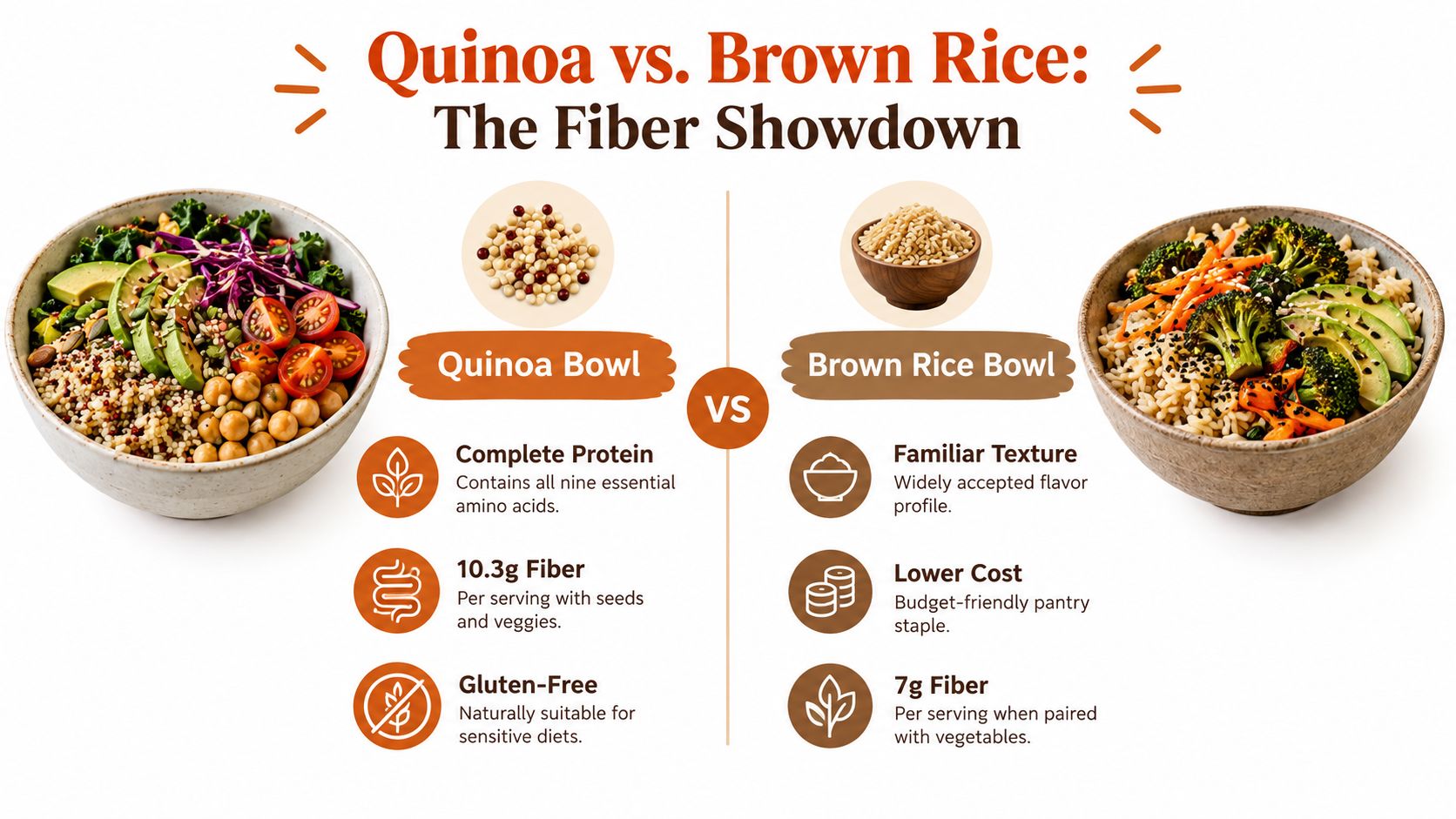
7. Quinoa and Vegetable Buddha Bowl with Tahini Dressing
A bowl is forgiving, but it still needs contrast. Cook quinoa while roasting broccoli, sweet potato, red onion, and cauliflower at 425°F for about 25 to 30 minutes. For the dressing, whisk tahini with lemon juice, garlic, water, and salt until smooth. Assemble warm grains, vegetables, greens, and the dressing in separate sections.
With quinoa, a substantial portion of roasted vegetables, and chickpeas added to the bowl, expect an estimated about 13 grams of fiber per serving. Without chickpeas, the estimate will be lower. That's the main trade-off, because the bowl can look abundant while still lacking a meaningful legume portion.
Cook the quinoa and vegetables ahead, then assemble fresh. Store the tahini dressing separately and loosen it with water before serving. If quinoa isn't available, use millet, farro, or brown rice. Choose an intact whole grain rather than replacing it with a refined starch.
Build the bowl around components, not decoration. Include a real serving of beans or chickpeas, a generous vegetable portion, and enough dressing to make the meal satisfying.
Add black beans instead of chickpeas for a stronger Southwestern flavor. Pumpkin seeds give crunch, and you can toast them in a dry pan for 3 to 4 minutes. Keep an eye on them, because their small size makes them easy to scorch.
The recipe takes about 40 minutes if you cook everything from scratch. Its real strength is advance preparation. Once the components are ready, dinner becomes assembly rather than cooking. That makes this a useful choice for households with different preferences, since each person can choose vegetables, greens, grains, and dressing separately.
Don't roast watery vegetables in a crowded pan. They'll steam and soften the grains around them. Use a second tray if necessary, or roast the denser vegetables first and add zucchini or tomatoes later.
8. Stuffed Bell Peppers with Brown Rice and Black Beans
Stuffed peppers take a little longer than they look, but most of the work happens in the oven. Cook brown rice separately, or use rice prepared earlier. Mix it with black beans, corn, diced onion, garlic, cumin, salsa, and chopped vegetables. Fill halved bell peppers, cover the dish, and bake at 375°F for about 30 minutes. Uncover for the final 10 minutes so the tops dry slightly and the peppers soften without collapsing.
A pepper filled with brown rice, black beans, and vegetables provides an estimated about 14 grams of fiber per serving. The beans do the heavy lifting, while the brown rice and pepper reinforce the meal's structure. Add salsa for moisture and flavor, but don't flood the filling or it will turn loose.
Stand the peppers upright when using whole peppers. If they tip, prop them with small foil balls or nestle them tightly in the baking dish. Halving the peppers is faster and makes serving easier, though whole peppers look better for guests.
Keep the filling useful
Substitute cooked quinoa or lentils for some of the rice. Keep the black beans if fiber is the priority. You can also add zucchini, mushrooms, or leftover roasted vegetables, but chop them finely so the filling stays cohesive.
Use peppers of different colors for a brighter dish. The flavor difference is modest, but the presentation makes the meal feel less repetitive. Top with fresh cilantro, scallions, or a little cheese after baking.
For a weeknight shortcut, cook the rice on a prep day and refrigerate it promptly. The guide to telling when rice is done can help you avoid a filling that's either crunchy or wet. Assemble the peppers while the oven heats, then bake.
The main drawback is the initial rice cooking. If you're starting from uncooked rice and making the filling from scratch, expect about an hour. With prepared rice, the active work drops sharply. These peppers also freeze well after cooling, so they're worth making in a larger batch.
8 High-Fiber Vegetable Recipes Compared
| Dish | Implementation complexity | Resource requirements | Expected outcomes | Ideal use cases | Key advantages |
|---|---|---|---|---|---|
| Black Bean and Vegetable Soup with Kale | Low, one-pot, ~30 min | Basic pantry staples, canned beans, kale, single pot | Hearty, warming soup; high fiber & plant protein; freezes well | Weeknight dinners, meal-prep, freezer meals | Budget-friendly, minimal cleanup, quick |
| Chickpea and Spinach Curry with Cauliflower | Low–Medium, stovetop spice work, ~30–35 min | Spices, coconut milk, canned chickpeas, skillet/pot | Creamy, spice-forward curry; nutrient-dense, richer calories | Quick dinners, entertaining, flavor-forward meal-prep | Bold flavor, dairy-free creaminess, quick to make |
| Mediterranean Roasted Vegetable Medley with Chickpeas | Low, sheet-pan roasting, passive time | Oven and baking sheet, seasonal vegetables, canned chickpeas | Caramelized vegetables with chickpeas; high fiber, roasted texture | Weeknight mains, batch roasting, sides, meal-prep | Minimal cleanup, passive cooking, very flexible |
| Whole Wheat Pasta Primavera with Roasted Brussels Sprouts | Low, pasta + roasting, basic technique | Stove and oven, whole wheat pasta, assorted vegetables | Light but filling pasta with whole grains; best served fresh | Family dinners, health-conscious comfort meals | Familiar format, high fiber, adaptable ingredients |
| Beet and Lentil Salad with Feta and Walnuts | Medium, roast beets + cook lentils, longer total time | Oven, stovetop, lentils, beets, nuts, cheese optional | Vibrant, fiber-rich salad; flavors improve overnight | Make-ahead lunches, side dish for entertaining, meal-prep | Visually appealing, stores well, nutrient-dense |
| Lentil and Root Vegetable Stew | Low–Medium, simmering ~50 min, simple technique | Large pot, dried lentils, root vegetables, pantry spices | Thick, very filling stew; very high fiber, improves with time | Cold-weather dinners, batch cooking, beginner cooks | Affordable, filling, long shelf life using pantry staples |
| Quinoa and Vegetable Buddha Bowl with Tahini Dressing | Medium, multiple components to prep and assemble | Stove and oven, quinoa, tahini (specialty), roasted vegetables | Balanced bowl with complete protein; high fiber, visually appealing | Meal-prep bowls, customizable lunches, entertaining healthy guests | Complete protein, highly customizable, good make-ahead components |
| Stuffed Bell Peppers with Brown Rice and Black Beans | Medium, prep, assemble, bake ~55 min | Oven, cooked brown rice, bell peppers, canned beans | Visually impressive, high-fiber complete meal; freezer-friendly | Dinner parties, make-ahead dinners, freezer meals | Familiar format, complete plant protein, freezer-friendly |
Start With One Fast Recipe and Cook It Tonight
Don't try to overhaul every dinner at once. Choose the black bean soup or chickpea curry for your first weeknight, because both use flexible ingredients and don't depend on precise presentation. The soup is especially useful when you have vegetables that need using, while the curry handles frozen cauliflower and spinach without much loss of quality.
Then rotate in one batch-friendly option on a prep day. Lentil stew, stuffed peppers, and roasted vegetables all improve your weeknight routine because you can prepare components ahead. Cook lentils or brown rice, chop onions and roots, wash greens, and mix a dressing before the workweek begins. You won't eliminate cooking, but you'll remove the decisions that make dinner feel harder than it is.
Keep the swaps that fit what you already buy. Use frozen peas or cauliflower when fresh produce is expensive or inconvenient. Keep skins on suitable potatoes, use edible stems and leaves where the texture works, and avoid trimming vegetables more than necessary. At the same time, increase fiber gradually if your current meals contain much less. The IFIC fiber survey identifies lack of knowledge about fiber-containing foods, cost, and taste as leading barriers to increasing intake, and it reports that nearly one in three Americans consume fewer than 20 grams of fiber daily. Those barriers are practical, not personal failures.
Flavor determines whether a recipe returns to your table. Add acid to beans and lentils, roast vegetables for browned edges, toast spices when you have time, and use sauces to connect whole grains with greens. A high-fiber meal that tastes dry or bland won't become a habit just because its ingredient list looks virtuous.
Track what your household asks for again. If the curry disappears first, keep the spice mixture ready. If the sheet-pan vegetables become lunch leftovers, prepare a larger tray. The best recipe is the one people will eat repeatedly, with enough vegetable and legume volume to make the fiber contribution meaningful.
Just Cook It publishes downloadable cookbook e-books with clear, re-tested instructions across global cuisines. Its catalog includes filters such as Quick Dinners and Healthy Eating, and purchased e-books provide lifetime access with updates and re-downloads. For more vegetable-forward meals, browse the Just Cook It Healthy Eating collection.
Just Cook It offers downloadable, kitchen-tested cookbook e-books with clear instructions for everyday meals, including vegetable-forward soups, stews, bowls, and one-pan dinners. Visit Just Cook It to find a recipe collection that fits your weeknight schedule and start cooking from what you already have.