A better weeknight starts at the grill when dinner needs to be nutritious, fast, and easier than a sink full of pans. You may have lean chicken in the refrigerator, a piece of fish to use tonight, or vegetables that need more purpose than another side dish. The challenge isn't finding food to grill. It's building a complete plate without drying the protein, burning the vegetables, or turning the meal into a long outdoor project.
These healthy dinner recipes on the grill cover several practical situations: fast seafood, lean poultry, vegetable skewers, turkey burgers, substantial mushrooms, and a parchment-grilled fish method that protects delicate ingredients. Each recipe includes a workable marinade or seasoning plan, grill timing, a dependable doneness check, serving combinations, and a shortcut for busy evenings. For broader outdoor cooking inspiration, you can also explore these DIY backyard renovation ideas while planning a more comfortable grilling space.
One rule applies to every recipe: use a thermometer rather than relying only on grill marks or color. USDA and FDA research found that only 24% of people use a food thermometer for hamburgers and 42% use one for chicken (USDA food-safety guidance). A quick temperature check turns an approximate grill session into a repeatable dinner plan.
Table of Contents
- 1. Grilled Mediterranean Chicken with Herb Marinade
- 2. Grilled Salmon with Citrus and Dill
- 3. Grilled Vegetable Skewers with Balsamic Reduction
- 4. Grilled Turkey Burgers with Whole-Grain Buns
- 5. Grilled Portobello Mushrooms with Garlic and Thyme
- 6. Grilled Shrimp Skewers with Garlic and Paprika
- 7. Grilled Chicken Souvlaki with Tzatziki
- 8. Grilled White Fish en Papillote with Herbs and Lemon
- 8 Healthy Grilled Dinner Recipes Compared
- Build Your Own Grill-Ready Dinner Plan
1. Grilled Mediterranean Chicken with Herb Marinade
For a weeknight chicken dinner, start by making the breasts cook at the same pace. Place each one between sheets of parchment and pound it to roughly 1 inch thick. Marinate with olive oil, lemon juice, minced garlic, oregano, thyme, rosemary, salt, and black pepper. The lemon adds brightness, while the herbs provide enough flavor to skip a heavy sauce. For more ideas in the same flavor family, use this guide to cooking Mediterranean food.
Mix the marinade before adding the raw chicken, then reserve a clean portion for serving. Never turn marinade that has touched poultry into a finishing sauce unless you cook it thoroughly. Tzatziki and lemon wedges are easy alternatives, especially when you want to shorten the prep.
Heat the grill to medium-high and oil the grates well. Cook the chicken for about 6 to 8 minutes per side, turning it once after the first couple of minutes so it browns without tearing. Direct heat gives the surface color quickly, but thin edges can dry before the center is ready. If the exterior darkens too fast, shift the chicken to indirect heat and close the lid.
Check the thickest part with a thermometer, avoiding bone, fat, or gristle. Poultry should reach 165°F (74°C) according to USDA temperature guidance. Rest it for about five minutes before slicing, which helps retain moisture.
Serve the chicken Greek-style with grilled lemon, tzatziki, tossed greens, and warm whole-grain pita. For a bowl, add grains, cucumber, tomatoes, and the sliced chicken. Grill extra breasts for lunch salads, wraps, or grain bowls. Chilling them promptly keeps that shortcut practical.
Practical rule: Even thickness matters more than chasing an exact cooking time. A thin edge can dry out while the center remains undercooked if the breast is not pounded evenly.
2. Grilled Salmon with Citrus and Dill
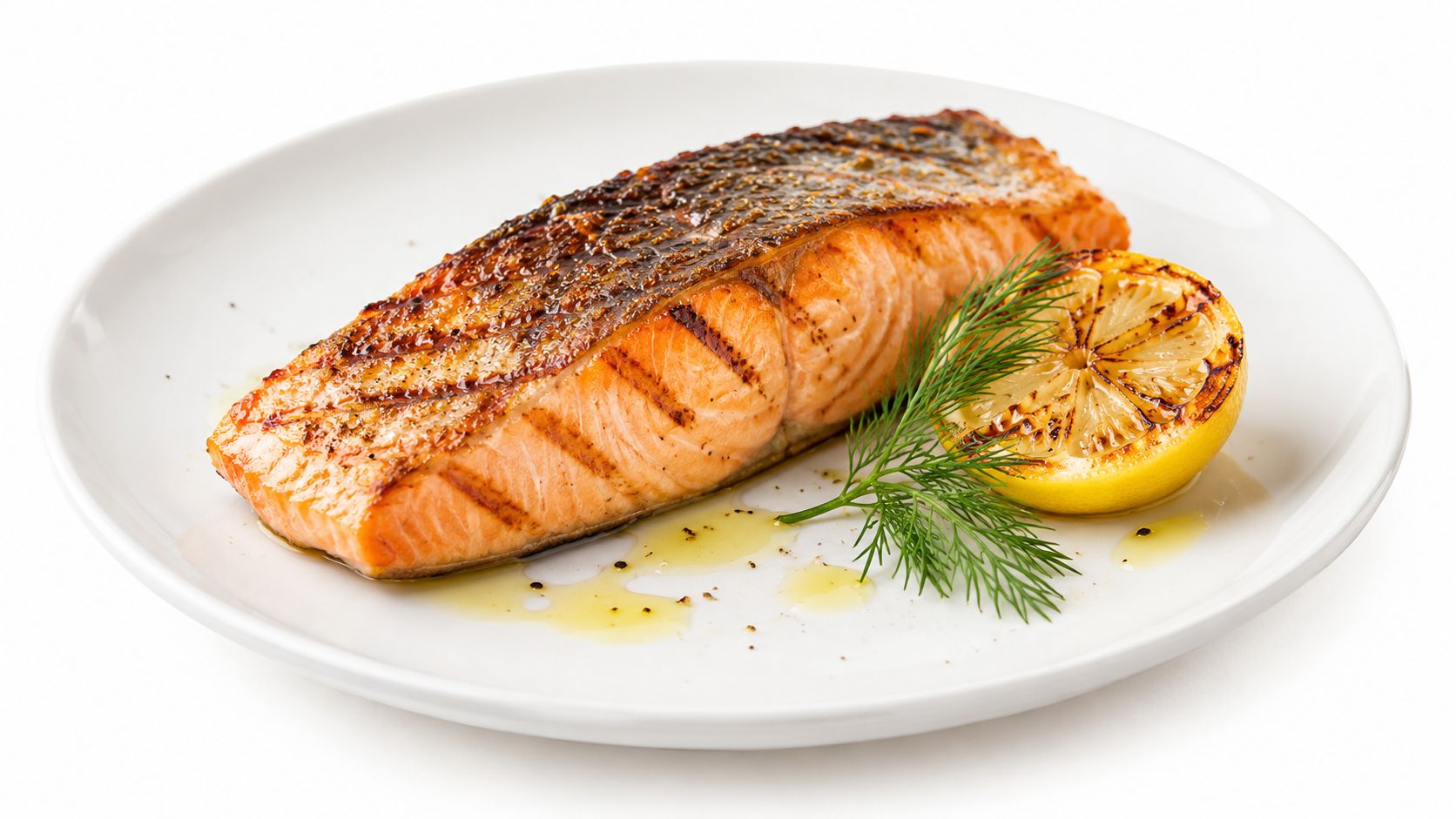
A salmon dinner fits a weeknight when you want a finished plate without a long marinade. Pat the fillets dry, brush them lightly with olive oil, and season with dill, lemon zest, lime zest, black pepper, and a modest amount of salt. For another herb-forward option, use ideas from this basil salmon recipe. Salmon is naturally rich, so a heavy oil coating adds little and can increase flare-ups.
Score the skin with shallow crosshatches for better grate contact, taking care not to cut into the flesh. Heat the grill to medium and clean and oil the grates. Place the fillets skin-side down, then leave them undisturbed for the first 4 minutes. Early movement can tear the skin and leave the fish stuck. Cook for approximately 12 to 15 minutes overall, depending on the fillet thickness and the grill temperature.
Keep the citrus fresh
Add lemon slices and fresh dill during the final couple of minutes. Starting them over high heat can scorch the herbs and dull the citrus. Add a squeeze of lemon just before serving for a sharper finish. If the surface browns before the center is ready, move the salmon to indirect heat and close the lid. Direct heat builds color quickly, while indirect heat gives a thick fillet time to cook without drying its edges.
Check the thickest point with a thermometer. Fish should reach 145°F (63°C), the benchmark identified in USDA grilling guidance. The flesh should separate into moist flakes when tested with a fork, but flaking alone is not a reliable safety check for a thick piece.
Serve the salmon with grilled asparagus and herbed new potatoes. For a bowl, combine flaked salmon with grains, greens, cucumber, and the remaining citrus. Grill extra fillets for salads, pita fillings, or lunch bowls, then chill them promptly. A broad spatula makes transferring the cooked fish easier without breaking the fillet.
Controlled heat also limits excessive charring. The National Cancer Institute's guidance on cooked meats explains that high-temperature cooking can form HCAs, while smoke from fat and juices can create PAHs. Avoid prolonged high heat, turn the fish when needed, and remove heavily charred portions.
3. Grilled Vegetable Skewers with Balsamic Reduction
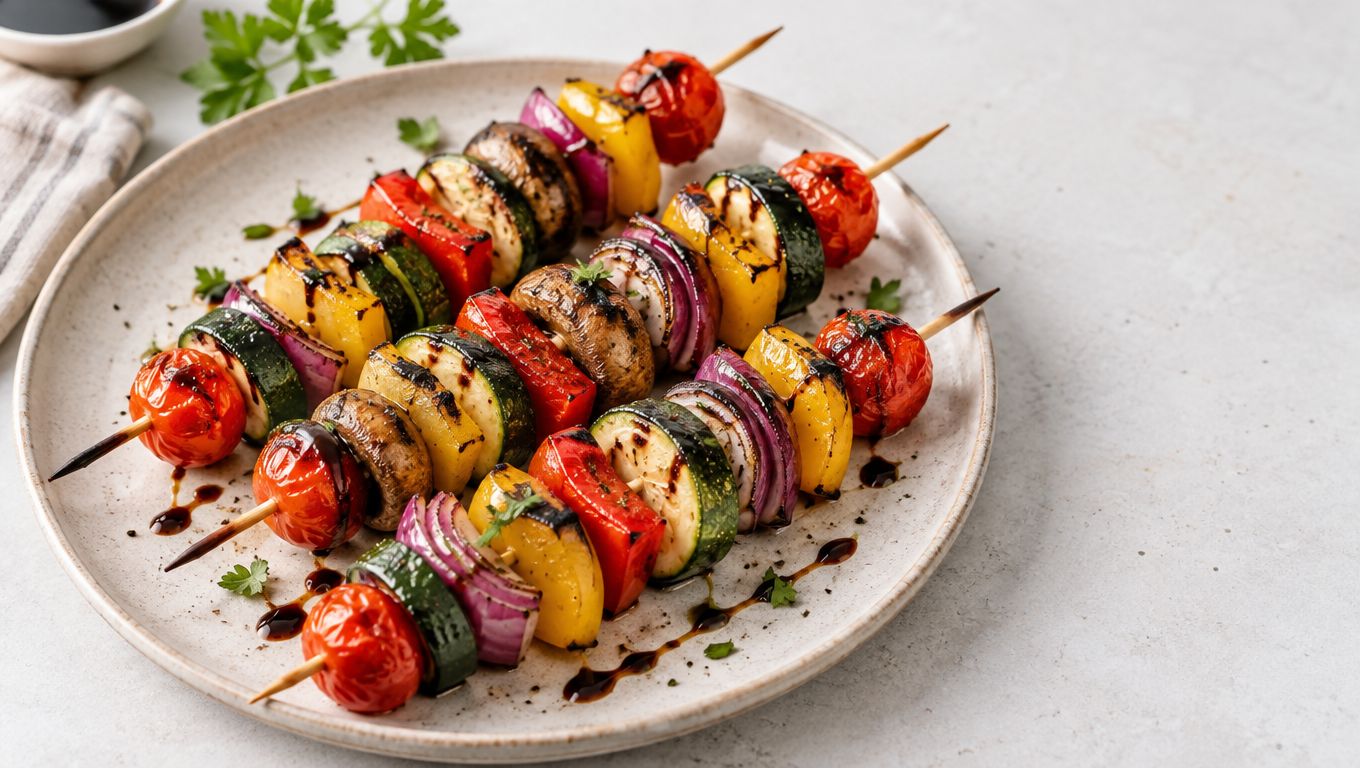
Vegetable skewers can carry dinner when you cut and season them with purpose. Use zucchini, bell peppers, mushrooms, red onion, and cherry tomatoes in similarly sized pieces. They will not soften at precisely the same rate, so place firmer onion and mushroom pieces toward the outside of the skewer, with delicate tomatoes nearer the center. For more plant-forward main-course ideas, browse these vegetable entree recipes.
Soak wooden skewers before grilling, or choose metal skewers to save prep time and reuse them. Toss the vegetables with olive oil, sea salt, black pepper, and dried oregano. For an Asian-style variation, use low-sodium soy sauce, grated ginger, garlic, and a small amount of toasted sesame oil. Keep the coating light so the vegetables brown instead of steaming.
Use medium heat and keep turning
Grill over medium to medium-low heat for about 10 to 12 minutes, rotating the skewers every 3 to 4 minutes. Moderate heat, smaller pieces, and frequent turning improve texture control, as outlined in USDA vegetable-grilling guidance. A very hot fire can blacken the exterior while the onion and mushrooms remain firm.
The vegetables are ready when tender-crisp, lightly browned, and still colorful. If the zucchini softens before the onions, move the skewers to indirect heat and close the lid briefly. A grill basket is the quickest weeknight option when threading feels tedious or small pieces might drop through the grates. It also makes turning mixed vegetables easier.
Prepare the balsamic reduction separately by simmering balsamic vinegar until syrupy. Drizzle it over the cooked skewers, not before grilling, because its sugars can darken quickly. Serve with grilled feta, olives, and whole-grain pita, or add quinoa, farro, or white-bean salad for a more filling plate. Leftover vegetables work well in grain bowls, omelets, or cold pasta salads.
Keep utensils used for raw chicken or shrimp away from these vegetables. Use separate tongs and a clean serving platter. Refrigerate leftovers promptly, and do not leave perishable grilled food at room temperature beyond two hours.
4. Grilled Turkey Burgers with Whole-Grain Buns
Turkey burgers cook best with gentle handling and moderate heat. Combine ground turkey with breadcrumbs, egg, grated onion, Worcestershire sauce, parsley, garlic, and black pepper. Mix only until the ingredients hold together. Overworking the mixture creates dense, springy patties.
Shape each patty slightly wider than the bun, since turkey contracts as it cooks. Press a shallow indentation into the center, then refrigerate the patties while the grill heats. The brief chill helps them stay intact during turning. Whole-grain buns, crisp lettuce, cucumber, and grilled red onion add texture without relying on a heavy cheese layer or sweet sauce.
Medium heat prevents dry centers
Grill the burgers over medium heat for around 5 to 6 minutes per side. Keep the lid closed between turns and resist pressing with a spatula. Pressing releases moisture and can trigger flare-ups, leaving the outside scorched before the center is ready. If the patties brown too quickly, shift them to indirect heat and finish cooking there.
Ground turkey should reach 160°F (71°C), according to the USDA FSIS safe temperature chart. Insert the thermometer from the side into the thickest part of the patty. Color alone cannot confirm doneness.
Build a Mediterranean plate with tzatziki, cucumber, and grilled red onion. For a different flavor, mix cilantro into the patties and serve them with grilled poblano peppers, tomato, and avocado. Leftover burgers can be crumbled into a grain bowl or sliced over greens. Refrigerate them promptly and reheat gently to protect their texture. For more ways to use the same staple, see these easy dinner ideas with ground turkey.
A turkey burger does not need aggressive heat to taste grilled. Moderate heat, a shallow center indentation, and no pressing protect moisture better than extra oil or a sugary glaze.
The practical shortcut is to shape the patties earlier in the day and store them covered in the refrigerator. At dinner, heat the grill, toast the buns, and stir together a quick yogurt-based topping. That setup makes this a dependable weeknight option, especially when you want leftovers for lunch.
5. Grilled Portobello Mushrooms with Garlic and Thyme
Portobello mushrooms can carry a dinner when you build around their texture instead of treating them as a meat imitation. Choose firm caps with smooth surfaces, then wipe them clean with a damp paper towel. Avoid soaking them, because waterlogged mushrooms steam on the grill and struggle to brown.
Remove the stems and gently scrape away excess gills if you prefer a cleaner appearance. Brush both sides with olive oil, then season with mashed roasted garlic, fresh thyme, balsamic vinegar, black pepper, and a small amount of salt. The mushroom absorbs flavor quickly, so it doesn't need a long marinade. If you're preparing roasted garlic separately, soften the cloves in a foil packet while the grill heats and mash them into the seasoning mixture.
Let the caps release their moisture
Place the mushrooms gill-side up over medium heat and cook for about 6 to 8 minutes. Keeping them in one position helps retain their juices and prevents the caps from tearing during an unnecessary flip. You can rotate them once if you want crosshatch marks, but don't keep moving them around.
They're ready when the caps feel tender and release liquid easily. A mushroom won't give you a poultry-style temperature endpoint, so use texture, tenderness, and visible moisture as the practical cues. If the caps soften before the rest of dinner is ready, move them to a cooler zone rather than leaving them over direct heat.
Serve the whole mushrooms over quinoa with fresh greens and a restrained roasted-garlic yogurt sauce. For a faster sandwich, slice the grilled caps and layer them on whole-grain bread with avocado, arugula, and tomato. A white-bean salad or lentil side adds substance without requiring more grill space.
The trade-off is moisture. Oil helps prevent sticking and adds richness, but too much marinade makes the mushrooms slippery and can cause flare-ups. Brush lightly, grill with the lid closed when possible, and add extra sauce after cooking. This approach produces a savory plant-forward dinner without relying on heavy cheese or a thick coating.
6. Grilled Shrimp Skewers with Garlic and Paprika
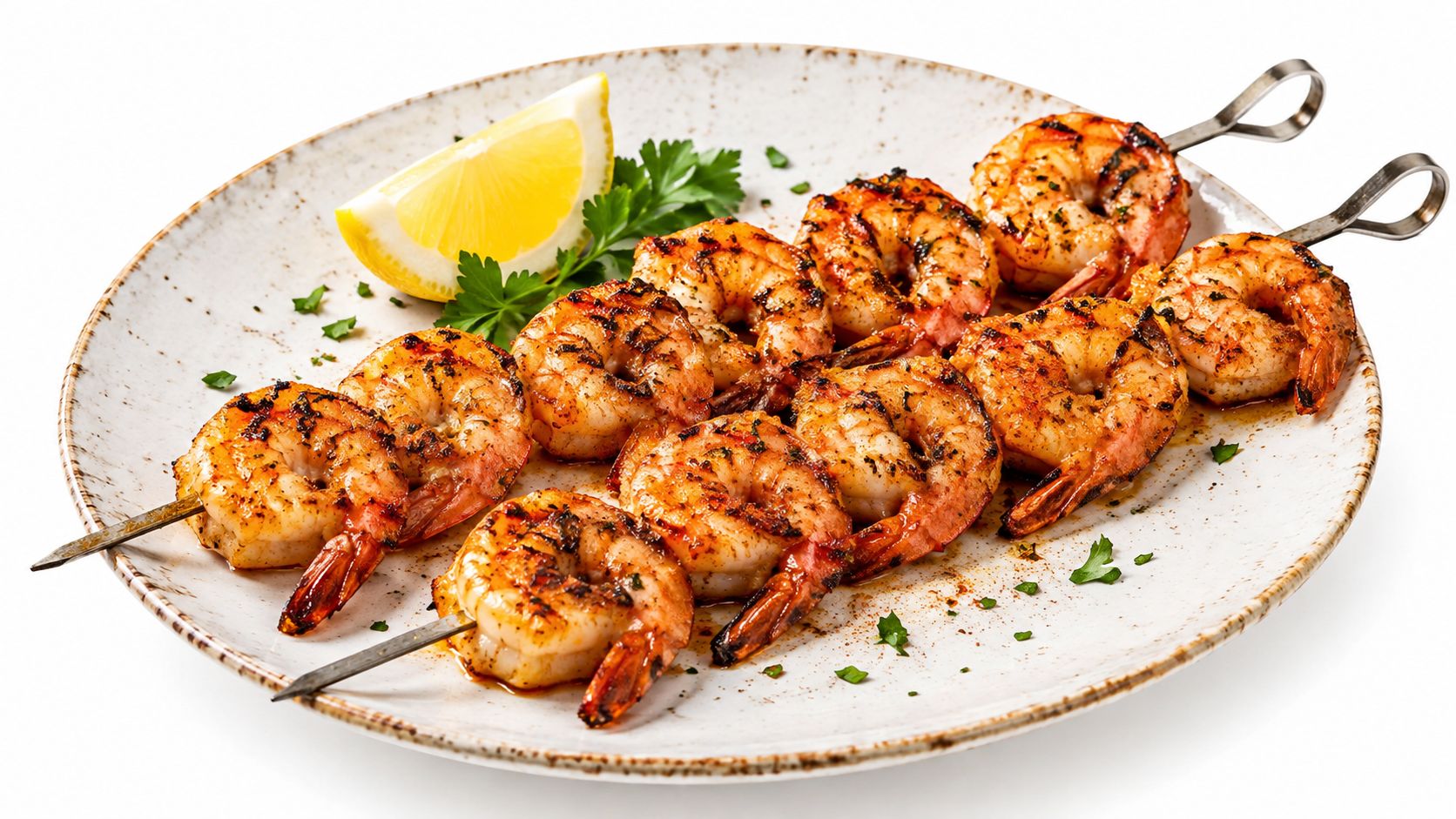
Shrimp suit a dinner that needs to reach the table quickly. Pat large shrimp dry, then toss them with olive oil, minced garlic, smoked paprika, lemon zest, black pepper, and parsley. Dry surfaces brown more cleanly, while paprika adds grilled depth without a long marinade. The trade-off is speed: shrimp cook fast, so have the sides ready before they hit the grill.
Thread each shrimp through the tail and body to keep it from spinning. Metal skewers are easiest to handle, while wooden skewers need soaking first. Leave small gaps between pieces so heat reaches the sides. Crowded shrimp steam instead of browning, and their doneness becomes harder to judge.
Watch the color and texture
Grill over medium-high direct heat for about 2 to 3 minutes per side. Shrimp are ready when opaque, firm, and curled into a relaxed C shape. A tight O shape usually means they have gone too far and may feel rubbery. Check the thickest shrimp with a thermometer and remove them at 145°F (63°C), the seafood benchmark in USDA food-safety guidance.
If the shrimp are ready before the rest of dinner, move the skewers to a cooler grill zone briefly instead of leaving them over direct heat. Add lemon juice after grilling so it does not burn on the grates. Serve with grilled lemon halves, crumbled feta, mixed greens, and cucumber. For a fuller bowl, spoon the shrimp over quinoa with roasted vegetables and tahini dressing. Yogurt mixed with garlic and herbs provides a cool contrast.
The practical shortcut is to mix the spice oil and thread the shrimp before dinner. Keep the covered skewers chilled until the grill is hot, and do not leave raw seafood on the counter while finishing other tasks. Set out a clean plate for the cooked shrimp and use separate tongs for raw and cooked seafood. Chill leftovers promptly and add them to a grain salad the next day.
7. Grilled Chicken Souvlaki with Tzatziki
Chicken souvlaki gives you a complete dinner format in one skewer. Cut boneless chicken into roughly 1½-inch cubes, then marinate it with lemon juice, olive oil, garlic, dried oregano, salt, and pepper. The chicken needs at least 30 minutes in the refrigerator, although a few hours gives the seasoning more time to penetrate.
Keep the pieces close together on the skewer, alternating them with onion and bell pepper. Tight spacing helps the chicken stay juicy, while the vegetables provide gaps that allow browning. If you use a separate marinade for finishing, reserve it before adding raw chicken. Never drizzle raw-chicken marinade over cooked food.
Build the plate while the grill heats
Grill the skewers over medium-high heat, rotating every 2 minutes for approximately 6 to 8 minutes overall. The exact time depends on the size of the cubes and the heat of the grill, so use the thermometer as the final decision. Chicken should reach 165°F (74°C) at the thickest piece. Rest the skewers briefly before sliding the contents onto pita or a bowl.
Make tzatziki in advance with thick yogurt, grated and squeezed cucumber, garlic, dill, lemon juice, and black pepper. Serve the souvlaki with whole-wheat pita, sliced tomato, cucumber, and a simple green salad. For leftovers, remove the chicken from the skewers, chill it, and add it to mixed greens with feta and lemon vinaigrette.
Best weeknight shortcut: Prepare the tzatziki and chop the vegetables earlier in the day. The grill session then becomes a short cooking step rather than a full meal-preparation project.
Souvlaki works on gas, charcoal, or an indoor grill pan, although charcoal can brown the vegetables faster and create more flare-ups if oil drips onto the fire. Use a cooler zone when needed. If the chicken is cooked but the onion remains too firm, finish the vegetables separately rather than overcooking the meat.
8. Grilled White Fish en Papillote with Herbs and Lemon
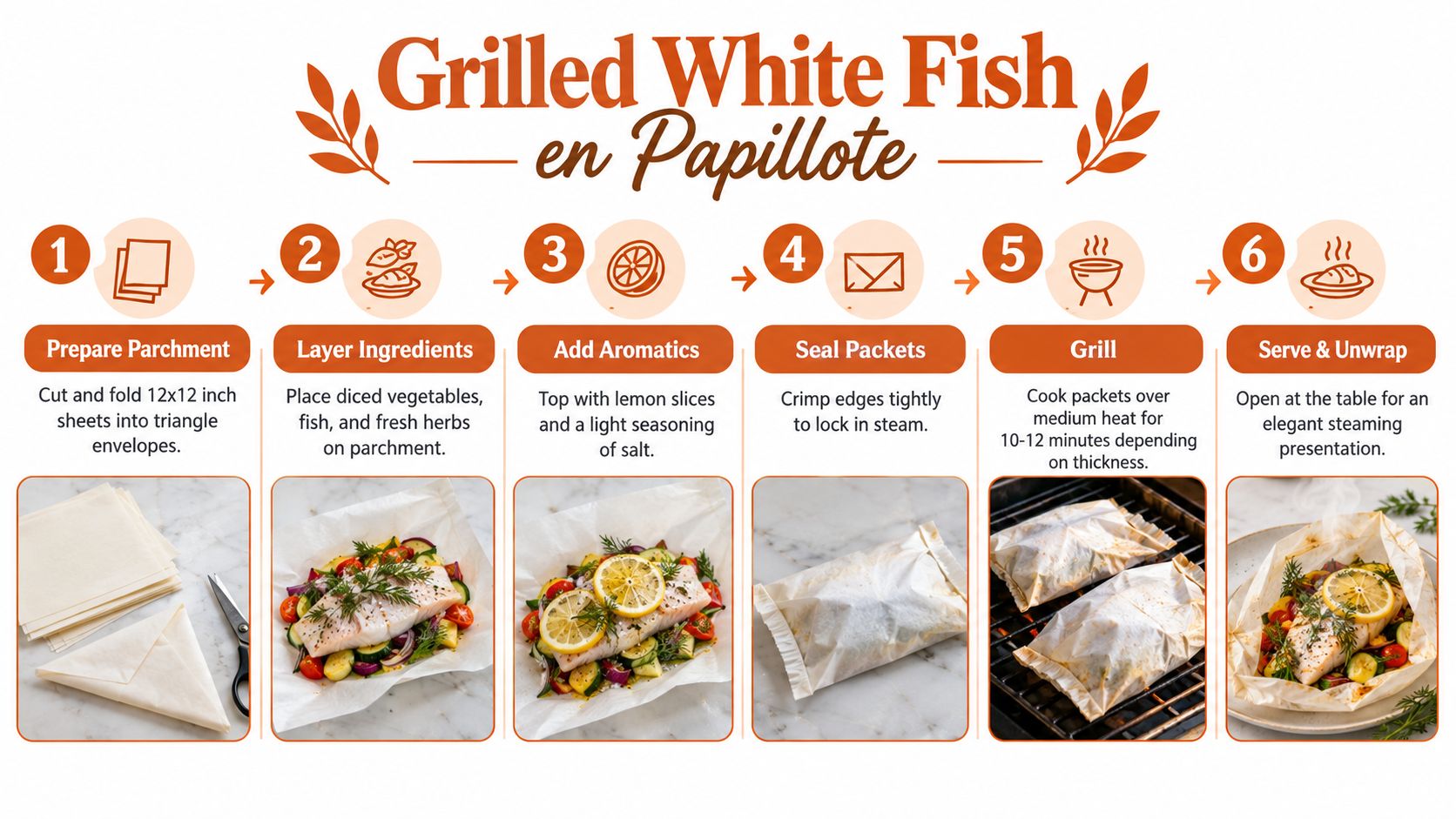
Delicate white fish is a better candidate for a sealed packet than a direct trip to the grates. Branzino and halibut stay moist, release cleanly, and avoid the sticking that can ruin a thin fillet. Place each fillet on a roughly 12-by-12-inch sheet of parchment, then add thinly sliced asparagus, zucchini, or bell pepper, fresh herbs, a lemon slice, and light seasoning.
The packet's trapped moisture protects fish that might break apart over direct heat. Slice the vegetables thinly so they soften during the same cook. For Mediterranean flavor, add cherry tomatoes, Kalamata olives, and oregano. Ginger, scallions, low-sodium soy sauce, and a small amount of sesame oil take the packet in an Asian direction.
Seal the packet without trapping leaks
Fold the parchment diagonally over the fish and crimp the edges tightly, working from one corner to the other. Keep the seam facing upward on the grill. Cook over medium heat for about 10 to 12 minutes, adjusting for the fillet's thickness. A slightly puffed packet shows that steam is circulating inside.
Use tongs to open a packet, keeping your face and hands away from the escaping steam. The fish should flake easily and reach 145°F (63°C) at its thickest point, following USDA guidance for seafood. Season lightly, since the enclosed liquid intensifies both salt and herb flavor.
Serve the fish with brown rice or quinoa and a crisp green salad. Chop the vegetables and assemble the packets ahead of time, then refrigerate them until dinner. This shortcut reduces the grill session to cooking and serving.
Foil can replace parchment, but parchment gives a cleaner presentation and makes it easier to inspect the fish without scraping it from the grate. Use packets when moisture retention matters more than direct grill marks. You give up charred surface flavor, but gain tender fish, concentrated seasoning, and almost no cleanup. Leftover fish can be flaked into a grain bowl or chilled salad.
8 Healthy Grilled Dinner Recipes Compared
| Dish | Implementation complexity | Resource requirements | Expected outcomes | Ideal use cases | Key advantages |
|---|---|---|---|---|---|
| Grilled Mediterranean Chicken with Herb Marinade | Low, simple marinade and basic grilling; short marinate recommended | Gas/charcoal grill, common pantry herbs, meat thermometer optional | Juicy, high-protein chicken in ~30 minutes | Weeknight dinners, meal prep for salads/wraps | Heart-healthy Mediterranean flavors; low-calorie and widely accessible |
| Grilled Salmon with Citrus and Dill | Low, quick cook with skin-on technique; minimal prep | Higher-cost salmon fillets, oil, fresh citrus/dill, well-oiled grate | Moist, omega-3–rich fillet in 12–15 minutes | Fast healthy dinners, date-night presentations | Forgiving fat content; high omega-3 benefits |
| Grilled Vegetable Skewers with Balsamic Reduction | Medium, requires uniform cutting and timing for even cook | Seasonal vegetables, skewers (soak wooden or use metal), balsamic | Colorful, fiber-rich, low-calorie skewers (10–12 min) | Vegetarian mains/sides, budget-friendly entertaining | Plant-forward, adaptable, allergen-friendly |
| Grilled Turkey Burgers with Whole-Grain Buns | Medium, binder technique and gentle handling to avoid dryness | Ground turkey, binder (breadcrumbs/egg), whole-grain buns, grill | Juicy, high-protein burger with lower fat than beef | Family-friendly comfort meals, batch cooking/meal prep | Familiar burger format delivering lean protein and versatility |
| Grilled Portobello Mushrooms with Garlic and Thyme | Low, minimal prep but manage moisture during grilling | Large Portobello caps, olive oil, garlic, fresh thyme | Meaty, umami-rich plant option; very low calories | Vegetarian mains, sandwich fillings, flexitarian meals | Meat-like texture without animal protein; budget-friendly |
| Grilled Shrimp Skewers with Garlic and Paprika | Medium, very fast cook time requiring close attention | Large shrimp (quality matters), skewers, garlic, smoked paprika | Ultra-fast lean-protein dish (4–6 min cook); visually striking | Quick weeknight dinners, entertaining starters | Fastest grilled protein; high protein per calorie |
| Grilled Chicken Souvlaki with Tzatziki | Low–Medium, chunking, marinating and skewering; simple assembly | Chicken chunks, skewers, pita, Greek yogurt for tzatziki | Complete Mediterranean plate in ~30 minutes | Authentic weeknight Mediterranean meals, make-ahead marinades | Balanced meal (protein + veg + carbs) with authentic flavor |
| Grilled White Fish en Papillote with Herbs and Lemon | Medium, packet-folding technique but forgiving on doneness | White fish fillets, parchment, fresh herbs, seasonal vegetables | Moist, nutrient-preserving fillets with elegant presentation | Dinner parties, health-focused cooking, portion control | Nearly impossible to overcook; impressive, low-mess presentation |
Build Your Own Grill-Ready Dinner Plan
Choose the recipe by the constraint that matters most tonight. Shrimp or salmon suit a short cooking window, with shrimp offering the faster turnaround and salmon giving you a more forgiving, substantial fillet. Chicken breasts or turkey burgers make better meal-prep choices because they can be cooked in batches and reused in salads, wraps, pitas, and bowls. Souvlaki and vegetable skewers are useful when you want protein and produce to cook in the same session, although they require more cutting and threading before the grill is lit.
Choose Portobello mushrooms when the plate needs to be plant-forward and savory without relying on a meat substitute. Add quinoa, beans, greens, or whole-grain bread so the mushroom becomes part of a complete dinner rather than a light side. Choose fish en papillote when moisture retention is the priority. The packets sacrifice direct char, but they protect delicate fish and keep cleanup simple.
Heat management determines more than flavor. Direct heat is useful for browning shrimp, skewers, and burgers, while indirect heat gives thick chicken or fish more time to reach a safe center without burning the outside. If fat or marinade causes flare-ups, move the food to a cooler zone instead of waiting for the flames to subside around it. Guidance from the National Cancer Institute supports avoiding prolonged high-temperature cooking, turning meat regularly, and removing blackened portions. Marinades, leaner cuts, smaller pieces, and more vegetables can help you manage the cooking process without promising zero exposure.
Keep the food-safety steps simple and consistent:
- Use a thermometer: Check poultry at 165°F (74°C), ground meat at 160°F (71°C), and whole cuts of meat or seafood at 145°F (63°C), using the appropriate rest time for whole cuts as described by USDA recommendations.
- Separate the workflow: Keep raw chicken, seafood, and their marinades away from cooked food, clean plates, and finished sauces.
- Oil the grates: A thin coating reduces sticking, especially with fish, turkey burgers, and mushrooms.
- Rest grilled meat: Give chicken and burgers a short rest before slicing or serving so the texture stays juicier.
- Chill leftovers promptly: Refrigerate perishable grilled food within the safe outdoor holding window described by USDA summer grilling guidance.
Build the rest of the meal around what the grill is already doing. Add greens and grains to salmon, shrimp, or chicken. Pair skewers with pita and yogurt sauce. Turn leftover turkey into a bowl, or serve sliced Portobello over quinoa with a sharp salad. These combinations make a grilled protein feel like dinner rather than an isolated item on a plate.
If you want more grill-specific ideas after trying these recipes, Fire & Smoke from Just Cook It offers 75 grilling recipes, instant digital access, compatibility across phones, tablets, laptops, and e-readers, and lifetime access to the collection. It fits cooks who want clear, kitchen-tested recipes they can keep available while planning weeknight meals.
For a functional outdoor setup, pair your recipe routine with these practical outdoor kitchen layout ideas for decks. A stable prep surface, a clean landing area for cooked food, and room to separate raw and finished ingredients make the recipes above easier to execute safely.
Just Cook It offers downloadable, kitchen-tested cookbook e-books for everyday meals across Mediterranean, global, healthy, and quick-dinner collections, with clear instructions and device-friendly access. Visit Just Cook It to find more dependable grilling recipes and build a digital collection you can use for weeknight dinners.