Spring produce has a short window, and the best response isn't a complicated recipe that turns the kitchen into another task. It's a small set of methods that get dinner on the table while the vegetables still taste fresh.
These easy spring meals move from almost no effort to a full 30-minute sheet-pan dinner. The first dishes need no cooking. The middle recipes use quick stovetop techniques. The final options ask for more attention but reward it with a complete, satisfying meal. Each one includes a practical seasonal swap and one technique that makes the cooking more dependable.
That focus matches how many people cook now. A global analysis covering more than 140 countries found that people cooked an average of 6.4 meals per week in 2022, compared with 6.7 in 2020–2021 and 6.5 in 2018 (global cooking-practices analysis). Home cooking remains regular, but time matters. These recipes keep the preparation short without treating spring vegetables as decoration.
Table of Contents
- 1. Spring Green Pesto with Seasonal Pasta or Vegetables
- 2. Fresh Spring Salad with Edible Flowers and Goat Cheese
- 3. Spring Lettuce Wrap Appetizers with Herb Filling
- 4. Spring Herb and Ricotta Pasta
- 5. Chilled Spring Pea Soup with Mint
- 6. Spring Vegetable Stir-Fry with Quick Garlic Sauce
- 7. Spring Vegetable Frittata with Fresh Herbs
- 8. Sheet Pan Roasted Spring Vegetables with Lemon Herb Chicken
- 9. Asparagus and Spring Pea Risotto
- 9 Easy Spring Meals Comparison
- Plan Three Spring Dinners for This Week
1. Spring Green Pesto with Seasonal Pasta or Vegetables
Pesto is the fastest way to turn a handful of soft herbs into dinner. Use basil when it's abundant, then stretch it with parsley, arugula, mint, or dill. Add garlic, toasted nuts, grated hard cheese, olive oil, and enough pasta water to make the sauce loose enough to coat.
Pulse the greens, garlic, and nuts rather than running the food processor continuously. Short bursts keep the mixture textured and reduce the risk of turning the herbs into a dull, overworked paste. Toast the nuts lightly first. Almonds, walnuts, sunflower seeds, or pumpkin seeds all work, depending on what you have.
Make the sauce work beyond pasta
Toss the pesto with hot pasta, spoon it over steamed asparagus, or spread it on toast with a fried egg. It also works with roasted potatoes and canned white beans. The trade-off is freshness. Pesto tastes brightest when the herbs stay raw, but raw garlic can dominate if you use too much.
Add the cheese only after the greens and nuts are processed. This helps prevent a gummy texture. Finish with olive oil on the surface if you're holding the pesto briefly, and loosen it with pasta water just before serving.
Practical rule: Keep the pesto slightly looser than you think you need. Hot pasta absorbs moisture quickly.
For a broader Mediterranean direction, Mediterranean Home Kitchen | Digital PDF includes herb-fragrant sauces, vegetable-forward dishes, and everyday recipes from Greece, Italy, Spain, Turkey, and Morocco. Its recipes are provided as a downloadable PDF for reading on a device or printing.
Seasonal swap: Replace basil with spinach and parsley, or use frozen spinach after squeezing it very dry.
Quick-cook technique: Pulse instead of puréeing, then emulsify with pasta water.
2. Fresh Spring Salad with Edible Flowers and Goat Cheese
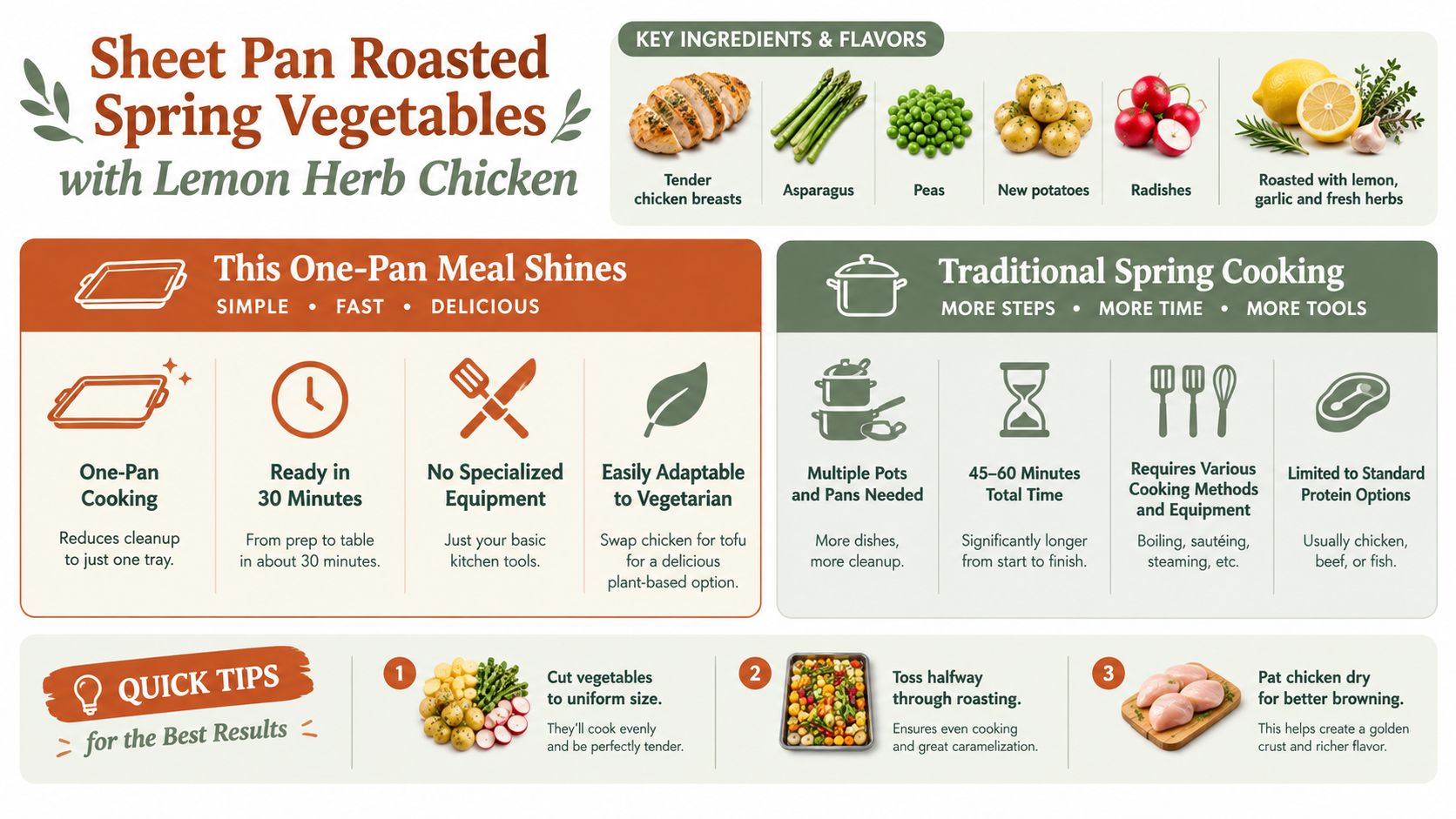
A salad can be dinner when it has enough contrast. Start with mesclun, arugula, or watercress. Add goat cheese for richness, radishes or snap peas for crunch, herbs for aroma, and a lemon-Dijon vinaigrette to keep the whole bowl sharp.
Wash the greens early, then dry them completely. A salad spinner helps, but a clean towel works too. Wet leaves dilute the dressing and make delicate greens collapse quickly. Keep the components separate until everyone is ready to eat.
Use only edible flowers sold for culinary use or grown without pesticides. Pansies, nasturtiums, and chive blossoms add color, but they shouldn't carry the dish. Their floral notes need acid, salt, and creamy cheese for balance.
Build a salad that holds up
For a more substantial plate, add cooked grains, lentils, chickpeas, or sliced boiled eggs. Olives and cucumber push the flavors toward the Mediterranean. A little toasted bread gives the salad a useful crunchy element, but add it at the table so it doesn't soften.
The salad fits the broader appeal of lighter spring cooking, but it has a clear limitation. It won't satisfy everyone if it's only leaves and cheese. Add a protein or a substantial grain when you need a complete evening meal. For more combinations and prep ideas, see these healthy spring meals.
Seasonal swap: Substitute watercress with baby spinach, or replace radishes with thinly sliced fennel.
Quick-cook technique: Shake the vinaigrette in a jar and dress only at the table.
3. Spring Lettuce Wrap Appetizers with Herb Filling
Butter lettuce and Boston lettuce turn a few ingredients into an interactive meal. Separate the leaves, wash them carefully, and dry them before filling. A soft leaf should bend without splitting, but it still needs enough structure to hold a spoonful of ricotta, hummus, chopped vegetables, seeds, and herbs.
Use a filling with two textures. Ricotta or hummus gives you softness. Radishes, shredded carrots, cucumber, toasted seeds, or chopped snap peas supply crunch. Fresh mint, cilantro, dill, parsley, or chives make the wraps taste distinctly springlike without requiring a cooked sauce.
Keep the mixture fairly thick. Wet fillings make the lettuce tear and drip. If you're using ricotta, stir in lemon zest, salt, pepper, and chopped herbs. If you're using hummus, loosen it with a little lemon juice rather than water.
Make wraps a real dinner
Serve the filling with bread, cooked grains, or a can of drained chickpeas if the wraps need more weight. You can also put everything on the table separately and let people assemble their own. That approach keeps the leaves crisp and solves the common problem of soggy wraps.
The trade-off is timing. Lettuce wraps are excellent immediately after assembly, but they don't improve in the refrigerator. Prepare the filling in advance, then wash and fill the leaves just before serving.
Seasonal swap: Replace lettuce with endive leaves, cabbage cups, or blanched chard leaves.
Quick-cook technique: Dry the lettuce thoroughly, then assemble only when the filling is ready.
4. Spring Herb and Ricotta Pasta
This pasta depends on one simple technique, reserved pasta water. Before draining, scoop out a mugful. Mix ricotta with a little of that starchy water, lemon zest, Pecorino Romano, salt, and pepper. The result should be creamy but loose, not a heavy mound sitting at the bottom of the bowl.
Cook the pasta while you chop parsley, chives, dill, or tarragon. Add the herbs after the pan comes off the heat. High heat dulls their color and softens their aroma. Lemon zest provides brightness without making the sauce watery, while a small amount of lemon juice keeps the cheese from tasting flat.
Use the pan's residual heat
Return the drained pasta to the warm pot or skillet. Add the ricotta mixture and toss vigorously, adding pasta water a spoonful at a time. The starch helps the sauce cling. If it turns too loose, toss for another minute over low heat. If it becomes tight, add more water.
This is a good 20-minute dinner, but it isn't a set-and-forget recipe. Ricotta can become grainy if boiled, and herbs lose their lift when cooked too early. The dish works best when you treat the pasta water as an ingredient, not just something left behind in the sink.
Seasonal swap: Stir in blanched peas, chopped asparagus, or tender spinach.
Quick-cook technique: Warm ricotta with pasta water off the heat before tossing.
5. Chilled Spring Pea Soup with Mint
Chilled pea soup works when the evening is warm but the peas still taste sweet and green. Blanch fresh peas briefly, then cool them quickly so they keep their color. Blend them with vegetable broth, mint, a little cream if you want a rounder texture, lemon juice, salt, and pepper.
Frozen peas are useful here. They're consistent, available beyond the short fresh season, and can go directly into the pot. A comparison from the University of Georgia found that frozen produce was generally nutritionally equivalent to fresh counterparts, with minerals, fiber, and phenolic compounds largely conserved (University of Georgia frozen and fresh produce comparison). The same source reports that 94% of U.S. households buy frozen fruits or vegetables, and 83% of buyers agree they help prevent food waste.
Blend for texture, not just speed
Blend in batches if your machine is small. Strain the soup through a fine mesh sieve when you want a restaurant-smooth finish, but don't treat that step as mandatory. It removes some texture and creates another bowl to wash. Add the mint after cooking or blending so it stays fresh rather than tasting stewed.
Chill the soup fully before adjusting the consistency. Cold soup often seems thicker, so add more broth only after it has cooled. Serve it with yogurt, olive oil, croutons, or chopped radishes.
For handling fresh peas and preserving their texture, use this guide to cook fresh peas. If you have extra lettuce, an easy lettuce soup for beginners offers another way to use delicate greens.
Seasonal swap: Use frozen peas when fresh peas are expensive or unavailable, and replace mint with dill or parsley.
Quick-cook technique: Blanch, cool, and blend immediately to protect the soup's color.
6. Spring Vegetable Stir-Fry with Quick Garlic Sauce
Stir-fry becomes difficult only when the ingredients aren't ready before the pan gets hot. Slice asparagus, carrots, snow peas, and baby bok choy first. Mix the sauce in a cup with soy sauce, grated garlic, ginger, a little rice vinegar, and chili if you like heat.
Cut vegetables by cooking time. Carrots need smaller pieces than snow peas. Add the carrots first, then asparagus and bok choy stems, then the leafy tops and snow peas. High heat helps the vegetables brown before they soften too far, but a crowded pan will steam everything.
Make the sauce separately
A sauce mixed in advance gives you control. You won't be trying to grate ginger while the vegetables overcook. Add the sauce only after the vegetables have some color, then toss for a short finish. Too much sauce makes the vegetables watery and masks their individual flavors.
Serve the stir-fry over rice or noodles. Add tofu, eggs, chickpeas, or leftover chicken if you need more protein. Frozen broccoli, green beans, spinach, or peas can also work, though they release more water. Add them straight from frozen and let the pan regain heat before pouring in the sauce.
Seasonal swap: Replace asparagus with green beans, broccolini, or frozen broccoli.
Quick-cook technique: Cook in batches or use the largest skillet you have to prevent steaming.
7. Spring Vegetable Frittata with Fresh Herbs
A frittata is one of the most forgiving ways to use a small amount of several vegetables. Sauté onions, asparagus, peas, spinach, or cooked potatoes first. Beat the eggs separately with salt, pepper, grated cheese, and chopped herbs. Pour the eggs over the vegetables only after they're tender.
Keep the stovetop heat low to medium. High heat browns the bottom before the center sets. Let the eggs cook gently until the edges look firm and the middle still moves slightly when you shake the pan.
Finish under the broiler
Transfer the pan under the broiler and watch it closely. The top can go from softly set to dry in a short time. Add feta, goat cheese, or extra Pecorino before broiling, then rest the frittata for about five minutes before slicing.
That rest matters. Cutting immediately can make the center slide out and leave uneven portions. A frittata is also more flexible than it looks. Serve it hot with salad, warm with bread, or at room temperature for a packed lunch.
This approach suits a kitchen where ingredients are unpredictable. Eggs turn leftovers into a meal, but watery vegetables need attention. Squeeze spinach dry, drain peas well, and cook mushrooms until their liquid has evaporated before adding the eggs.
For a fresh allium note, these techniques for cooking with chives pair naturally with the egg base. A crisp salad and a glass from a McLaren Vale Cellars vegetarian-dish pairing guide can round out the meal.
Seasonal swap: Use spring onions instead of yellow onion, or replace asparagus with broccoli, spinach, or leftover roasted vegetables.
Quick-cook technique: Cook the vegetables fully before the eggs go in.
8. Sheet Pan Roasted Spring Vegetables with Lemon Herb Chicken
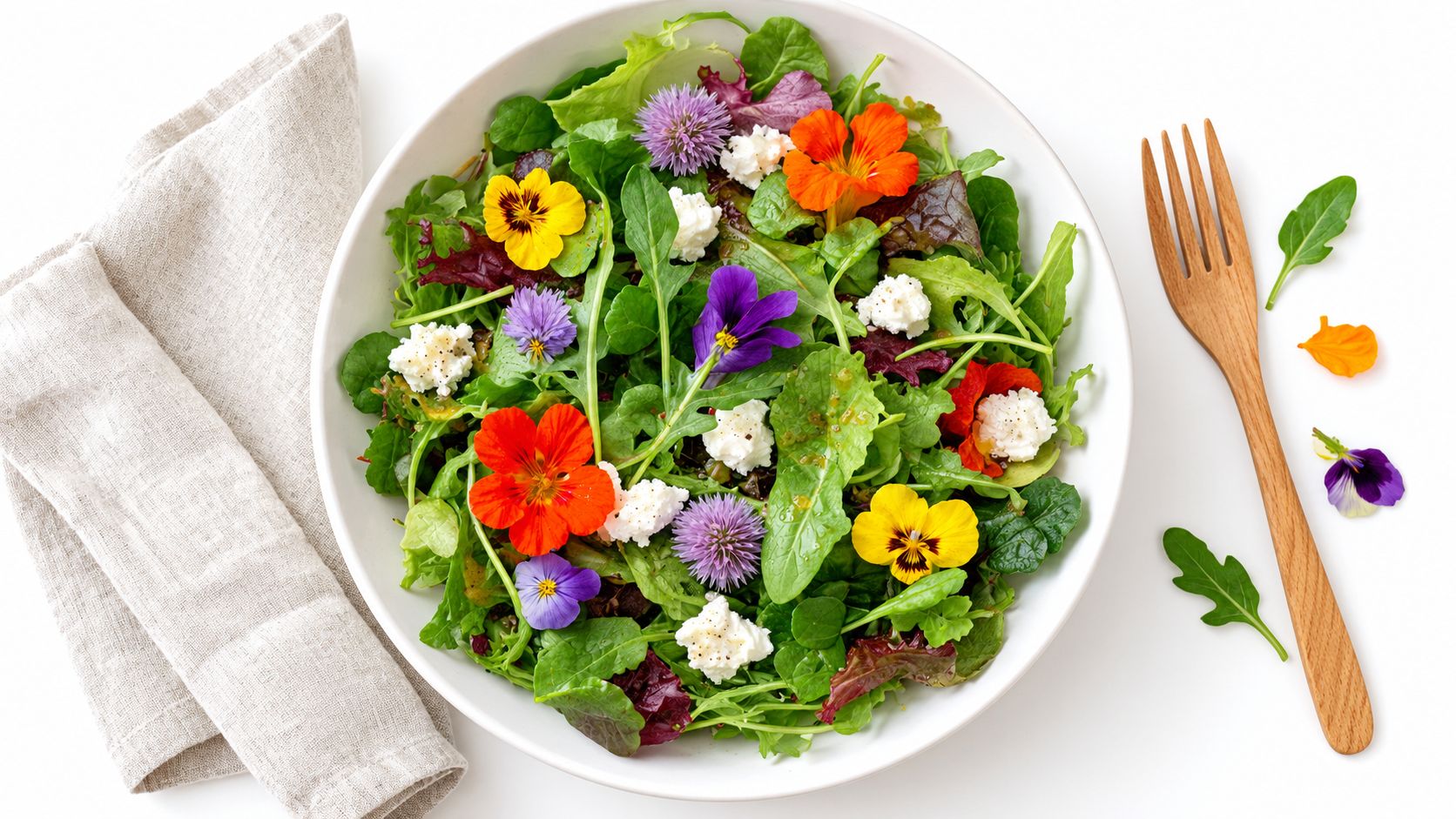
This is the first recipe in the list that earns the label 30-minute dinner, provided the ingredients are prepped before the oven starts. Pat the chicken dry. Cut new potatoes into small, even pieces. Trim asparagus and halve radishes if they're large. Mix olive oil, lemon zest, garlic, oregano, parsley, salt, and pepper.
Spread the potatoes and chicken on a sheet pan first. Add delicate vegetables later so they don't turn soft. A crowded pan traps steam, so use a second pan if everything is packed tightly. The aim is browned chicken and vegetables with tender centers, not a pale tray of boiled ingredients.
The U.S. YouGov convenience-food survey found that 48% of adults prefer to spend less than 30 minutes cooking an evening meal, while 12% prefer not to cook at all and 35% prefer meals requiring more than 30 minutes (YouGov convenience-food survey). A useful working split is five minutes for preparation, 15 to 20 minutes of active cooking, and no more than five minutes for finishing and cleanup. The exact oven time will depend on the cut and thickness of the chicken, so check that it's fully cooked rather than relying on the clock alone.
Stagger the vegetables
Roast the potatoes first. Add the chicken and firmer vegetables, then add asparagus or peas toward the end. Tossing halfway through improves browning, but don't keep opening the oven. Let the chicken rest while you finish the pan with lemon juice and chopped herbs.
For a related roasting technique, see these roasted cherry tomatoes. A citrus herb chicken dish also shows how lemon and herbs can carry a simple chicken dinner.
Seasonal swap: Replace asparagus with broccoli, green beans, or sturdy frozen vegetables, and add tender greens after roasting.
Quick-cook technique: Start dense vegetables before delicate ones instead of roasting everything at once.
9. Asparagus and Spring Pea Risotto
Risotto asks for more active attention than the other dishes, but the technique is straightforward. Warm the vegetable broth in a separate pot. Sauté onion in olive oil or butter, add the rice, and toast it briefly until the grains look glossy. Add broth gradually, stirring after each addition until the liquid is mostly absorbed.
Add asparagus pieces before the rice is fully tender. Save the peas for the final stage so they stay bright and retain some texture. Frozen peas can go in directly near the end. Fresh peas need less time, especially if they're small and sweet.
Finish off the heat
When the rice is tender but still has a slight bite, remove the pan from the heat. Stir in cold butter, Parmesan, lemon zest, and herbs. Rest the risotto briefly with the lid on, then loosen it with a little broth if it has tightened.
The trade-off is obvious. Risotto isn't the right choice when you need to walk away from the stove. It is the right choice when you want a comforting meal built from ordinary ingredients and you're willing to spend the cooking time stirring, tasting, and adjusting.
Serve it in warm bowls. The texture should spread slowly when you tilt the bowl, not sit like a firm scoop.
Risotto rewards small corrections. Taste before the final cheese, then adjust salt, lemon, and broth separately.
For a visual reference, watch this risotto preparation:
Seasonal swap: Replace asparagus with tender broccoli or chopped green beans, and use frozen peas when fresh ones aren't available.
Quick-cook technique: Keep the broth hot so each addition continues cooking the rice instead of cooling the pan.
9 Easy Spring Meals Comparison
| Recipe | Implementation Complexity | Resource Requirements | Expected Outcomes | Ideal Use Cases | Key Advantages |
|---|---|---|---|---|---|
| Spring Green Pesto with Seasonal Pasta or Vegetables | Low, food-processor technique, watch for over-blending | Food processor, fresh herbs, nuts, cheese, olive oil; ~10–20 min | Bright, herb-forward sauce; versatile; short refrigerator life (freezable) | Pasta sauce, veggie dressing, spread, preserve spring herbs | Fast, highly customizable, cost-effective |
| Fresh Spring Salad with Edible Flowers and Goat Cheese | Very low, knife skills and tossing | Knife, bowl, fresh greens, edible flowers, goat cheese; <10 min | Light, crisp, colorful salad; best eaten same day | Quick dinners, starters, photogenic recipe content | No-cook, beginner-friendly, visually striking |
| Spring Lettuce Wrap Appetizers with Herb Filling | Very low, assembly-focused | Minimal tools, tender lettuce, fillings (ricotta/veg/seeds); ~10 min | Fresh, interactive bite-size appetizers; optimal when served immediately | Appetizers, parties, grazing stations | Impressive presentation, adaptable, vegetarian-friendly |
| Spring Herb and Ricotta Pasta | Low–Medium, basic pasta technique, emulsify with pasta water | Pot and pan, ricotta, fresh herbs, pasta, cheese; ~20 min | Creamy, bright pasta with silky texture; best fresh | Weeknight dinners, simple entertaining | Luxurious texture, teaches emulsification, quick |
| Chilled Spring Pea Soup with Mint | Low, blanching and blender technique; strain optional | Blender/processor, peas, broth, mint, optional cream; ~20 min + chill | Silky, vibrant green soup; photogenic; short fridge life | Light lunches, starters, summer entertaining | Scalable, visually appealing, beginner-friendly |
| Spring Vegetable Stir-Fry with Quick Garlic Sauce | Medium, high-heat technique, timing-critical | Wok or large skillet, high heat source, assorted veg, sauce ingredients; 15–20 min | Crisp-tender vegetables with savory sauce; best served immediately | Fast weeknights, flexible protein swaps | Very fast, technique transferable across cuisines |
| Spring Vegetable Frittata with Fresh Herbs | Medium, stovetop to oven with broiler finish | Oven-safe skillet, eggs, vegetables, cheese; 25–30 min | Protein-rich, multi-portion dish; holds short-term for meals | Brunch, lunch, meal prep, entertaining | Forgiving, versatile, works warm or cold |
| Sheet Pan Roasted Spring Vegetables with Lemon Herb Chicken | Low, one-pan roasting, monitor timing | Oven, sheet pan, chicken, seasonal vegetables; ~30 min | Flavorful one-pan meal with minimal cleanup; serves multiple | Busy weeknights, family dinners, meal prep | Minimal cleanup, highly adaptable, visually appealing |
| Asparagus and Spring Pea Risotto | Medium–High, active stirring and timing for al dente | One pot, Arborio/Carnaroli rice, warm broth, wine, cheese; ~30 min active | Creamy, restaurant-quality risotto; best fresh | Special dinners, technique practice, dinner parties | Teaches risotto technique; impressive texture and flavor |
Plan Three Spring Dinners for This Week
Don't shop for all nine meals at once. Pick one no-cook dish, one stovetop recipe, and one oven dinner. That gives you variety without leaving a refrigerator full of half-used ingredients.
Start with the lettuce wraps or flower salad on the night when you're tired and don't want to turn on the stove. Buy one tender lettuce or greens mix, a creamy ingredient such as ricotta, hummus, or goat cheese, and one crunchy vegetable. Keep the dressing separate. If the greens look fragile, use them first rather than hoping they'll last through the week.
Choose the herb and ricotta pasta, stir-fry, or frittata for the middle of the week. These recipes are flexible enough to absorb substitutions. Use asparagus in one dish, then switch to frozen broccoli, spinach, peas, or green beans in the next. That flexibility matters because spring availability and prices vary by crop. USDA market datasets track seasonal acreage, yield, production, prices, imports, exports, and per-capita use for spring crops including asparagus, strawberries, spinach, spring onions, broccoli, carrots, and snap beans (USDA Agricultural Research Service seasonal produce data).
A practical shopping list might include one bunch of asparagus, frozen peas, a bag of greens, herbs, eggs, pasta or rice, a grain or canned beans, chicken if you want the sheet-pan meal, and one cheese. That list supports several methods without forcing you to buy every ingredient in every recipe.
Plan around the ingredients that spoil first
Use delicate herbs and salad greens early. Cook asparagus and spring onions next. Save frozen vegetables, potatoes, grains, pasta, and eggs for the later meals. Keep leftovers useful by changing the format. Extra roasted vegetables can fill lettuce wraps. Leftover frittata can go into a sandwich. Risotto can become a lunch bowl with fresh herbs and lemon.
Budget also affects what “easy” means. In a recent U.S. survey, 68% of adults avoided buying a food they usually purchase because the price was too high, and 67% said rising prices made healthy food harder to buy (HelloFresh State of Home Cooking report). Don't build the week around one expensive seasonal ingredient. Use a base method and swap within the same family. Frozen peas can replace fresh peas in pasta, soup, frittata, and risotto. Canned beans can replace a more costly protein in salad or lettuce wraps.
Plan for the actual evening: Count chopping, oven heating, washing, and cleanup. A recipe isn't easy if the cooking time is short but the preparation leaves you exhausted.
If you're cooking for a busy household, make the sheet-pan chicken on the night when cleanup matters most. If you're cooking for one, choose pesto, soup, or frittata because each can change shape at lunch. Just Cook It's Quick Dinners and Healthy Eating collections offer downloadable recipes in the same practical, everyday format, with instructions designed for home kitchens.
Choose the produce that looks best at your store, apply the swaps without apology, and start with the dish that matches your energy. Spring cooking works best when the method serves the week, not when the week has to serve a rigid recipe.
Just Cook It offers downloadable cookbook e-books for everyday home cooking across global cuisines, including quick dinners and healthy eating collections. Browse the recipes for kitchen-tested methods, clear steps, and spring meals you can read on your phone, tablet, laptop, or e-reader.